

daohang fenxiangbox searchbox qikanlogonew daohangnew searchboxnew navrightzone footerzone zhuantixiangqing
Share

    Scan to share on WeChat or Moments

Use WeChat scan.
Share with WeChat friends or Moments

Advanced Copper-based Materials

Copper is a critical foundational material underpinning the high-end manufacturing, new energy and electronic information industries. High performance, functional compositing and green development represent the key current development directions. This special topic curates more than ten representati
1 Journals
10 Articles
0 Downloads
0 Citations

Electroless Copper Deposition Performance for Printed Circuit Board with Magnetic Field

Chinese Journal of Rare Metals | Vol., Issue 12, 2025 | pp. 1837-1846
Printed circuit boards (PCBs), serving as critical carriers for electrical interconnections among numerous electronic components, are widely employed in computers, communications, aerospace, and medical applications. Electroless copper deposition is a key step in PCB manufacturing, involving the chemical deposition of a thin copper layer (2~3 μm) on the insulating via walls to establish conductive interconnections between different circuit layers or copper foils. The quality of this deposited copper layer directly determines the electrical connectivity performance of PCB. However, due to limitations in production equipment capabilities or outdated electroless copper plating technology, defects such as copper voids on via walls, rough copper surfaces, uneven copper thickness, microcracks, and poor copper adhesion may occur. During soldering or normal operational life cycles, PCBs are subjected to high-temperature reflow soldering or repeated thermal cycling, imposing stringent requirements on the uniformity, surface roughness, adhesion strength, and thermal shock resistance of the deposited copper layer. These challenges drive manufacturers to continuously explore methods for achieving stable and reliable electroless copper deposition. Extensive research has been conducted by scholars worldwide to investigate the influence of magnetic fields on the physicochemical properties of materials. It has been well-documented that external magnetic fields can exert directional control over the deposition rate, surface morphology, and crystal growth orientation in chemical deposition processes. In this study, electroless copper plating was conducted on Flame Retardant 4(FR-4) substrates under different magnetic fields with central intensities of 30 and 60 mT. The copper deposition rate was measured gravimetrically, while scanning electron microscopy (SEM) was employed to analyze the microstructure of deposited copper layers. Cyclic voltammetry (CV) and electrochemical impedance spectroscopy (EIS) were utilized to investigate the effects of magnetic fields on deposition processes at different copper ion concentrations and the resulting corrosion resistance. The results indicated that the copper deposition rate peaked at approximately 2.5 min before stabilizing. During the stable phase, the applied magnetic field increased the deposition rate from 8 to 10 mg·dm−2·min−1, representing a 25% enhancement. The plating tank size significantly influenced the deposition rate during the pre-peak phase, with smaller tanks yielding higher peak rates. Visual and SEM observation revealed that magnetic field-assisted deposition produced brighter, smoother, and more uniform copper layers with improved density. While negligible effects were observed at low copper ion concentrations (<1 g·L−1), significant changes occurred at 2~5 g·L−1 concentrations under magnetic fields:increased cathodic polarization accompanied by negative shifts in deposition potential peaks, with the shift magnitude being concentration-dependent. Specifically, at 60 mT, the reduction peak potential for 5 g·L−1 copper solution shifted from –0.85 to –0.89 V, with current density increasing from 2.11 to 2.34 A·dm−2. EIS analysis confirmed that magnetic field-deposited copper layers exhibited higher charge transfer resistance during electrochemical corrosion, indicating superior corrosion resistance.
DOI: 10.13373/j.cnki.cjrm.XY25040023 Cited: 0 Download: 0

Advances in Copper-Based Catalysts for Hydrogen Production from Ammonia Borane Hydrolysis

Chinese Journal of Rare Metals | Vol., Issue 12, 2025 | pp. 1847-1870
Hydrogen, as a key clean energy source, is essential for global energy transition and carbon neutrality. Nevertheless, challenges associated with its safe and efficient storage and transportation hinder large-scale implementation. Among various hydrogen carriers, ammonia borane (NH3BH3, AB) stands out as a promising candidate due to its exceptional hydrogen storage capacity (19.6%), ambient stability, and mild hydrolysis conditions. While catalytic hydrolysis of AB offers a sustainable route to hydrogen generation under mild conditions, the reliance on costly noble metal catalysts has driven research into cost-effective alternatives. Copper-based catalysts have attracted significant interest as attractive alternatives to noble metal catalysts due to their intrinsic catalytic activity, cost-effectiveness, and earth abundance. This review systematically examined recent advances in copper-based catalysts, focusing on three key aspects:AB hydrolysis mechanism, catalyst synthesis strategies and structure-activity relationships, and AB byproduct recycling and regeneration. AB hydrolysis, fundamentally involving the synergistic activation of B–H and O–H bonds, proceeded via a complex mechanism where water dissociation (O–H bond cleavage) was identified as the rate-determining step. This review comprehensively analyzed various catalyst systems, ranging from copper monometallic catalysts to bimetallic, trimetallic, polymetallic, and copper-based oxides, as well as other types such as borides and phosphides. Early studies demonstrated that support-free Cu nanoparticles (NPs) showed low activity while supported-Cu nanoparticles exhibited an enhanced activity. Among them, reduced graphene oxide-supported Cu NPs (Cu/RGO) showed a highly efficient activity toward AB hydrolysis due to the strong interaction between metal NPs and support. The core-shell structured (e.g., Cu@SiO2) showed a good catalytic activity and superior reusability due to the active site protected by the porous shell. Compared to monometallic systems, Cu-based heterometallic catalysts exhibited significant advantages in catalytic activity and stability, which was due to the synergistic effects between copper and other metals. A series of Cu-based noble and non-noble heterometallic catalysts had been synthesized and applied in AB hydrolysis for hydrogen generation. Noble metal catalysts possessed unique electronic structures and surface properties that enable effective adsorption and activation of AB and water molecules, thereby reducing activation energy and accelerating hydrolysis kinetics. Combining Cu with noble metals could take the advantage of the high activity of noble metals and the cost advantages of Cu. For example, RuCu, PdCu, and PtCu alloys a better catalytic activity than their corresponding monometallic catalysts. Noble metal-containing Cu-based catalysts indicated efficient catalytic performance toward AB hydrolysis reaction, but it was important to search the cheap and efficient noble-metal free catalysts from the perspective of industrial applications. The optimal CuFe, Cu@Co-MOF, and CuNi/g-C3N4 catalyst displayed excellent catalytic performance. Compared to their bimetallic and monometallic counterparts, CuNiCo and CuCoMo trimetallic catalysts displayed superior catalytic activity. Polymetallic catalysts derived from high-entropy alloys offered broad compositional tunability and exceptional stability, making them promising candidates for future research. MnFeCoNiCu high-entropy alloys showed a good structural stability but require further activity optimization. Due to the high oxidation rate of non-precious metal NPs, the direct use of non-precious metal oxides as catalyst of AB hydrolysis had received much attention. For example, CuCo2O4 with oxygen vacancies demonstrated enhanced catalytic activity due to the increased density of active sites and improved electron mobility. The dynamic state of oxides (potential reduction during reaction) and the precise role of vacancies required deeper investigation. Cu-based boride and phosphide catalysts displayed enhanced catalytic performance, however, the intrinsic active sites of these catalysts and their stability under practical conditions needed further clarification. To facilitate the widespread adoption of AB as a liquid-phase hydrogen storage material, there was an urgent need to develop cost-effective recycling technologies to achieve efficient and sustainable AB regeneration from its hydrolysis borate byproducts. Several efficient routes for the regeneration of AB had been established. Copper-based catalysts demonstrated significant potential for efficient and cost-effective hydrogen generation from AB hydrolysis. However, significant challenges remained in advancing hydrogen production via AB hydrolysis, warranting further investigation:1) exploring single-atom or fully-exposed cluster Cu catalysts to maximize metal atom utilization;2) designing high-entropy alloys to enhance both catalytic activity and stability;3) employing in-situ/operando characterization techniques and density functional theory (DFT) calculations to deepen understanding, particularly concerning active site dynamics and the roles of vacancies and oxidized states;4) developing cost-effective and scalable pathways for the regeneration of AB hydrolysis byproducts;5) coupling AB hydrolysis directly with downstream hydrogen applications (e.g., fuel cells, hydrogenation processes);6) applying artificial intelligence (AI) for accelerated catalyst design and system optimization. Overcoming limitations in intrinsic catalyst activity, long-term stability under operational conditions, and system integration complexity was essential for realizing AB as a practical hydrogen carrier to enable portable and distributed clean energy systems.
DOI: 10.13373/j.cnki.cjrm.XY25040004 Cited: 0 Download: 0

Synthesis of Nano Cu-SAPO-34 Zeolite and Its Catalytic Performance of NH3-SCR

Chinese Journal of Rare Metals | Vol., Issue 12, 2025 | pp. 1789-1800
NOx contained in the exhaust gas emitted by motor vehicles not only causes serious harm to the environment but also poses a threat to human health. Given that the current National Ⅵ B emission standards impose increasingly strict limits on NOx, there is an urgent need to develop more efficient selective catalytic reduction of nitrogen oxides with ammonia (NH3-SCR) catalysts. The small crystal grain size of nano-molecular sieves not only endows them with a high specific surface area and rich pore structure, providing more adsorption sites for gases, but also effectively reduces the influence of internal diffusion resistance on the mass transfer rate, thereby enhancing catalytic performance. Among the myriads of molecular sieve catalysts, Cu-SAPO-34 stands out due to its versatility in employing various templating agents and its exceptional high-temperature hydrothermal stability, coupled with superior NH3-SCR catalytic performance. Consequently, it holds promising potential for commercial applications. Meanwhile, compared to other chemical products, the natural mineral attapulgite boasts abundant reserves, low cost, and convenient transportation, making it a viable silicon source for synthesizing molecular sieves. Currently, there is limited research on synthesizing SAPO-34 molecular sieves using attapulgite as the silicon source, which presents a novel direction for exploration. In this work, nano SAPO-34 molecular sieves were successfully synthesized via a dynamic hydrothermal method, employing natural attapulgite as the silicon source, pseudoboehmite as the aluminum source, and phosphoric acid as the phosphorus source. Additionally, triethylamine and tetraethylammonium hydroxide were selected as co-templating agents. Subsequently, a series of Cu-SAPO-34 molecular sieve catalysts was prepared using the impregnation method. In order to delve deeply into the impact of the silicon-to-aluminum ratio (Si/Al) on catalytic performance, we conducted a systematic series of experimental studies. Comprehensive characterization of the catalyst's structure and physicochemical properties was carried out using various techniques, including X-ray diffraction (XRD), scanning electron microscopy (SEM), Brunauer-Emmett-Teller (BET) analysis for specific surface area and pore size distribution, ammonia temperature-programmed desorption (NH3-TPD), hydrogen temperature-programmed reduction (H2-TPR), ultraviolet-visible spectroscopy (UV-Vis), and electron paramagnetic resonance (EPR). The experimental results showed that when Si/Al ratio was between 0.13 and 1, the crystal size of all samples was smaller than 1 μm, and with the increase of Si/Al ratio, the crystallinity of SAPO-34 gradually decreased, accompanied by a reduction in crystal size. Nevertheless, all samples maintained a high specific surface area, with a surface area of more than 600 m2·g-1 and a pore size of about 0.49 nm. The results of NH3-TPD showed that Si/Al ratio had a significant effect on the acid amount of Cu-SAPO-34 zeolite catalyst. Specifically, when Si/Al ratio was either too low or too high, the amount of medium and strong acids decreased;when Si/Al ratio increased from 0.4 to 0.6, the amount of medium and strong acids increased with the increase of Si/Al ratio. When Si/Al ratio exceeded 0.6, the acidic sites decreased due to the increase in the number of silicon islands, and the acid content of medium and strong acids also decreased. Therefore, when Si/Al ratio was 0.6, the medium and strong acid content of Cu-SAPO-34 catalyst reached the maximum value. Further UV-Vis and H₂-TPR analyses showed that copper species in Cu-SAPO-34 molecular sieve catalysts were mainly in the form of CuO, Cu+ and isolated Cu2+. Variations in Si/Al ratio did not exert an influence on the types of copper species. EPR test results showed that at normal temperature, the isolated Cu2+ existed in the six-membered ring of CHA structure only in a set-off way. At the same time, Si/Al ratio also affected the amount of isolated Cu2+ as the active site in Cu-SAPO-34 catalyst. H2-TPR and EPR quantitative analyses showed that the content of isolated Cu2+ was lower in both Si/Al ratios greater than or less than 0.6 than in Si/Al ratios of 0.6, with a trend consistent with the quantity of medium strong acids, which was because isolated Cu2+ was generated by an ion exchange between Cu2+ and the H+ occurrence of the acidic site of Cu-SAPO-34 catalyst, and a higher amount of acid means that more isolated Cu2+ active sites could be formed. In summary, the sample with Si/Al ratio of0.6 exhibited the highest acid content and the most isolated Cu2+, and the catalyst exhibited the best activity in the NH₃-SCR reaction with 99.29% NOx conversion and the widest temperature window of 250~550 ℃. This research result provided a new idea for the development of an efficient NH3-SCR catalyst.
DOI: 10.13373/j.cnki.cjrm.XY25010028 Cited: 0 Download: 0

CuFex/CeO2 Catalysts Prepared by Sol-Gel Method for Low-Temperature Catalytic CO Oxidation

Chinese Journal of Rare Metals | Vol., Issue 12, 2025 | pp. 1801-1813
Carbon monoxide (CO) is a colorless, odorless, and highly toxic gas, primarily produced by vehicle emissions and incomplete fossil fuel combustion. It poses significant environmental risks and binds to hemoglobin in the bloodstream, leading to hypoxia. Catalytic oxidation is an efficient and energy-saving method for CO removal. Noble metal catalysts, such as Pd-based and Pt-based systems, demonstrate excellent activity for CO oxidation, though their high cost hinders large-scale industrial application. Thus, developing non-noble metal catalysts that enable complete CO oxidation at low temperatures is crucial. The sol-gel method, a versatile wet-chemical synthesis technique, allows precise control over catalyst composition and microstructure, ensuring highly uniform dispersion of active components on the support. In this work, a series of trimetallic 5%CuFex/CeO2 (x=0~0.1) catalysts with controlled Fe doping were prepared via sol-gel method to elucidate the promotional effect of Fe on Cu/CeO2 for low-temperature CO oxidation. Comprehensive characterization including X-ray diffraction (XRD), Raman, Brunauer-Emmett-Teller (BET), scanning electron microscopy (SEM), and X-ray photoelectron spectroscopy (XPS) was conducted to probe the catalysts' structural, textural, and electronic properties. H2-temperature-programmed reduction (H2-TPR), O2-temperature-programmed desorption (O2-TPD), and CO-temperature-programmed desorption (CO-TPD) were used to elucidate the redox capacity of the catalyst and the activation of reactant molecules CO and O2.The catalytic evaluation demonstrated that 5%CuFe0.025/CeO2 catalyst showed optimal performance, achieving 100% CO conversion at 70 ℃, which represented a significant 40% improvement in low-temperature activity compared to the Fe-free Cu/CeO2 reference catalyst. Furthermore, the catalyst exhibited excellent stability, maintaining complete CO conversion throughout a 60 h stability test. XRD patterns confirmed the preservation of CeO2 fluorite structure in all catalysts, with no detectable CuOx or FeOx crystalline phases, suggesting the high dispersion of both Cu and Fe species on the catalyst surface. SEM and N2 physisorption analysis revealed that the sol-gel synthesized 5%CuFex/CeO2 catalysts possessed a hierarchical porous architecture. Fe incorporation promoted the formation of an interconnected network-like morphology with uniform pore distribution, increasing the specific surface area, which optimized texture and facilitates mass transport while maximizing active site accessibility, significantly enhancing reaction kinetics. Raman spectroscopy analysis demonstrated that Fe doping modifies metal-oxygen bond lengths, creating additional oxygen vacancies. These defect sites facilitated oxygen activation from ambient air, generating reactive oxygen species for CO oxidation. Supporting evidence from O2-TPD revealed a distinct low-temperature shift in oxygen desorption peaks after Fe incorporation, while XPS analysis of O 1s spectra confirmed the increased abundance of reactive oxygen species-both findings corroborating the enhanced oxygen activation capacity induced by Fe doping. H2-TPR analysis revealed enhanced α-peak hydrogen consumption with increasing Fe loading, indicating improved oxygen mobility. Combined CO-TPD and XPS characterizations demonstrated that optimal Fe doping promotes CuOx dispersion and increases the concentration of active Cu⁺ sites for CO chemisorption. However, excessive Fe loading (x=0.1) led to attenuated CO desorption intensity in TPD profiles, suggesting iron oxide over-deposition may block active sites and reduce CO adsorption capacity. In-situDRIFTS analysis revealed a carbonate-mediated Mars-van Krevelen (MV-K) mechanism for CO oxidation over the catalyst. As the reaction temperature rose, the abundance of Cu⁺-CO species increased, accompanied by enhanced peaks corresponding to carbonate intermediates. This suggested that adsorbed CO reacted with surface-active oxygen species to form carbonate species, which subsequently decomposed into CO2 and desorbed from the catalyst surface. The vacant oxygen sites were then replenished by adsorbed O2 from the gas phase, generating new active oxygen species. These reactive oxygen species reacted with adjacent adsorbed CO to produce additional CO2, completing the catalytic cycle. These results indicated that the catalytic performance of copper-cerium catalysts for complete CO oxidation could be significantly improved by strategically doping trace metal additives, thereby enabling completed CO conversion at lower operating temperatures.
DOI: 10.13373/j.cnki.cjrm.XY25050003 Cited: 0 Download: 0

Colorimetric Sensing Based on Ag2Cu2O3 for Detecting Hydroquinone

Chinese Journal of Rare Metals | Vol., Issue 12, 2025 | pp. 1828-1836
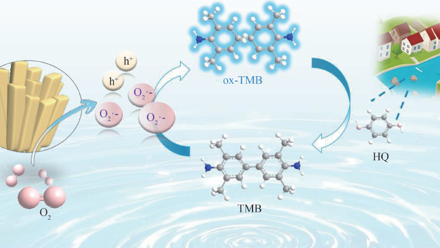
Hydroquinone (HQ), as an important chemical raw material and antioxidant, has been widely used in industrial production such as rubber, dyes cosmetics, antioxidant, and medical procedures. With the development of modern industry, more and more HQ pollutions are released into nature. Due to its high toxicity and persistence in ecosystems, HQ is particularly harmful to human health and environment. There is an urgent need for developing simple and sensitive methods for real-time monitoring of HQ. At present, a lot of efforts have been made to detect HQ, and many sensitive and selective methods have been used, such as mass spectrometry, electrochemical sensing, high-performance liquid chromatography, fluorescence sensing, and so on. However, most of those methods need complicated processes or expensive measurement equipment which limits its applications. Colorimetric sensing with simple preparation, low-cost and good selectivity has been focused. High-performance of transition metal oxides including Co3O4, Fe3O4, CuO, etc had been proved in the detection of heavy ions and pesticides in environment. To our best knowledge, Ag2Cu2O3 as a mimic enzyme is not reported yet for now. Herein, Ag2Cu2O3 nanoparticles were fabricated by a simple method and characterized by X-ray diffraction (XRD), scanning electron microscope (SEM), and X-ray photoelectron spectroscopy (XPS). The measurement results showed that the morphology of Ag2Cu2O3 was nanorods with the length 0.63~1.54 μm of and the diameter of 0.15~0.47 μm. XPS spectrum determined valence states and surface atomic compositions of Ag2Cu2O3. The peaks of O 1s, Cu 2p, and Ag 3d appeared in the spectrum of Ag2Cu2O3. The high-resolution XPS analysis of Cu 2p and Ag 3d showed the binding energy peaks at 374.2 and 368.3 eV were correspond to Ag+ oxidation state, the binding energy peaks at 953.6 and 933.75 eV were correspond to Cu2+ oxidation state. The high-resolution XPS analysis of O 1s showed the binding energy peaks at 529.5, 531.2 and 532.2 eV were respectively correspond to lattice oxygen (OL), surface-adsorbed oxygen (OA), and adsorbed H2O (OH2O). The oxidase-like activity of Ag2Cu2O3 was measured in presence of 3, 3′, 5, 5′-tetra-methylbenzidine (TMB). Different pH values (2~8) and temperatures (5~45 ℃) were used to estimate the influences of pH and temperature on the properties of Ag2Cu2O3 The highest catalytic performance of the nanorods appeared at temperature of 25 ℃ and pH of 5. The catalytic reaction of Ag2Cu2O3 on TMB was explored by adding three trapping agents EDTA (ethylene diamine tetraacetic acid), IPA (isopropanol) and PBQ (1, 4-benzoquinone) to trap h+ (hole), ·OH (hydroxyl radical) and O2·- (superoxide radical) respectively. After adding EDTA and PBQ, the solution absorbance was obviously reduced, proving that lots of h+ and O2·− were generated during the catalytic process. Furthermore, HQ as a kind of reductive molecule could react with blue ox-TMB to form colorless TMB. According to the above abovementioned results, a colorimetric sensing platform with Ag2Cu2O3 for detection of HQ was built. The absorbance and concentration of HQ had a linear relationship between 3~30 μmol·L-1 with the limit of detection 1.67 μmol·L−1 (limit of detection=3s/k, s-standard deviation of instrument response, k-slope of calibration curve). Various ion interferents (Na+, K+, Ca2+, Zn2+, NH4+, Mn2+, Cd2+ and Mg2+) were added into detecting system to explore selective and anti-interference properties of this detecting system. The result showed that the absorption intensity of HQ was the strongest of all, even if the concentration of interferents was 10 times. Detection of HQ in river samples was evaluated by standard addition method. Considerable recovery rate demonstrated enormous potential for this method in detecting HQ in real samples.
DOI: 10.13373/j.cnki.cjrm.XY25040022 Cited: 0 Download: 0

Cu-Based Catalysts on ZnO Hexagonal Nanorods and Performance in CO2Hydrogenation Reaction

Chinese Journal of Rare Metals | Vol., Issue 12, 2025 | pp. 1814-1827
The increasing concentration of atmospheric CO2 and the escalating severity of global warming have made CO2 capture, utilization, and storage (CCUS) technologies crucial solutions for reducing carbon emissions and mitigating climate change. CO2 hydrogenation to methanol represents a crucial pathway for CO2 recycling. Industrially, Cu-based catalysts are widely employed due to their abundant raw materials, low cost, and excellent stability, with CuZnAl catalysts already being utilized in industrial-scale CO/CO2 hydrogenation to methanol processes. However, the introduction of ZrO2 as a promoter, due to its weak alkalinity and weak hydrophilicity, can inhibit the toxic effect of water on the active site during methanol synthesis, playing an important role in CO2 adsorption and methanol selectivity. In this study, ZnO hexagonal nanorods were used as support to load Cu-ZnO-ZrO2. Different catalysts were prepared by regulating the content of the loaded substances in the catalyst, changing the morphology of the ZnO support, and with or without the support, and their CO2 hydrogenation catalytic performance was investigated. The catalysts were characterized by methods such as scanning electron microscopy (SEM), scanning transmission electron microscopy (STEM), energy dispersive X-ray spectroscopy (EDX), X-ray powder diffraction (XRD), hydrogen-programmed temperature reduction (H2-TPR) and X-ray photoelectron spectroscopy (XPS). The morphology, elemental distribution, reducing property and valence state of surface metal elements of the catalysts were analyzed. STEM characterization results showed that 0.33CuZnZr/ZnO-HN and 0.5CuZnZr/ZnO-HN catalysts retained the rod-like structure of the support ZnO hexagonal nanorods in terms of morphology and structure. Due to different loading amounts, there were obvious differences in morphology. 0.5CuZnZr/ZnO-t catalyst retained the granular form of the traditional ZnO support, but the distribution was uneven. The support-free CuZnZr catalyst was composed of randomly piled particles, with smaller particle size and more uniform distribution. XPS spectra showed that Zn species and Zr species existed in the form of ZnO and ZrO2 phases respectively in all catalysts, and Zn atoms migrated to the surface during the reduction process. Compared with other catalysts, the catalyst supported by ZnO hexagonal nanorods could not completely reduce Cu2+ to Cu0 in H2 reduction treatment. H2-TPR test results showed that the reduction peak of the catalyst supported by ZnO hexagonal nanorods was around 270 ℃, which was much higher than that of other catalysts. This might be due to the stronger interaction between Cu and ZnO, making it more difficult for CuO to be reduced to Cu0. It could also be that the loading layer was thicker, significantly reducing the reducing property of the catalyst. The CO2 hydrogenation performance of all catalysts was tested, and the results showed that the supported materials on 0.5CuZnZr/ZnO-HN catalyst were uniformly dispersed, the interaction between Cu and ZnO was stronger, and the selectivity of methanol at high temperatures was higher. Using ZnO hexagonal nanorods as the support might change the reaction path of CO2 hydrogenation to methanol. At 290 ℃, the methanol selectivity of 0.5CuZnZr/ZnO-HN catalyst was 34.9%, significantly higher than that of 0.5CuZnZr/ZnO-t (24.1%) and CuZnZr (25.7%), and its methanol space-time yield was 65.9 mg·gCu−1·h−1.
DOI: 10.13373/j.cnki.cjrm.XY25040017 Cited: 0 Download: 0

Advances in Synthesis,Modification,and Application of Cu-SSZ-39 Molecular Sieves

Chinese Journal of Rare Metals | Vol., Issue 12, 2025 | pp. 1871-1884
Cu-SSZ-39 zeolite catalyst has become a research hotspot due to its unique AEI topology and excellent high-temperature hydrothermal stability. This article systematically explored their synthesis, modification, and catalytic applications, with a focus on summarizing the pathways for constructing Cu-SSZ-39 catalysts using different silicon-aluminum sources. The catalytic performance was enhanced through bimetallic synergistic modification and oxide composite modification, and their effectiveness in selective catalytic reduction (SCR) of nitrogen oxides (NOx) and other catalytic reactions was evaluated. Specifically, in terms of synthesis, SSZ-39 zeolite was initially synthesized using FAU-type zeolite as the primary silicon-aluminum source, resulting in highly crystalline products. Additionally, a solvent-free method was developed, utilizing ultra-stable Y zeolite (USY) zeolite and colloidal silica as silicon-aluminum sources to prepare lamellar SSZ-39 zeolite, significantly improving the acidity and hydrothermal stability of the product. Compared to traditional hydrothermal synthesis, this method offered higher SiO2 utilization and scalability. To reduce preparation costs, synthesis routes using ZSM-5 and Beta zeolites as precursors were explored. The transformation mechanism involved the aggregation of single four-membered and six-membered rings from ZSM-5/Beta zeolites into AEI framework and the resulting SSZ-39 zeolite exhibited comparable crystallinity and catalytic activity to FAU-derived products. Furthermore, silica sol was directly used as the silicon source in alkaline media with N, N-diethyl-2, 6-dimethylpiperidinium (DEDMP) as the template, although this method suffered from low yield and limited Si/Al ratio control. Cu-SSZ-39 catalysts could be prepared through ion exchange and one-pot methods. In the ion exchange process, copper ions (Cu2+) were introduced into SSZ-39 framework by replacing Na+ or H+. The one-pot method combined FAU zeolite with copper-tetraethylenepentamine (Cu-TEPA) complexes, enabling simultaneous zeolite crystallization and copper incorporation. This approach simplified the synthesis process and produces catalysts with higher copper dispersion and SCR activity. In terms of modification strategies for Cu-SSZ-39 catalysts, approaches included bimetallic synergistic modification and metal oxide composite modification. Ce, Mn, and Y were introduced via ion exchange to enhance catalytic performance. Ce-Cu-SSZ-39 catalyst exhibited excellent low-temperature SCR activity (90% NOx conversion at 180℃), attributed to the addition of Ce, which inhibited the aggregation of copper oxides and induced more Cu2+ into ion exchange sites. Yttrium modification (Y-Cu-SSZ-39)suppressed dealumination and stabilized Cu2+ active sites, maintaining 75% NOx conversion even after hydrothermal aging at 900℃. Metal oxide composites, such as Ce-MnOx and CeZrOx, were combined with Cu-SSZ-39 to broaden the active temperature window. Ce-MnOx/Cu-SSZ-39 achieved 90% NOx conversion within the range of 180~600℃, remaining stable even after aging at 850℃, owing to the Ce-Mn synergistic effect and structural stability. CeZrOx/Cu-SSZ-39 extended the operating window to 190~550℃ and retained 80% NH3-SCR activity after hydrothermal aging at 750℃. In terms of the application of Cu-SSZ-39 catalysts, the focus was on their progress in ammonia selective catalytic reduction (NH3-SCR) for NOx removal. Cu-SSZ-39 catalysts achieved ≥90% NOx conversion within the temperature range of 250~500℃. After hydrothermal aging (750~900℃), the catalysts maintained ≥90% activity in the range of 250~450℃. Copper loading and its location significantly influenced the catalytic activity, with Cu2+ located in double six-membered rings (D6R) identified as the active sites. Excessive copper loading (>4%) led to the aggregation of CuOx and a decline in activity. After high-temperature hydrothermal aging, Cu2+ near the double six-membered rings could transform into CuxOy, promoting the formation of key nitrate intermediates during NH3-SCR reaction, thereby maintaining high low-temperature catalytic activity. Despite the progress made, challenges remained in reducing template costs, controlling silicon-to-aluminum ratios, and ensuring long-term stability. Future research should focus on multi-metal co-modification, catalytic mechanism studies, and expansion into photocatalysis and biomass conversion. Cu-SSZ-39 catalysts held significant potential in environmental catalysis and green chemistry, with their tunable properties and robust performance under demanding conditions laying the foundation for broad applications. Additionally, this study provided valuable insights for further exploration and development of small-pore zeolites in the field of catalysis.
DOI: 10.13373/j.cnki.cjrm.XY25030001 Cited: 0 Download: 0

Research Progress on Recycling and High Value Utilization of Copper Slag

Chinese Journal of Rare Metals | Vol., Issue 12, 2025 | pp. 1885-1898
The continuous growth of copper slag waste occupies a large amount of land and erodes soil, resulting in a serious waste of resources and environmental pollution. However, the abundance of valuable metals, silicates and other active components in copper slag makes it a valuable secondary resource. Recycling of copper slag can reduce the contradiction between the supply and demand of copper resources in China and reduce the dependence on primary ores, while at the same time alleviating the environmental hazards of waste and realizing the sustainable use of resources, which is of great economic and environmental significance. Therefore, in-depth study of copper smelting slag recovery and high-value utilization technology has urgency and necessity, how to achieve reasonable recovery and efficient use of copper slag has become a key issue in the field of non-ferrous metal smelting urgently needs to be resolved. This paper discussed the source, yield and nature of copper slag, and analyzes in depth the research progress of metal resource recovery technology (including fire depletion, wet leaching, beneficiation and enrichment technology) and non-metal resource utilization technology (covering building materials, functional catalysis, soil improvement and waste heat recovery). Through the discussion of these technologies, the advantages and disadvantages of various technologies were compared, and the corresponding optimization and improvement directions were proposed. Firstly, for the recovery of metal resources in copper slag, the secondary pollution caused by the reaction and the difficulty of metal separation and purification were the common problems faced by thermal depletion and wet leaching technologies. For the soot and harmful gases, efficient capture and treatment technology could be developed, and for the leaching waste liquid, electrochemical methods for resource utilization could be adopted, and a green closed-loop system could be built for the whole process of pyrolysis and wet process. For metal separation and purification, the selective dissolution of copper could be improved by adding complexing agents to inhibit the leaching of impurity metals, and at the same time, surface modifiers could be used to regulate the interfacial reaction between the copper slag and the acid solution to improve the metal selectivity of the leaching process. Secondly, for the utilization of non-metallic resources in copper slag, the application of building materials could reduce the extraction of natural sand and gravel resources, while reducing the potential threat to the environment of waste slag stockpiling, in line with the concept of sustainable development. However, most of the building materials application scenarios have heavy metal leaching risk, which on the one hand, it should be clarified that the copper smelting slag in the harmful elements of the storage pattern and migration law, through chemical stabilization and physical coating and other technical means of harmful elements for curing treatment;on the other hand, improving the relevant environmental risk assessment system, strict monitoring of the release of hazardous elements in the building materials to ensure that it met the environmental protection and use of safety standards. Again, copper slag had good stability when used for functional catalysis, thus suitable for high-temperature catalytic reaction system. As an industrial waste, it had significant economic benefits compared with precious metal catalysts. However, there was still the problem of uneven distribution of active sites and insufficient surface activity. The surface activity could be improved by nanomorphic modification and surface engineering techniques, such as acid-base treatment and mechanical force chemical treatment. In addition, the surface of copper slag could be precisely modified by atomic layer deposition or plasma treatment to enhance the uniformity and reactivity of active sites. Subsequently, there were limited problems and scenarios that could be addressed by a single type of resourcing technology, and the integration between various recovery and utilization technologies was still in the exploratory stage. Efficient all-in-one combined treatment processes should be developed, such as the recovery of valuable metals, such as metallic copper, through pyrolysis technology, combined with wet leaching for the recovery of rare precious metals, while the treated inorganic residues could be further processed into building materials;or the combination of waste heat recovery with the preparation of microcrystalline glass, which was a high-energy consuming process. Multi-technology linked process design, in the realization of the efficient recovery of metals and heat in the copper slag at the same time could also significantly reduce solid waste emissions and environmental pollution, thus enhancing the overall economic and environmental benefits.
DOI: 10.13373/j.cnki.cjrm.XY25030014 Cited: 0 Download: 0

Hot-Pressing Sintering and Hot-Rolling Strengthening of Small Amount of WC-Reinforced Copper-Based Materials

Chinese Journal of Rare Metals | Vol., Issue 9, 2024 | pp. 1245-1254
Numerous studies had shown that particle dispersion strengthening was an effective means to prepare high-performance copper matrix composites. 1%WC/Cu and 2%WC/Cu composites with uniform dispersion and distribution were prepared by adding a small amount of WC hard ceramic particles to copper powder by mechanical ball milling and combined with the vacuum hot pressing sintering process. The effect of sintering temperature on the microstructure and physical properties of the composites was also investigated. The microstructure observation mainly involved X-ray diffractometer (XRD),field emission scanning electron microscope (SEM) and transmission electron microscope (TEM). The characterization of physical properties mainly included the determination of relative density,Vickers hardness,electrical conductivity,thermal conductivity and tensile strength. The results showed that:on the one hand,SEM image of the composite block demonstrated that WC particles were uniformly dispersed,and the uniformity did not change significantly with the increase of the sintering temperature,and the distribution of WC particles on the copper matrix after sintering still largely depended on the distribution of WC particles on the copper particles after ball milling. On the other hand,the high-resolution TEM image confirmed the existence of WC particles,and XRD patterns signified that the WC/Cu composite was composed of WC phase and Cu phase during the whole process,and the composite phase transition did not occur with the increase of sintering temperature,and the composite material was finally determined to be WC/Cu matrix composite material. Secondly,with the increase of sintering temperature,the relative density,electrical conductivity,thermal conductivity and Vickers hardness of WC/Cu-based sintered block gradually increased. When the sintering temperature increased from 975 to 1050 ℃,the relative density of 1%WC/Cu composite increased from 97.1% to fully dense (100%),and its Vickers hardness increased from HV 63.8 to HV 99.7,and the electrical conductivity increased from 98.3%IACS (International Annealed Copper Standard Resistivity) to 100%IACS,and the thermal conductivity at room temperature increased from 334.1 to 358.6 W·m−1·K−1. The relative density of 2%WC/Cu composite could also increase from 94.3% to fully dense (100%),and its Vickers hardness increased from HV 76.1 to HV 105.7,and its electrical conductivity also increased from 92.2%IACS to 100%IACS,and the thermal conductivity increased from 306.8 to 373.6 W·m−1·K−1. In fact,higher hot-pressing sintering temperature could improve the densification level of composites,and with the increase of the hot-pressing sintering temperature,the change trend of Vickers hardness,electrical conductivity and thermal conductivity of composite block was synchronized with the change trend of relative density to a certain degree,in which the corresponding increase in surface hardness was closely related to the degree of densification,and the degree of densification indirectly affected the change of electrical conductivity,while the change trend of thermal conductivity was almost the same as the change of electrical conductivity. Practically,it conformed to the Weidmann-Franz law that the thermal conductivity and electrical conductivity of metals were linearly proportional at room temperature. In addition,considering the limited strengthening effect of a single sintering process and the good plasticity of the composite block after hot pressing,the composite block at hot-pressing sintering temperature of 1050 ℃ was hot-rolled and composited. Comparing and observing cross-section TEM images of the samples before and after hot rolling,it could be seen that most of the dislocation fringes before hot rolling were distributed on the copper grains,and a few were distributed next to WC particles. Combined with the tensile curve before hot rolling,it could be judged that the sample had a plastic fracture model before hot rolling,which essentially indicated that the dislocation plugging effect under the Orowan strengthening mechanism before hot rolling was not fully exerted,and the tensile strength of the composite material was not fully realized,and the performance was more determined by the strength of the copper matrix itself. After hot rolling,it could be clearly seen that many dislocations surrounded the WC particles to form a plug,which was a typical feature of the Orowan mechanism to strengthen the matrix. Combined with the tensile curve after hot rolling,it could be judged that the sample had a brittle fracture model after hot rolling. This essentially indicated that the dislocation plugging effect under the Orowan strengthening mechanism after hot rolling was fully exerted,and the tensile properties of composites after hot rolling were more determined by the interface strength of the reinforcement/matrix. Therefore,the tensile strength of the final prepared 1%WC/Cu composite sample reached 407 MPa,and Vickers hardness reached HV 126.6,and the electrical conductivity could still maintain 99.1%IACS. The tensile strength of the final prepared 2%WC/Cu composite sample reached 405 MPa,Vickers hardness reached HV 124.1,and the electrical conductivity could still maintain 99.1%IACS.
DOI: 10.13373/j.cnki.cjrm.XY22050001 Cited: 0 Download: 0

Corrosion Fatigue Performance of ZBAl7-7-4-2 Copper Alloy for Ships with Heat Treatment

Chinese Journal of Rare Metals | Vol., Issue 10, 2024 | pp. 1396-1407
In this research,the effects of heat treatment on corrosion fatigue performance of ZBAl7-7-4-2 copper alloy for ships were studied,and the mechanism of the effect of heat treatment on the microstructure of ZBAl7-7-4-2 copper alloy were discussed,which provided an important basis for improving the applications of ZBAl7-7-4-2 copper alloy in marine components such as seawater valves,filters,pumps,impellers and propellers. ZBAl7-7-4-2 copper alloy was heat treated at 900 ℃ in a vacuum heat treatment furnace and then cooled with argon atmosphere after heat treatment. The chemical composition,microstructure and corrosion fatigue fracture morphology of ZBAl7-7-4-2 copper alloy including casting state and heat treatment were analyzed by scanning electron microscope (SEM) and transmission electron microscope (TEM). The corrosion fatigue strength of ZBAl7-7-4-2 copper alloy including casting state and heat treatment were tested by rotating and bending fatigue testing machine,the rotating speed of which was 3000 r·min−1. In the process of fatigue testing,the ambient temperature and relative humidity were 20 ℃ and 48%,respectively,the medium was artificial seawater,and the stress ratio was -1. According to the national standard of “GB/T24176-2009/ISO 12107:2003 Statistical scheme and analysis method of fatigue test data of metal materials”,the corrosion fatigue strength of ZBAl7-7-4-2 copper alloy including casting state and heat treatment were calculated. The corrosion fatigue crack propagation rate was measured on the electro-hydraulic servo material testing machine with the transverse loading method. The sample thickness was 12 mm,the width was 24 mm,and the notch length was 3.55 mm. The results showed that the microstructure of casting ZBAl7-7-4-2 copper alloy was mainly dendritic crystal,which was composed of α phase and κ phase. κ phase was an intermetallic compound,which had a great influence on the properties of the alloy,and could be classified into κⅠ phase,κⅡ phase,κⅢ phase and κⅣ phase according to its shape,size and distribution position. Due to the low Fe content of the alloy,no κⅠ phase was formed,and α phase was the matrix of Cu-based replacement solid solution. κⅡ phase was NiAl phase with the shape of a ball or flower,distributed in the grain. κⅢ phase was distributed at the grain boundary in the form of layer or intermittent ball drop,and was also NiAl phase. κⅣ phase was Fe-rich phase,distributed in the grins with small particles. In the casting ZBAl7-7-4-2 copper alloy,the dislocation density was high and there were a lot of twins. Compared with the casting state,the density of κⅣ phase distribution increased,while the dislocation density decreased and the twin crystal disappeared in the microstructure of ZBAl7-7-4-2 copper alloy after heat treatment. Under the condition of 90% confidence and 10% failure probability,the corrosion fatigue strength of ZBAl7-7-4-2 copper alloy after heat treatment was 132.52 MPa,which increased by 54% compared with the corrosion fatigue strength of the casting state (85.98 MPa). The relationship between fatigue crack growth rate and stress intensity factor range expression (da/dN-ΔK) at the stable crack expansion stage of the casting state was da/dN=1.653×10−11×ΔK5.220 (fitted by Paris formula). da/dN-ΔK expression at the stable crack expansion stage of ZBAl7-7-4-2 copper alloy after heat treatment was da/dN=8.6064×10−12×ΔK5.4405 (fitted by Paris formula). After heat treatment,the corrosion fatigue crack expansion rate of ZBAl7-7-4-2 copper alloys reduced compared to the casting state,which was in relation to the increasing of corrosion fatigue strength after heat treatment. Corrosion fatigue fracture morphology including source of fatigue,expansion area and instantaneous break area were observed. Fatigue cracks occurred at the surface defects of the specimen because the maximum alternating stress was distributed on the surface of the specimen. After initiation,the fatigue cracks continued to expand in a river-like pattern,showing cleavage fracture characteristics and accompanied by cleavage steps. There were parallel fatigue bands with intersecting light and shade in the expansion zone,and obvious dimples could be seen in the instantaneous break area. The distance between fatigue bands of ZBAl7-7-4-2 copper alloy after heat treatment was greater than that of the casting state.
DOI: 10.13373/j.cnki.cjrm.XY24040014 Cited: 0 Download: 0

Collection Info

Type Single Journal
Articles 10
Journals 1
Published 2026-11-06

Source Journals

Chinese Journal of Rare Metals