ContentsFigures & Tables
Metallic materials such as titanium alloys and ductile cast irons are actively utilized in the aerospace, automotive, construction, and heavy machinery industries [1−3]. In many practical applications, these materials are frequently exposed to impact loading, leading to significant plastic deformation. Consequently, the development of robust constitutive models capable of accurately capturing their mechanical response under high-strain-rate conditions is essential for the reliable assessment of structural integrity in engineering applications. However, the mechanical response of metallic materials is highly nonlinear owing to the combined effects of strain rate, plastic deformation, and path dependence, which poses significant challenges for the development of accurate and efficient constitutive models.
Classical phenomenological constitutive models have played a significant role in modeling the viscoplastic response of metallic materials under complex loading conditions. Among these, the Johnson-Cook (JC) constitutive model is widely adopted for evaluating the mechanical behavior of metals under high-strain-rate loading [4]. For instance, Özcan et al. [5] employed the JC constitutive model for modeling the ductile cast irons through a series of experimental tests and numerical analyses. Wang et al. [6] developed a novel theoretical model of the springback prediction of the spiral tube under the Frenet frame based on the JC model and the power hardening model. Cao et al. [7] proposed an extended JC constitutive model for characterizing the impact response between an aeroengine turbine casing and a fractured blade. Although these works have achieved considerable success, their reliance on extensive experimental data for parameter calibration limits the applicability of classical constitutive modeling methods.
Over the past decades, machine learning has achieved remarkable advances, among which artificial neural networks have been widely employed in computational mechanics owing to their strong nonlinear approximation capability [8−10]. Neural networks enable learning of constitutive models without explicitly specifying constitutive equations or identifying material parameters, allowing implicit constitutive relationships to be learned directly from stress and strain data [11−14]. Ghaboussi et al. [15] proposed a neural network framework to predict the mechanical behavior of concrete, which is widely regarded as a pioneering work in data-driven constitutive modeling. In recent years, neural networks have been increasingly employed to predict and model diverse nonlinear constitutive behaviors, including elastoplasticity [16], viscoelasticity [17], and hyperelasticity [18]. Moreover, incorporating physical knowledge like thermodynamic principles into neural networks to enforce the corresponding physical constraints has become an active research topic [19−22]. Notably, Masi et al. [23, 24] proposed thermodynamics-based artificial neural networks (TANN) for constitutive modeling of inelastic materials, and further extended this framework to learn the evolution of internal variables using a continuous time formulation [25]. However, due to their relatively simple architecture and the lack of sequence modeling capability, fully connected neural networks may exhibit instability when applied to constitutive modeling of path-dependent materials.
With the advancement of computational power and the rapid development of deep learning, more sophisticated neural network architectures have been employed for modeling of path-dependent materials, including recurrent neural networks (RNNs) [26−32], transformers [33−36], temporal convolutional networks [37−39], and neural operators [40, 41]. RNNs and their variants have become central in recent constitutive modeling research, as their internal states allow implicit encoding of a material's loading history without explicitly specifying internal state variables or constitutive equations. Bonatti and Mohr [42] developed the Minimal State Cell (MSC) model to describe the large deformation response of solids, and Heidenreich and Mohr [43] subsequently proposed the Extended Minimal State Cell (EMSC) model for modeling rate- and temperature-dependent plasticity. Lourenço et al. [44] integrated RNNs with the virtual fields method to model material behavior without labeled data. These studies demonstrate the advantages of RNNs and their variants in constitutive modeling. However, to the best of the authors’ knowledge, their application to surrogate modeling of the JC constitutive model has not yet been reported.
In this study, we propose a physics-informed recurrent neural network (PIRNN) for surrogate modeling of viscoplastic behavior under high-strain-rate loading. The PIRNN employs a dual-network architecture composed of a primary network and an auxiliary network connected in series. The primary network utilizes a Gated Recurrent Unit (GRU) recurrent structure to capture the path-dependent and rate-dependent characteristics of the viscoplastic constitutive law, encoding sequences of input stresses, strains, strain increments, and time increments into a latent history vector. The auxiliary network subsequently constructs the Helmholtz free energy function based on this latent representation, from which the stress response and dissipation are derived via automatic differentiation. Physical consistency is enforced by incorporating non-negativity penalty terms for both the dissipation energy and the free energy within the loss function. The PIRNN is implemented within the ABAQUS software via a user-defined material subroutine (UMAT), enabling efficient coupling between the neural network constitutive model and finite element simulations. The developed PIRNN framework is systematically validated through multiaxial loading-unloading predictions at the material point level, structural-scale simulations, and experimental measurements. The results consistently demonstrate the high accuracy and robust predictive capability of the PIRNN.
The rest of the manuscript is organized as follows: Section 2 briefly recalls the JC constitutive model and introduces the architecture and computational procedure of the PIRNN, together with its implementation in ABAQUS. Section 3 presents the training process and evaluates the proposed network model through material point loading/unloading tests and experimental validations. Section 4 demonstrates the performance of the PIRNN in structural simulations. The conclusions are presented in Section 5.
This section aims to present the constitutive problem under consideration. In what follows, a brief review of the JC constitutive model is recalled, followed by the development of the PIRNN model and its ABAQUS implementation.
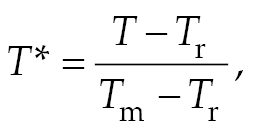
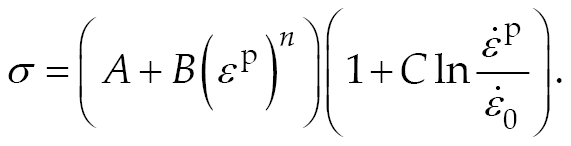
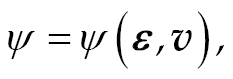
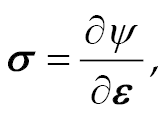
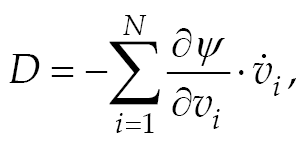
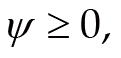
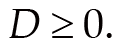
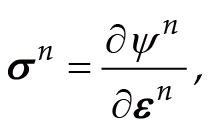
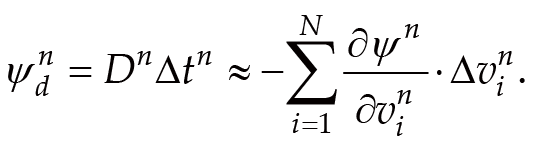
The JC constitutive model incorporates strain hardening, strain-rate effects, and thermal softening, with the flow stress defined as:(1)where σ denotes the effective flow stress, εp is the effective plastic strain, represents the effective plastic strain rate, and is the reference strain rate. Parameters A, B, n, C, and m denote the initial yield stress, strain hardening coefficient, hardening exponent, strain rate sensitivity coefficient, and the thermal softening exponent, respectively. T* is the normalized temperature, which is given as:(2)where T denotes the current temperature, Tr denotes the room temperature, and Tm represents the melting temperature of the material. In this work, temperatures are considered to be uniform, i.e., T* = 0. Equation (1) is therefore simplified as follows:(3)Assume that v=(v1, …, vN) represents an N-dimensional vector of internal state variables, the Helmholtz free energy can be defined as:(4)where ψ is the Helmholtz energy potential, and ε denotes the strain vector. According to thermodynamic principles, the following relation can be derived:(5)(6)in which σ denotes the stress tensor and D is the dissipation rate. Both the Helmholtz energy potential and the dissipation rate are required to be non-negative in accordance with thermodynamic principles:(7)(8)
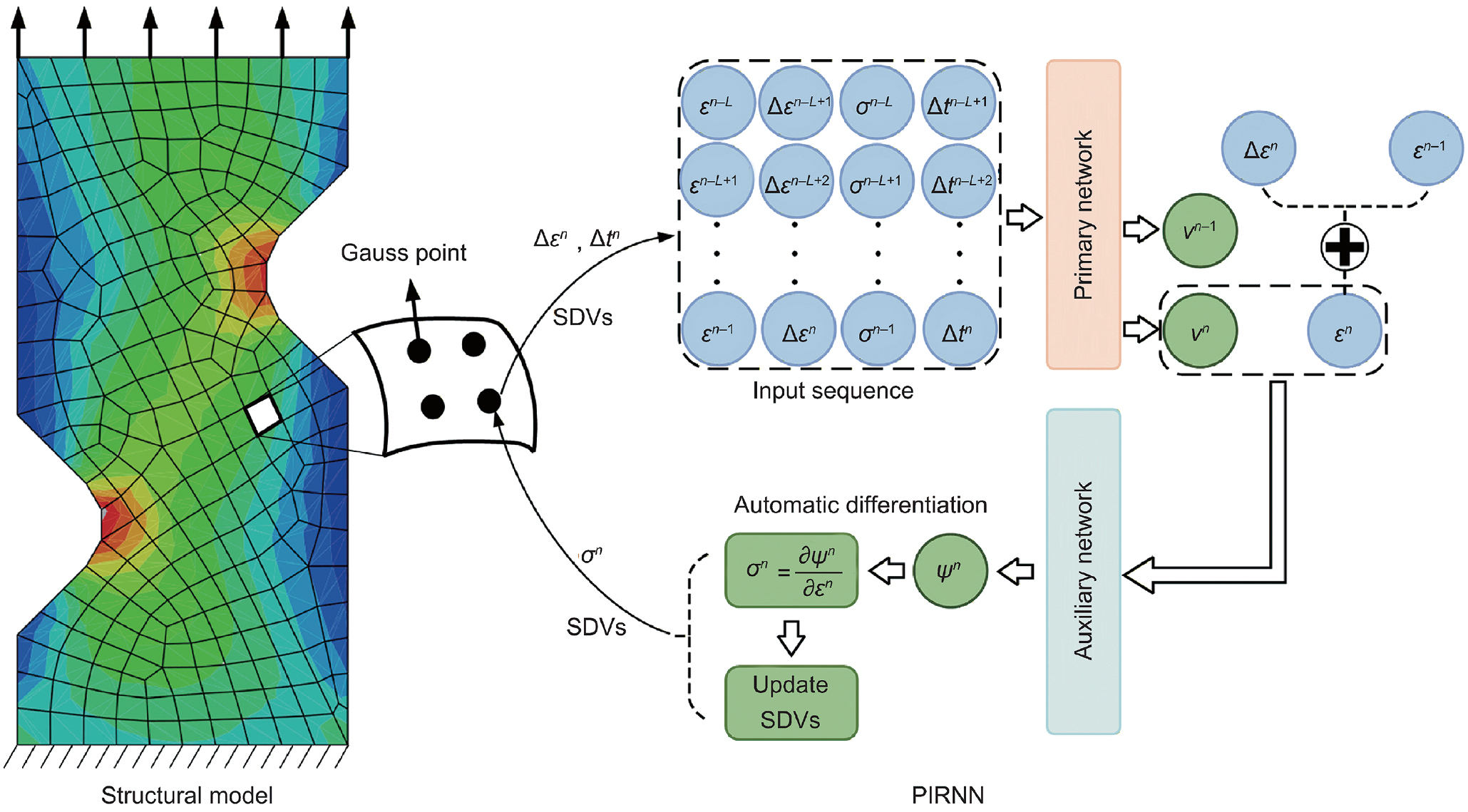
Figure 1A shows the architecture of the PIRNN model, which consists of two neural networks, referred to as and . The primary network, , is a GRU-based RNN with learnable parameters θv, designed to learn the history state vector v from the strain history. The auxiliary network, , is a fully connected neural network with learnable parameters θψ, which is used to compute the Helmholtz free energy of the material. The primary network and the auxiliary network are illustrated in Figure 1B,C, respectively, and the detailed computational procedures are provided in the Appendix. In this framework, the GRU-based primary network encodes the loading history together with time increments, enabling the characterization of path-dependent and rate-dependent responses. Meanwhile, the auxiliary free-energy network, combined with physics-informed loss terms, enhances thermodynamic consistency and facilitates subsequent implementation in ABAQUS for structural simulations.
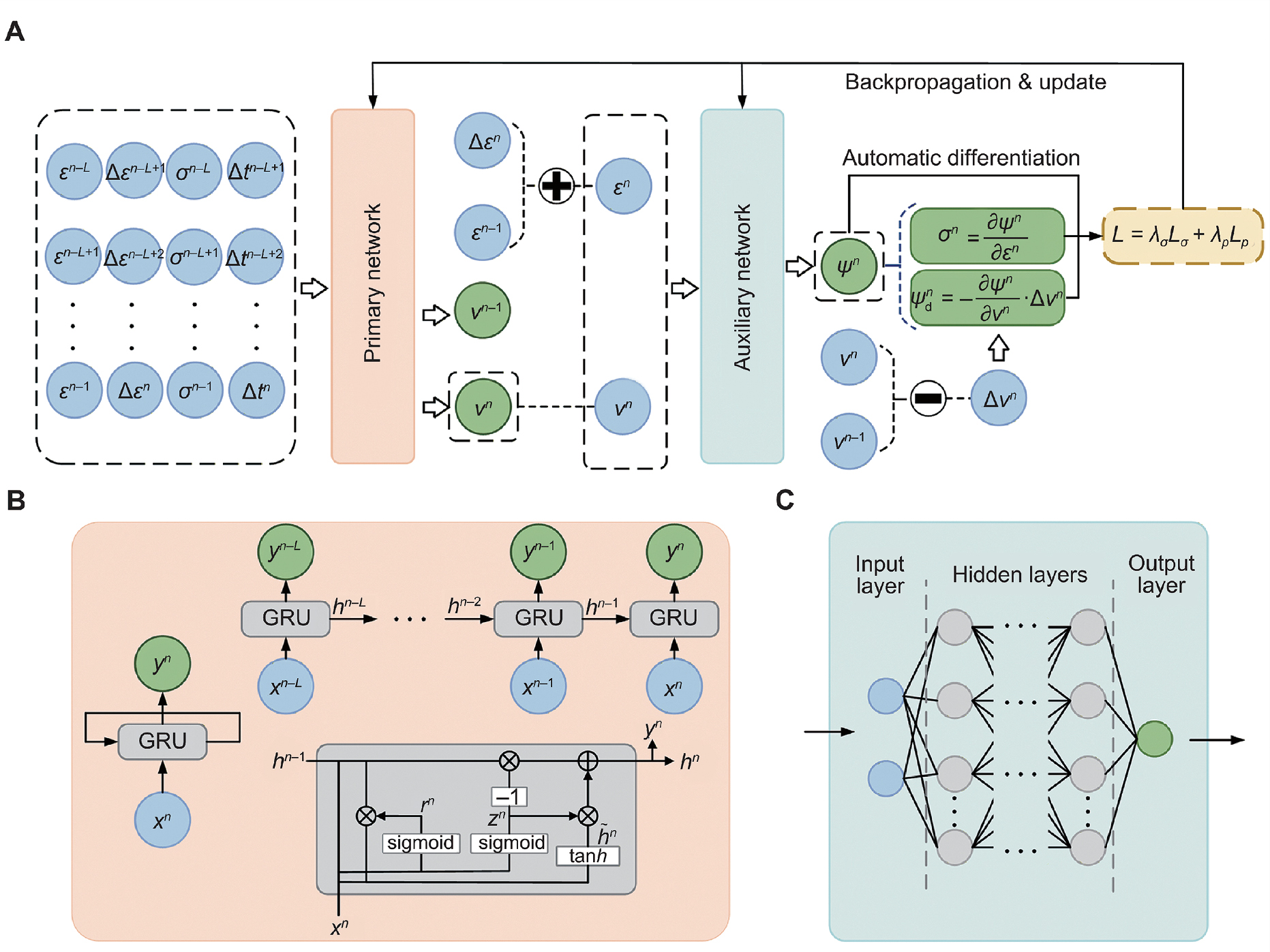
The computational procedure of the PIRNN is described as follows:
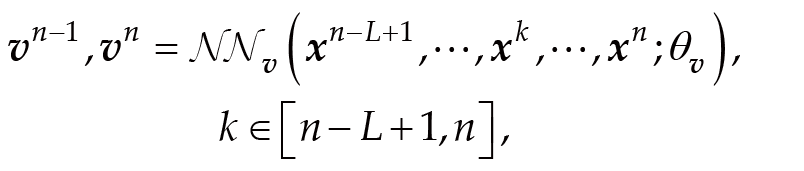
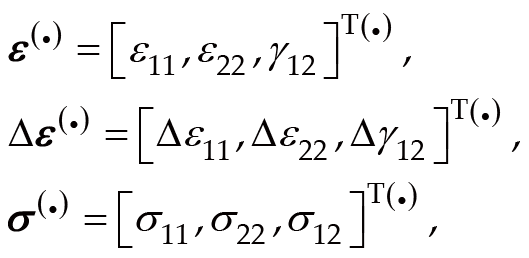
(1) Predicting the history state vector at the (n-1)-th and n-th increments with the primary network:(9)where L is the input sequence length, xk=(εk−1, Δεk, σk−1, Δtk), Δε and Δt are strain increments and time increment, respectively. In this study, the plane stress assumption is considered:(10)where γ12 = 2ε12 and Δγ12 = 2Δε12 denote the engineering shear strain and its increment, respectively.
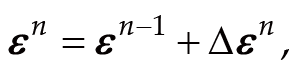
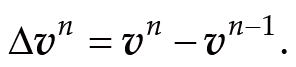
(2) Computing the strain and the history state vector increment at the n-th increment:(11)(12)
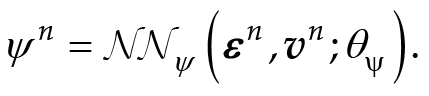
(3) Predicting the Helmholtz free energy with the auxiliary network:(13)
(4) Computing the stress and the dissipated energy via automatic differentiation:(14)(15)
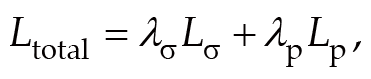
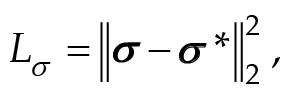
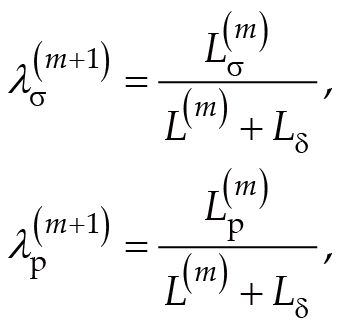
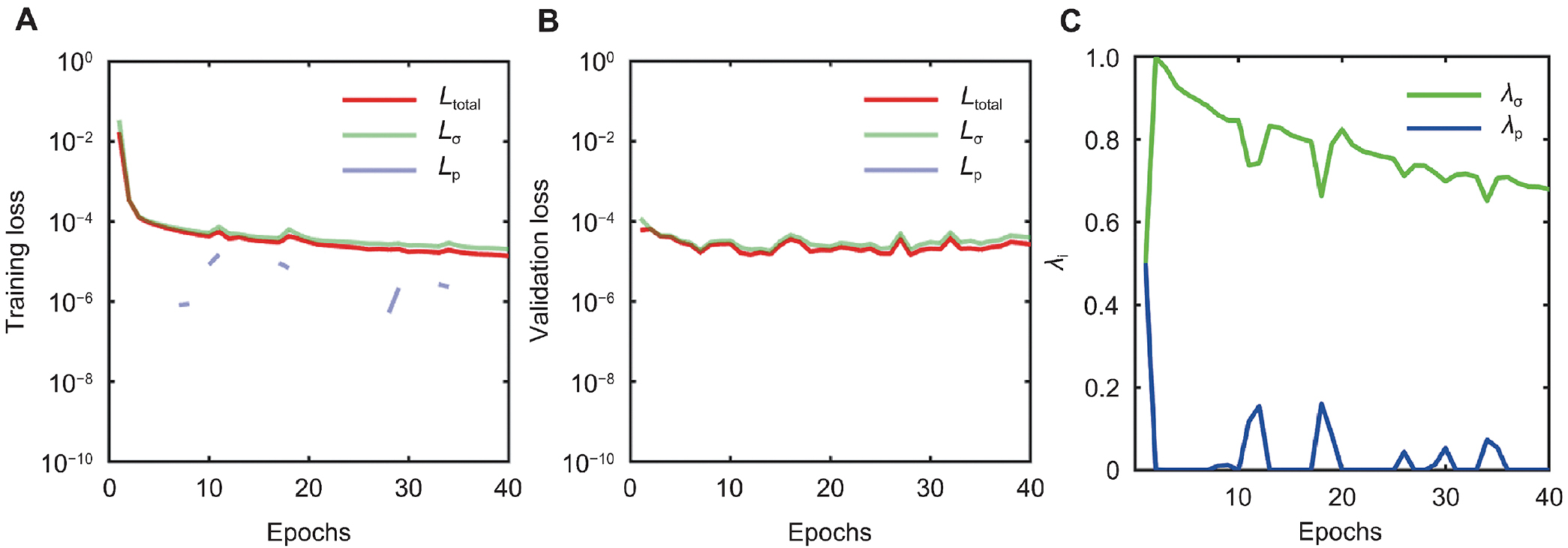
During the training process of the PIRNN, minimizing the error between the predicted and exact stresses and satisfying the physical constraints specified in Equations (7, 8) are performed simultaneously. In this spirit, the loss function is defined as a weighted sum of these two components:(16)where Lσ and Lp are stress loss term and physical loss term, respectively. λσ and λp are corresponding weights of them. Each component in Eq. (16) is thus expressed by:(17)(18)where σ* is exact stress generated by the JC constitutive model. λσ and λp are updated at the (m+1)-th epoch as follows:(19)where Lδ is a positive value to avoid the denominator being zero, and it is set to 10−5 in this study.
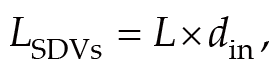
As illustrated in Figure 2, the trained PIRNN model is incorporated as a surrogate constitutive material model into the ABAQUS solver using UMAT, cf. Lourenço et al. [32]. During structural simulations, ABAQUS acts as the macroscopic solver, while the response at each Gauss integration point is evaluated by invoking the trained PIRNN through the UMAT. The state-dependent variables (SDVs) are initialized as a zero vector, with a length consistent with the total number of inputs to the PIRNN model:(20)where LSDVs is the length of the SDVs, L denotes the length of the input sequence, and din is the input dimension. For each increment, the SDVs, together with the current strain increment Δεn and time increment Δtn, are assembled as inputs to the PIRNN to predict the stress, after which the updated SDVs and stress are returned to ABAQUS. This integration with ABAQUS is used to evaluate the performance of the PIRNN for structural simulations.
In this section, the efficacy of the proposed PIRNN model for predicting the viscoplastic response of metals is validated against the conventional JC constitutive model at both the material-point and structural levels.
Synthetic stress-strain data are first generated on a single material point from multiaxial loading with the conventional JC constitutive model implemented in ABAQUS. The constitutive parameters of the JC model employed in this study are listed in Table 1, which were calibrated by Quan et al. [45] based on experimental data reported by Shi et al. [46].
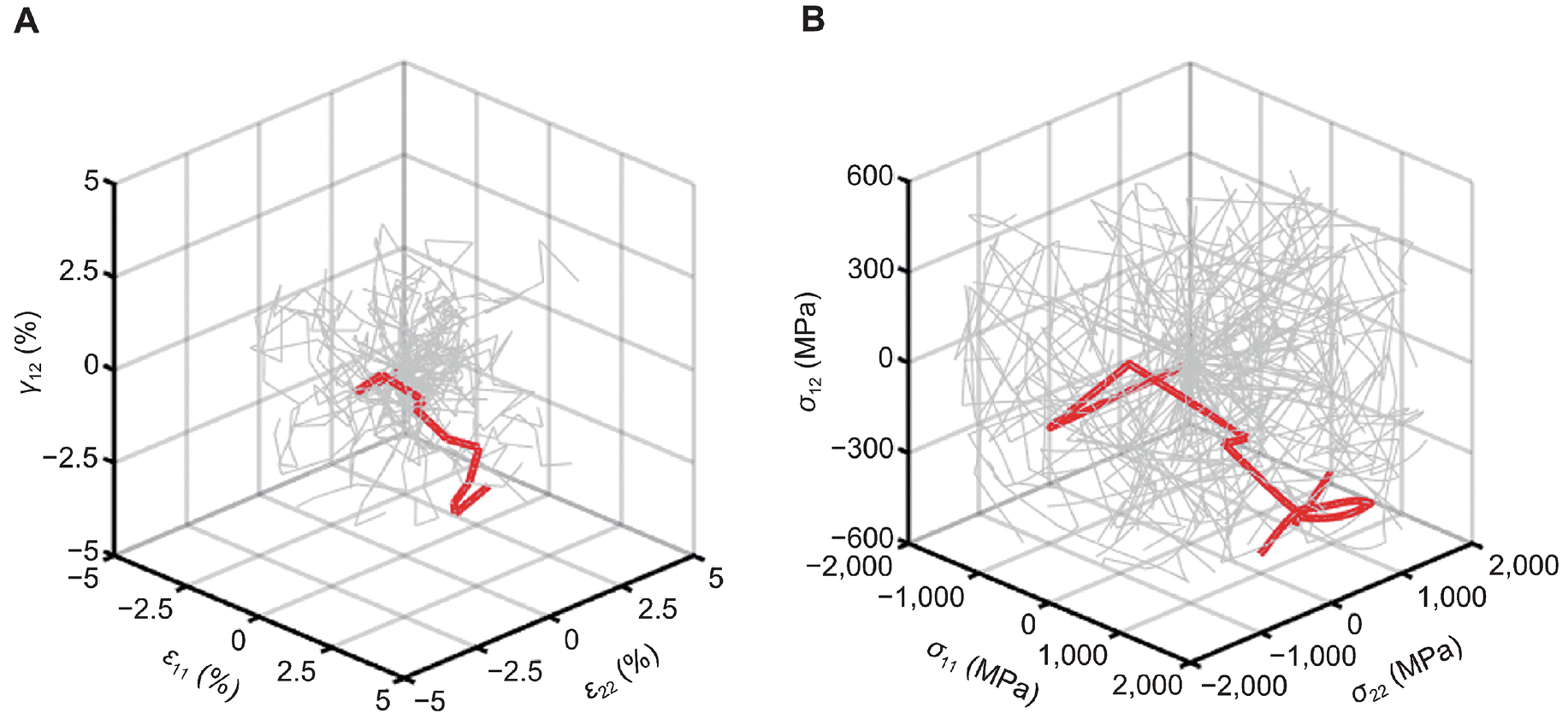
The temperature is fixed at 293 K, and 10,000 random-walk strain paths are prescribed. Each strain path consists of ten multiaxial loading or reverse loading steps with durations ranging from 5×10⁻⁸ to 8×10⁻⁷ s. Each step is further discretized into 20 equal increments. For each time increment, the strain and stress components, together with the time increment, are extracted to construct the training datasets. Figure 3 illustrates the randomly selected 50 strain paths along with their corresponding stress responses, with one path highlighted in red. These strains, strain increments, and stresses are normalized to the range of −1 to 1, which facilitates the training of the PIRNN.
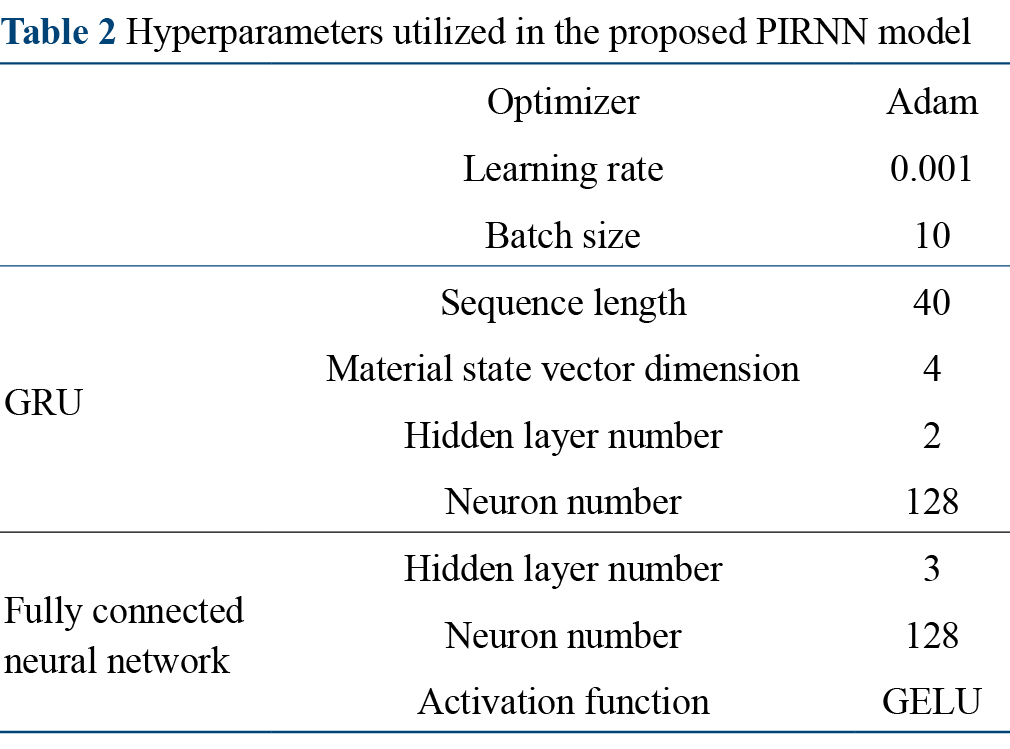
Table 2 summarizes the hyperparameters for the PIRNN model. Stress-strain datasets are divided into three subsets with a ratio of 3:1:1 for training, validation, and testing of the PIRNN model, respectively. Figure 4 presents the training loss, validation loss, and adaptive weights of the PIRNN across training epochs. Within the first 15 epochs, both losses decrease steadily. Subsequently, the validation loss begins to fluctuate and shows an increasing trend after 30 epochs, indicating the onset of overfitting. Therefore, the training is terminated, and the checkpoint corresponding to the minimum validation loss is selected as the optimal weights of the PIRNN.
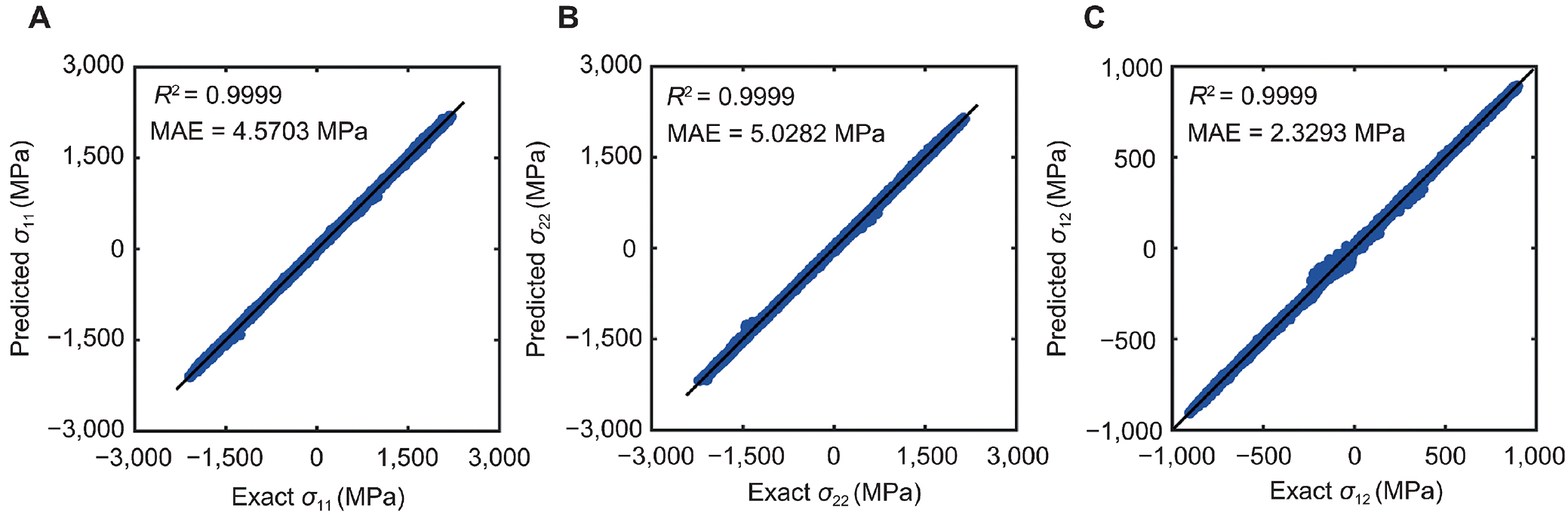
The stress components directly predicted by the trained PIRNN are compared with the exact stress components on the unseen test dataset, as shown in Figure 5. The mean absolute errors (MAE) of the stress components σ11, σ22, and σ12 are 4.57, 5.03, and 2.33 MPa, respectively, while the corresponding coefficients of determination R2 reach 0.9999. All scatter points are distributed closely around the diagonal line. These results demonstrate that the PIRNN achieves high predictive accuracy on the test datasets.
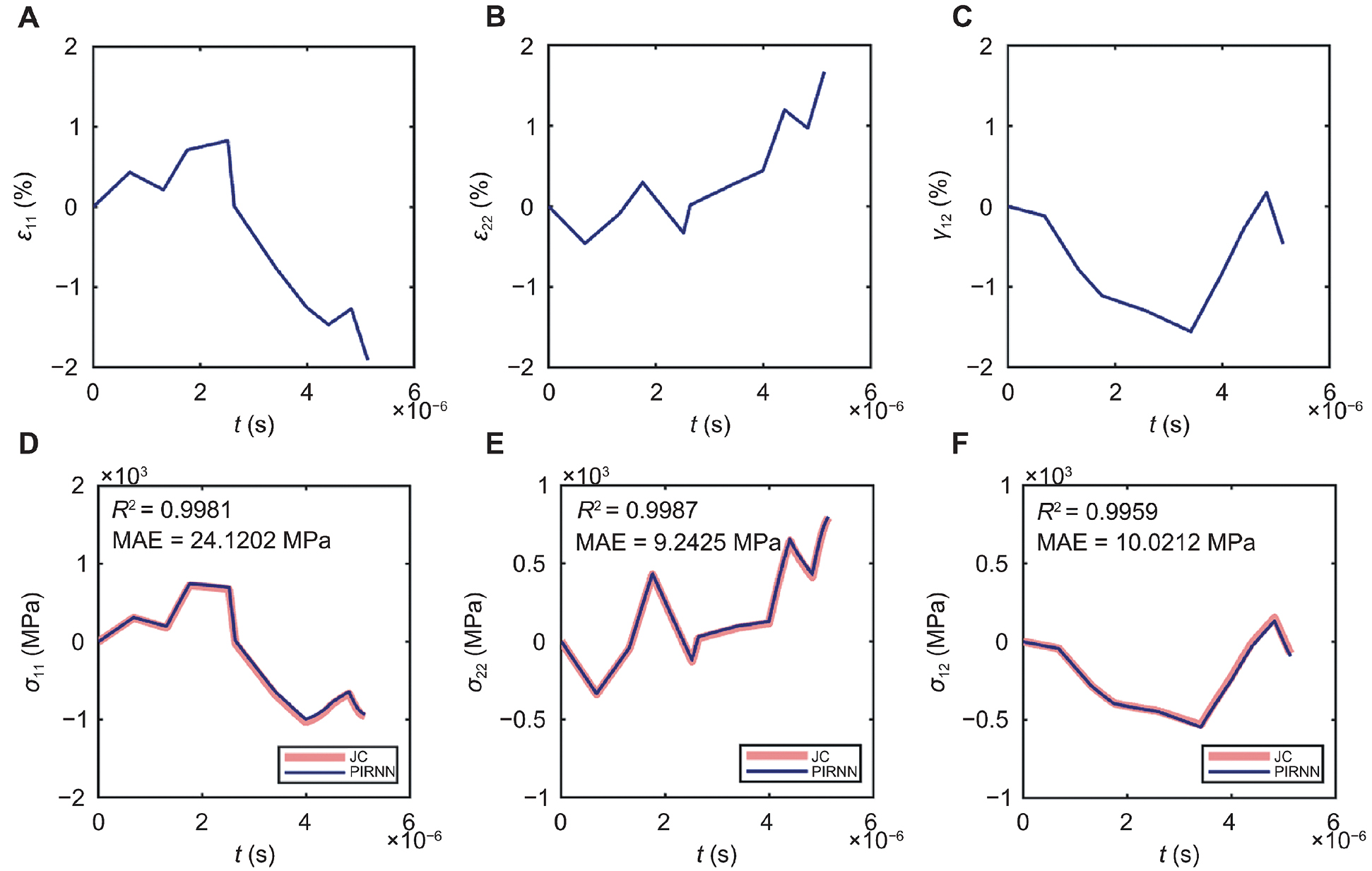
The trained PIRNN model is integrated into ABAQUS following the procedure illustrated in Figure 2. A single material point is then considered along a strain path selected from the test datasets, as shown in Figure 6A−C. The rates of the three strain components ε11, ε22, and γ12 vary at each step. Figure 6D−F compare stress components obtained from the PIRNN and JC constitutive models. The R2 of σ11, σ22, and σ12 are 0.9981, 0.9987, and 0.9959, while the MAE of σ11, σ22, and σ12 are 24.12, 9.24, and 10.02 MPa. This indicates that the PIRNN has successfully captured the rate-dependent and path-dependent behavior of the JC constitutive model.
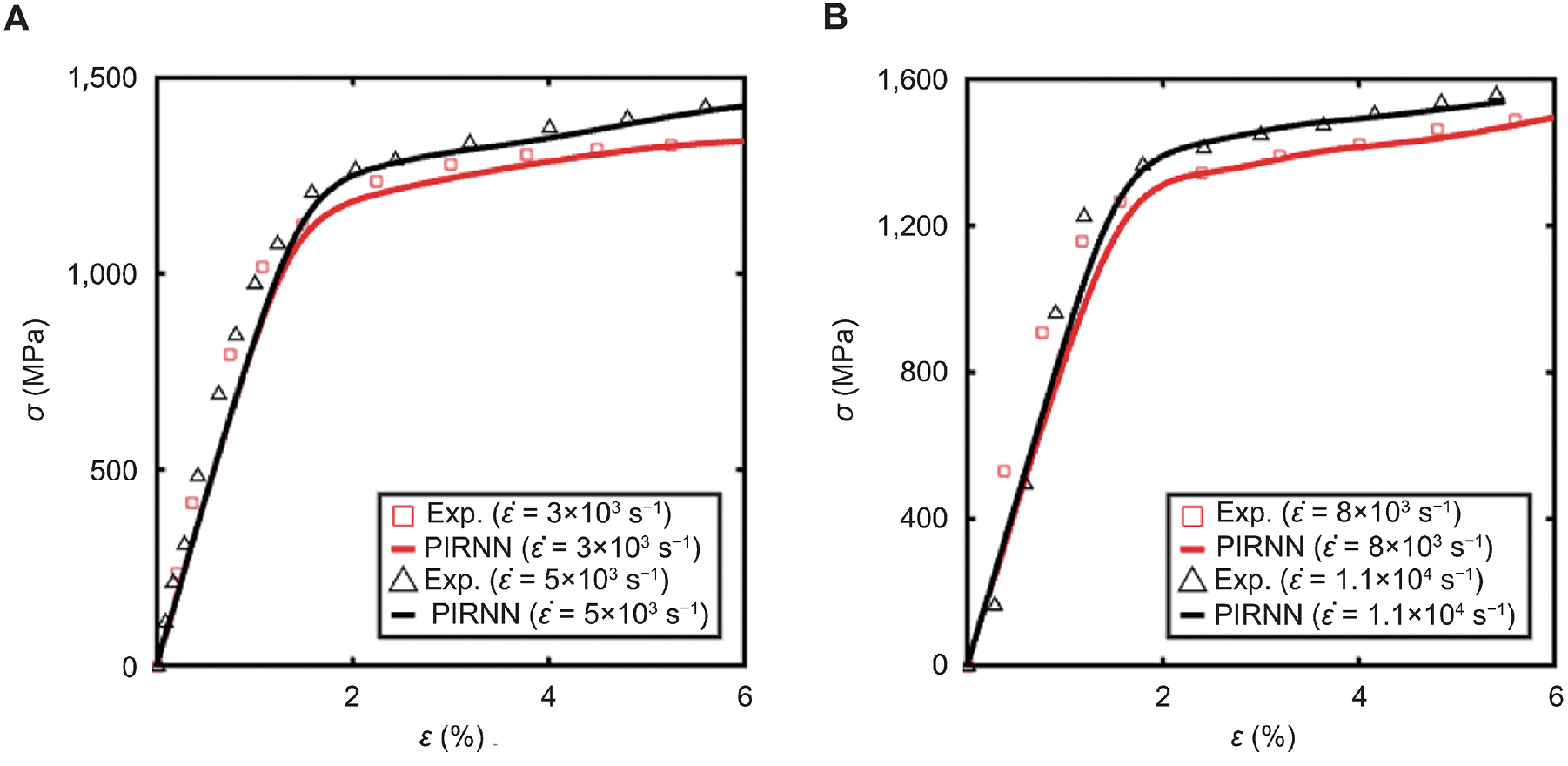
A single-element model is constructed in ABAQUS, where all stress components except σ11 are constrained to 0 to simulate uniaxial tensile loading under four different strain rates, namely, 3×10³, 5×10³, 8×10³ and 1.1×10⁴ s−1. The PIRNN-generated results are compared against the experimental data reported by Shi et al. [46], as shown in Figure 7. We note that the PIRNN predictions are in excellent agreement with the experimental values under all strain-rate conditions.
This section evaluates the performance of the PIRNN in structural simulations. Figure 8 illustrates the geometry and boundary conditions for the Meuwissen structure and the L-shaped perforated structure considered in this manuscript. For the Meuwissen structure, the bottom surface is entirely fixed, and a vertical displacement of u2 = 1 mm is applied at the top surface over a duration of 4×10⁻⁶ s. In contrast, for the L-shaped perforated structure, a horizontal displacement load of u1 = −2 mm is applied at the left surface over a duration of 1×10⁻⁵ s, while the bottom surface is fully constrained. Both structures are discretized in ABAQUS using 243 and 510 CPS4 elements, respectively.
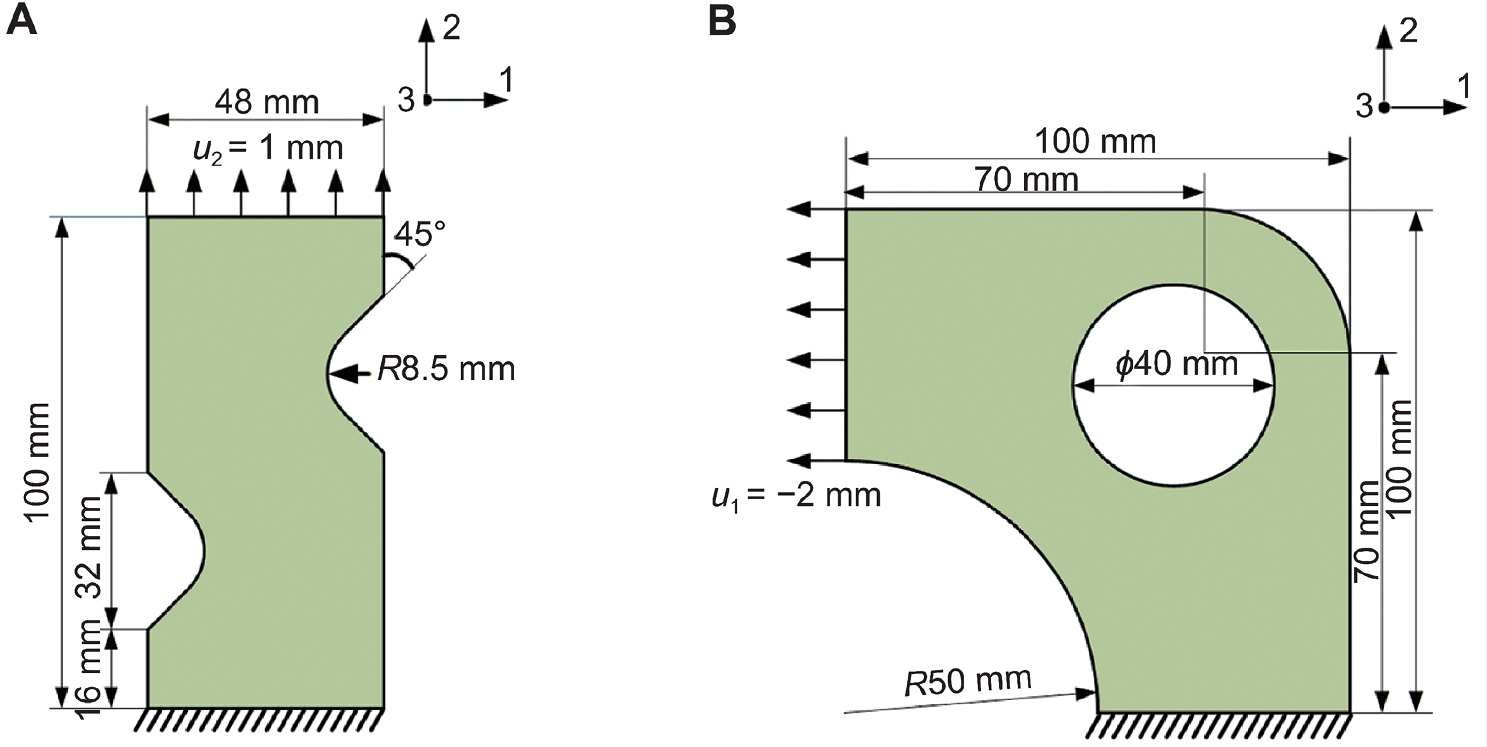
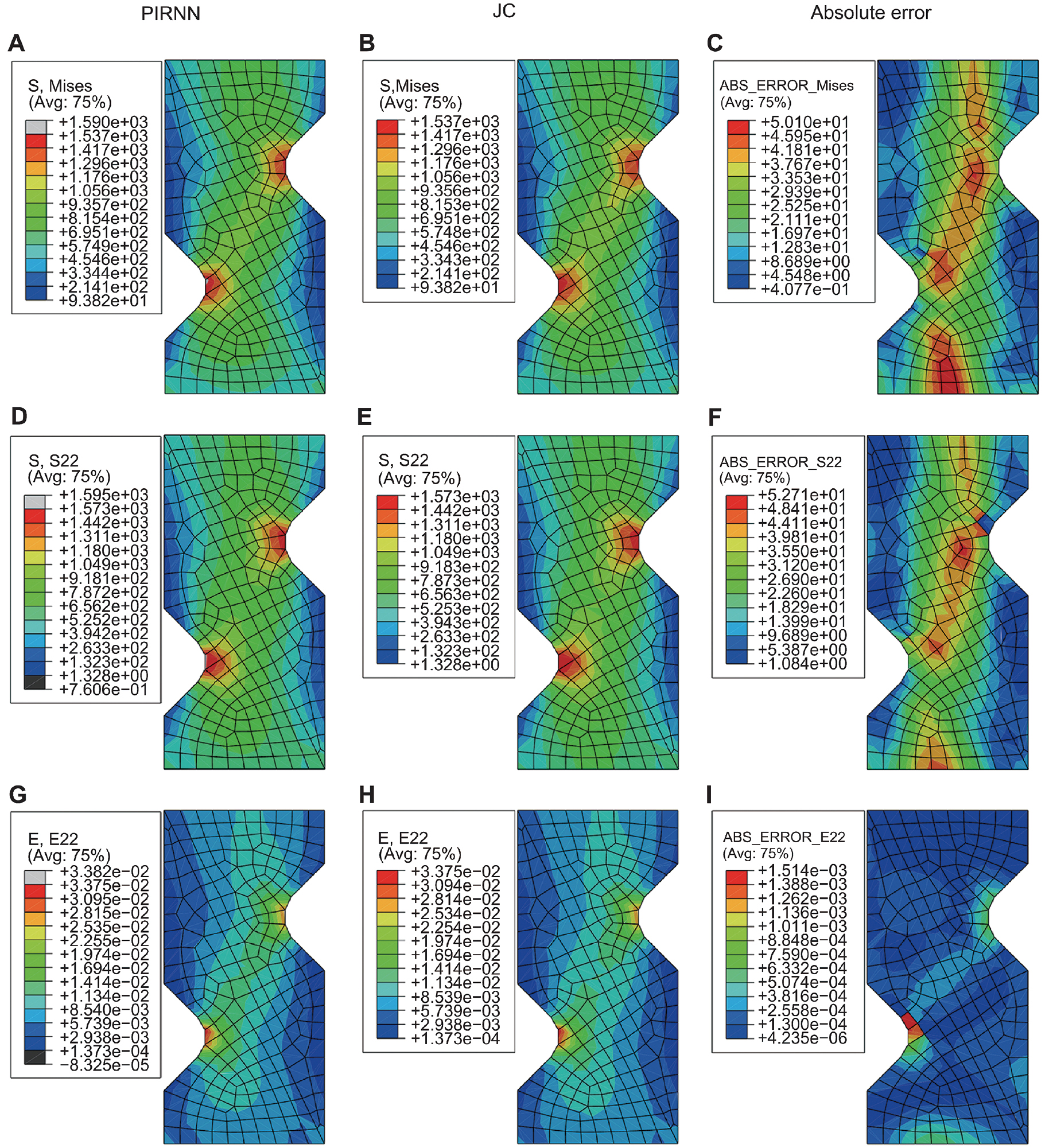
Figure 9 presents the distributions of the effective stress, stress component σ22, and strain component ε22 within the Meuwissen structure obtained with the proposed PIRNN and JC constitutive models. The absolute error fields are also enclosed in the figure for comparison. It is noted that both the PIRNN and the conventional JC model accurately reproduce the stress concentrations at the roots of two notches of the considered structure. The maximum absolute differences in von Mises stress and the stress component σ22 are mainly distributed in elements in the center of the structure and near the bottom surface, with peak values of 50.10 and 52.71 MPa, respectively. The peak error in the normal strain ε22 occurs near the lower notch of the structure, with a maximum value of 0.15%.
As shown in Figure 10A, the macroscopic force-displacement curves at the top surface of the Meuwissen structure obtained with the PIRNN and the conventional JC constitutive model show good agreement, with only slight deviations observed in the nonlinear regime. Figure 10B,C compares the stress-strain curves σ22-ε22 at the centroids of the highly stressed elements near the upper and lower notches, generated using the PIRNN and the JC constitutive model. Once again, remarkable correlations are obtained.
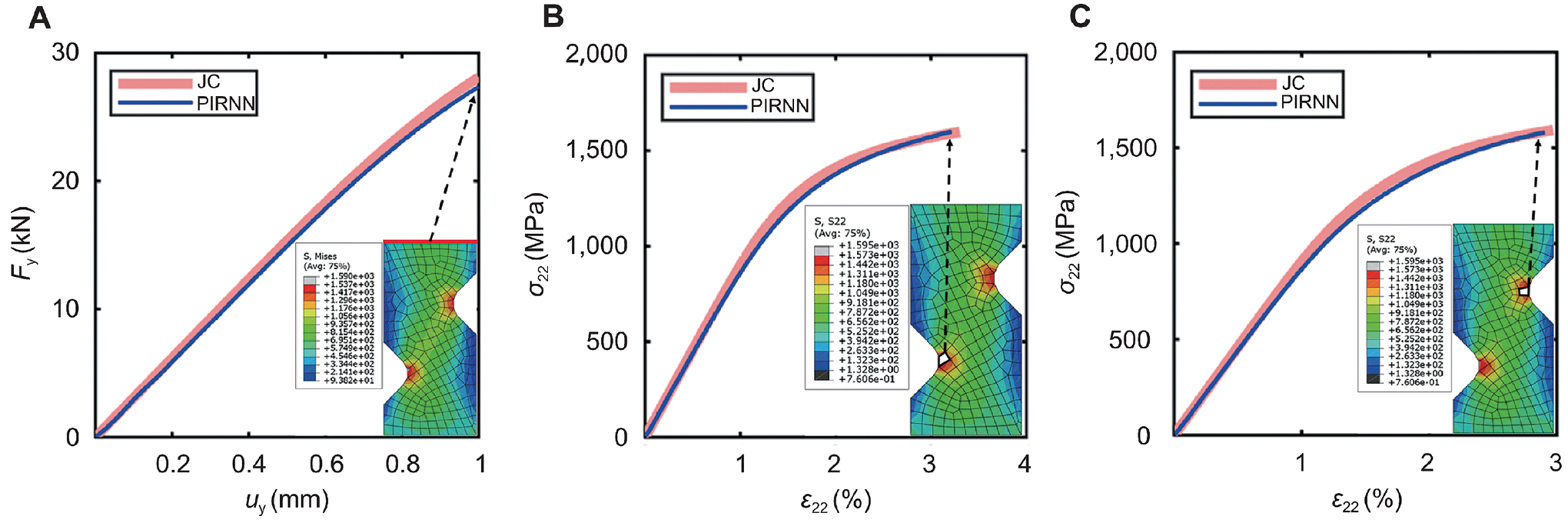
Figure 11 compares the distribution of von Mises stress, stress components σ11, and σ12 for the L-shaped perforated structure under a horizontal displacement load obtained using the PIRNN and the conventional JC model. The PIRNN predictions are in excellent agreement with those of the conventional JC model, with maximum absolute differences of 60.88, 49.71, and 41.96 MPa for the von Mises stress, σ11, and σ12, respectively. The largest errors are concentrated near the structural boundaries, while the majority of the domain exhibits negligible absolute error.
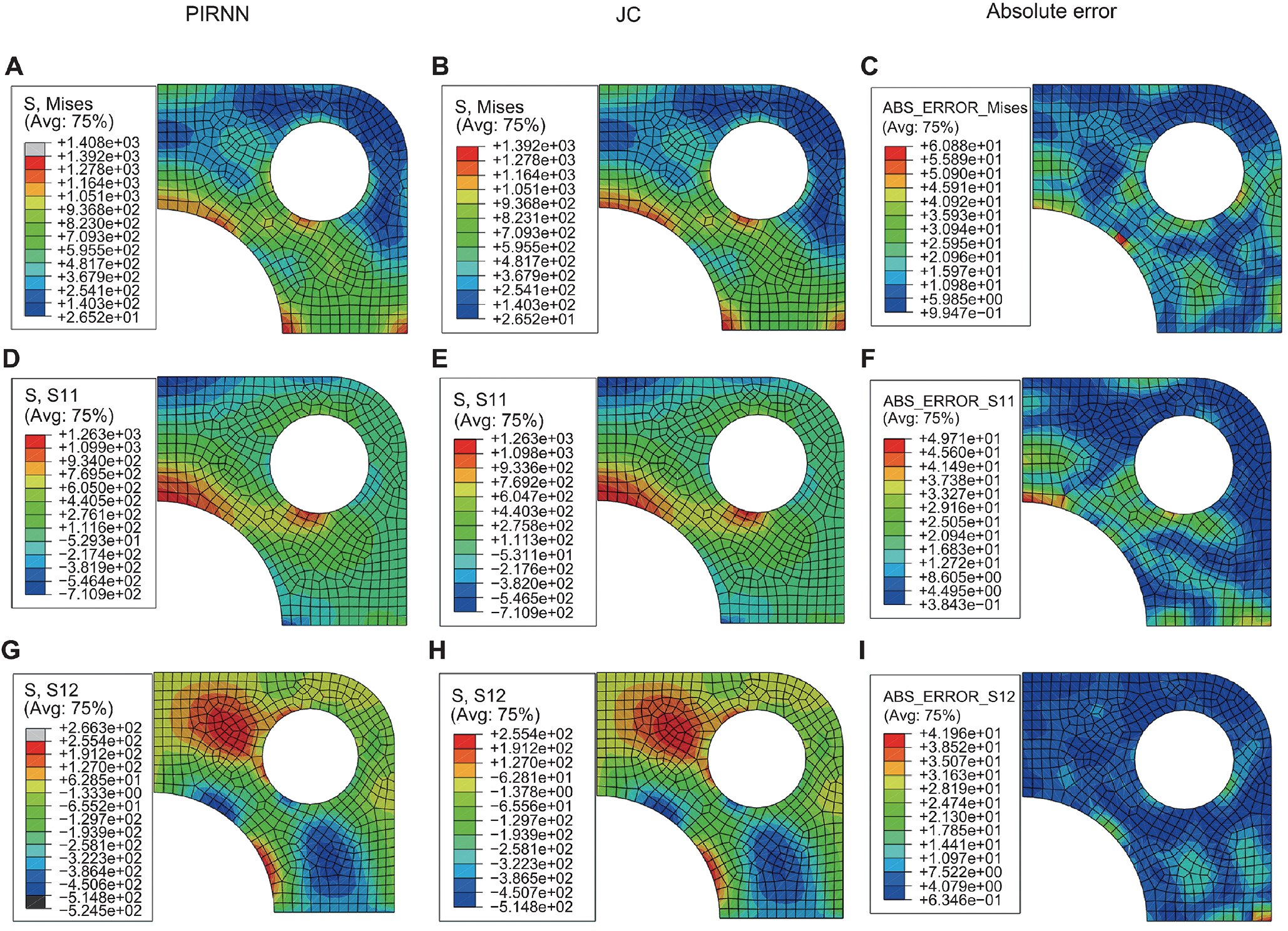
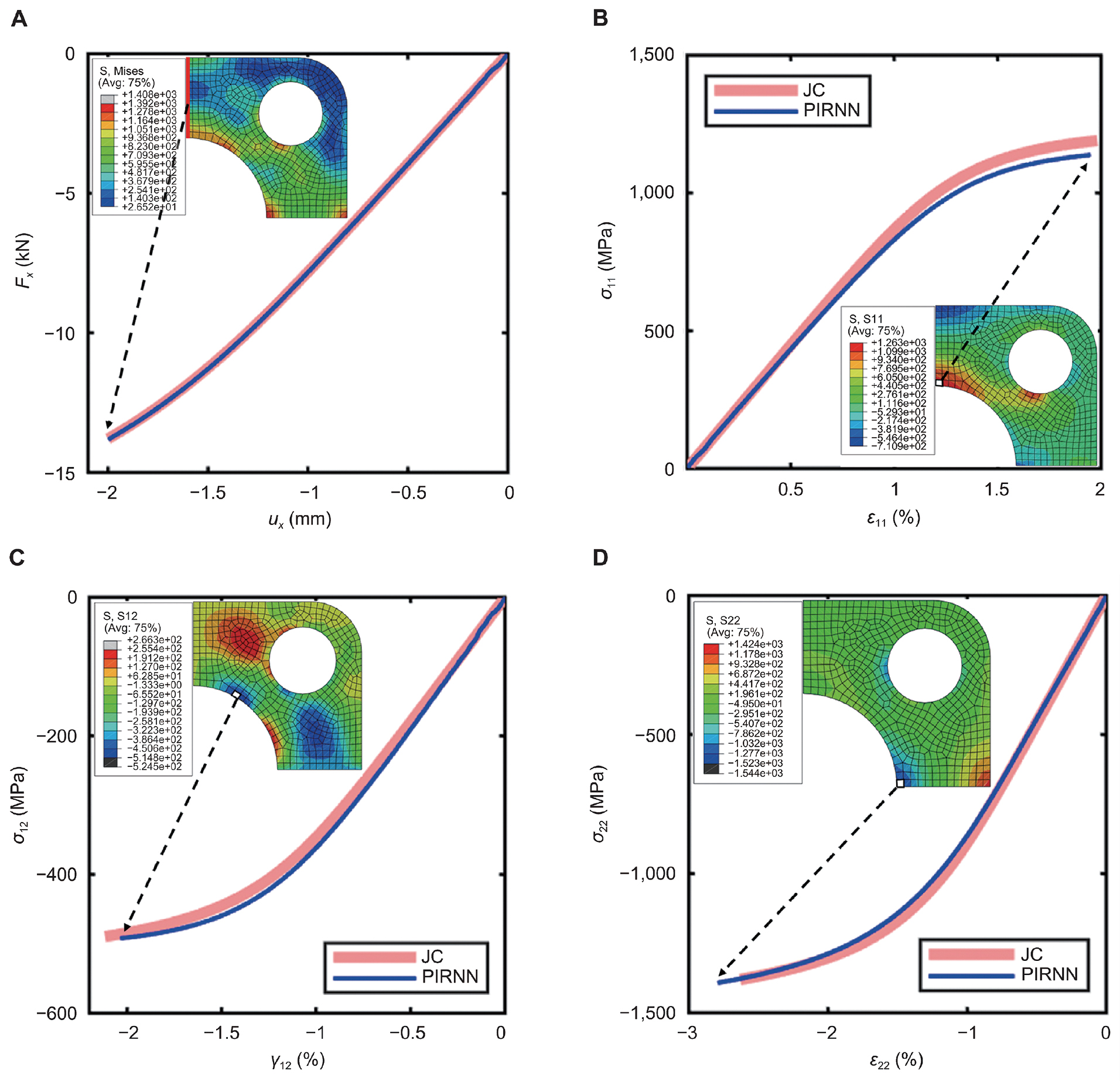
Figure 12 compares the force-displacement curve at the loading surface of the L-shaped perforated structure, as well as the stress-strain curves extracted at the centroids of the elements exhibiting the maximum values of the stresses σ11, σ22, and σ12, obtained using the PIRNN and the JC constitutive model. Except that the predicted stress component σ11 in Figure 12B is slightly lower than the reference solution, all other results show excellent agreement.
A new physics-informed recurrent neural network was developed for surrogate modeling of viscoplastic behavior described using the Johnson-Cook constitutive model. The proposed method adopts a dual-network architecture, consisting of a GRU-based RNN and a fully connected neural network. The discretized time increment sequence is introduced into the neural network inputs, enabling the network model to automatically learn the rate-dependent behavior of the Johnson-Cook constitutive model. A physics-informed loss term is incorporated into the loss function to guide the training process, enabling the neural network to inherently satisfy thermodynamic principles. Given that the PIRNN requires only stress and strain data without any explicit constitutive assumptions, it can be directly extended as a general framework for surrogate modeling of rate-dependent and path-dependent materials. The PIRNN is integrated into the commercial finite element software ABAQUS via a UMAT for performance evaluation. The proposed model is assessed through both material-point and structural simulations, and further validated against experimental measurements. The results demonstrate that the PIRNN achieves high predictive accuracy across various scenarios.
Several limitations should be noted. The current framework does not explicitly consider thermal softening and has not yet been fully extended to general three-dimensional stress states. These limitations will be addressed in future work through thermo-viscoplastic coupling and fully three-dimensional PIRNN modeling. In conclusion, this study provides a reliable framework for data-driven constitutive modeling, which can be further extended to more complex microstructural materials in future work.
Qiang Chen: Writing–original draft; methodology; investigation; formal analysis; visualization; software; validation. Xuyang Zhang: Writing–review & editing; methodology; investigation; formal analysis; software; validation. Xuefeng Chen: Writing–review & editing; supervision; project administration; funding acquisition; conceptualization. Pengfei Wang: Writing–review & editing; validation; investigation. George Chatzigeorgiou: Writing–review & editing; methodology; supervision; conceptualization. Fodil Meraghni: Writing–review & editing; methodology; supervision; conceptualization.
This work was financially supported by the National Key Research and Development Program of China (Grant No. 2024YFB4609000) and the National Natural Science Foundation of China (Grant No. 52505126).
Xuefeng Chen is an editorial board member for Hyper and was not involved in the editorial review or the decision to publish this article. All authors declare that there are no competing interests.
The data that support the findings of this study are available from the corresponding author upon reasonable request.
The primary network is based on the Gated Recurrent Unit (GRU), which is a variant of recurrent neural networks. At time step n, given the input xn and the hidden state hn−1, the GRU is updated as follows[47]:(A1)(A2)(A3)(A4)where zn and rn denote the update and reset gates, respectively, is the candidate hidden state, sigmoid(·) and tanh(·) are the sigmoid and the hyperbolic tangent activation functions, respectively, and ⊙ represents the Hadamard product.
The auxiliary network is a fully connected neural network, which consists of multiple fully connected layers. Given an input vector x, each layer m performs a linear transformation followed by a nonlinear activation function:(A5)where h(0) = x, W(m) and b(m) denote the weight and bias vector of the mth layer, and f(·) denotes the activation function, implemented as the Gaussian Error Linear Unit (GELU) in this study. The output of the final layer h(M) serves as the prediction of the auxiliary network.
J. Pan, W. He, Z. Cao, et al., "Study on HCF/VHCF Properties and Fatigue Life Prediction of Ti60 Titanium Alloy under Three-Point Bending," International Journal of Fatigue 209 (2026): 109603, https://doi.org/10.1016/j.ijfatigue.2026.109603.
K. Kaymak, Y. Tazegül, A. B. Keyvankl1, et al., "Effects of Ti Addition and Wall Thickness on Microstructure, Hardness, and Wear Properties of Spheroidal Graphite Cast Irons," Tribology International 195 (2024): 109612, https://doi.org/10.1016/j.triboint.2024.109612.
Y. Zheng, Y. Zheng, X. Cao, et al., "Microstructure Evolution Behavior of Titanium Alloy during the Electromagnetic Pulse Welding Process between Titanium and Stainless Steel," Materials Today Communications 52 (2026): 114958, https://doi.org/10.1016/j.mtcomm.2026.114958.
G. R. Johnson and W. H. Cook, "Fracture Characteristics of Three Metals Subjected to Various Strains, Strain Rates, Temperatures and Pressures," Engineering Fracture Mechanics 21 (1985): 31–48, https://doi.org/10.1016/0013-7944(85)90052-9.
B. Özcan, O. Cavusoglu, U. Çalışkan, et al., "Experimental and Numerical Characterization of Johnson–Cook Plasticity and Damage Models for Spheroidal Graphite Cast Irons at High Strain Rates and Elevated Temperatures," International Journal of Solids and Structures 332 (2026): 113916, https://doi.org/10.1016/j.ijsolstr.2026.113916.
L. Wang, Z. Wang, S. Zhang, et al., "Spiral Metal Tube Multi-Roller Bending Springback Prediction Model Based on Dynamic Deformation Enhancement Analysis," International Journal of Solids and Structures 254–255 (2022): 111940, https://doi.org/10.1016/j.ijsolstr.2022.111940.
M. Cao, C. Zhang, T. Ren, et al., "A Modified Johnson–Cook Model and a Novel Wilkins–Kamoulakos Model Used to Simulate the Impact between Aero-Engine Turbine Casing and Fractured Blade," Thin-Walled Structures 220 (2026): 114277, https://doi.org/10.1016/j.tws.2025.114277.
Q. Chen, R. Jia, and S. Pang, "Deep Long Short-Term Memory Neural Network for Accelerated Elastoplastic Analysis of Heterogeneous Materials: An Integrated Data-Driven Surrogate Approach," Composite Structures 264 (2021): 113688, https://doi.org/10.1016/j.compstruct.2021.113688.
S. Wu, L. Guo, Z. Li, et al., "A Data-Driven Multiscale Model SCA-DNN for 3D Woven Composites Based on the Damage Evolution Genome Database," Composites Part A: Applied Science and Manufacturing 200 (2026): 109318, https://doi.org/10.1016/j.compositesa.2025.109318.
M. El Fallaki Idrissi, A. Pasquale, F. Meraghni, et al., "Advanced Meta-Modeling Framework Combining Machine Learning and Model Order Reduction towards Real-Time Virtual Testing of Woven Composite Laminates in Nonlinear Regime," Composites Science and Technology 262 (2025): 111055, https://doi.org/10.1016/j.compscitech.2025.111055.
K. Linka, M. Hillgärtner, K. P. Abdolazizi, et al., "Constitutive Artificial Neural Networks: A Fast and General Approach to Predictive Data-Driven Constitutive Modeling by Deep Learning," Journal of Computational Physics 429 (2021): 110010, https://doi.org/10.1016/j.jcp.2020.110010.
A. E. Marques, T. G. Parreira, A. F. G. Pereira, et al., "Machine Learning Applications in Sheet Metal Constitutive Modelling: A Review," International Journal of Solids and Structures 303 (2024): 113024, https://doi.org/10.1016/j.ijsolstr.2024.113024.
A. Zhang and D. Mohr, "Using Neural Networks to Represent von Mises Plasticity with Isotropic Hardening," International Journal of Plasticity 132 (2020): 102732, https://doi.org/10.1016/j.ijplas.2020.102732.
W. G. Dettmer, E. J. Muttio, R. Alhayki, et al., "A Framework for Neural Network Based Constitutive Modelling of Inelastic Materials," Computer Methods in Applied Mechanics and Engineering 420 (2024): 116672, https://doi.org/10.1016/j.cma.2023.116672.
J. Ghaboussi, J. H. Garrett, and X. Wu, "Knowledge-Based Modeling of Material Behavior with Neural Networks," Journal of Engineering Mechanics 117, no. 1 (1991): 132–153, https://doi.org/10.1061/(ASCE)0733-9399(1991)117:1(132).
D. P. Jang, P. Fazily, and J. W. Yoon, "Machine Learning-Based Constitutive Model for J2 Plasticity," International Journal of Plasticity 138 (2021): 102919, https://doi.org/10.1016/j.ijplas.2020.102919.
K. Xu, A. M. Tartakovsky, J. Burghardt, et al., "Learning Viscoelasticity Models from Indirect Data Using Deep Neural Networks," Computer Methods in Applied Mechanics and Engineering 387 (2021): 114124, https://doi.org/10.1016/j.cma.2021.114124.
M. Bourdyot, M. Compans, R. Langlois, et al., "Learning a Hyperelastic Constitutive Model from 3D Experimental Data," Computer Methods in Applied Mechanics and Engineering 450 (2026): 118592, https://doi.org/10.1016/j.cma.2025.118592.
J. Jiang, J. Wu, Q. Chen, et al., "Physically Informed Deep Homogenization Neural Network for Unidirectional Multiphase/Multi-Inclusion Thermoconductive Composites," Computer Methods in Applied Mechanics and Engineering 409 (2023): 115972, https://doi.org/10.1016/j.cma.2023.115972.
Q. Chen, X. Du, G. Chatzigeorgiou, et al., "Physics-Informed Deep Neural Networks towards Finite Strain Homogenization of Unidirectional Soft Composites," European Journal of Mechanics A/Solids 114 (2025): 105752, https://doi.org/10.1016/j.euromechsol.2025.105752.
Z. Wang, R. Cudmani, and A. A. P. Olarte, "Connecting and Distinguishing Conventional and Data-Driven Constitutive Models: The Role of State Boundary Surfaces," Journal of the Mechanics and Physics of Solids 200 (2025): 106122, https://doi.org/10.1016/j.jmps.2025.106122.
S. E. Sekkal, M. El Fallaki Idrissi, F. Meraghni, et al., "Multiscale Thermodynamics-Informed Neural Networks (MuTINN) for Nonlinear Structural Computations of Recycled Thermoplastic Composites," Composites Part B: Engineering 300 (2025): 112455, https://doi.org/10.1016/j.compositesb.2025.112455.
F. Masi, I. Stefanou, P. Vannucci, et al., "Thermodynamics-Based Artificial Neural Networks for Constitutive Modeling," Journal of the Mechanics and Physics of Solids 147 (2021): 104277, https://doi.org/10.1016/j.jmps.2020.104277.
F. Masi and I. Stefanou, "Multiscale Modeling of Inelastic Materials with Thermodynamics-Based Artificial Neural Networks (TANN)," Computer Methods in Applied Mechanics and Engineering 398 (2022): 115190, https://doi.org/10.1016/j.cma.2022.115190.
F. Masi and I. Stefanou, "Evolution TANN and the Identification of Internal Variables and Evolution Equations in Solid Mechanics," Journal of the Mechanics and Physics of Solids 174 (2023): 105245, https://doi.org/10.1016/j.jmps.2023.105245.
M. M. Su, Y. Yu, T. H. Chen, et al., "A Thermodynamics-Informed Neural Network for Elastoplastic Constitutive Modeling of Granular Materials," Computer Methods in Applied Mechanics and Engineering 430 (2024): 117246, https://doi.org/10.1016/j.cma.2024.117246.
P. Zhang, K. Karapiperis, and O. Weeger, "T-PiNet: A Thermodynamics-Informed Hierarchical Learning for Discovering Constitutive Relations of Geomaterials," Journal of the Mechanics and Physics of Solids 197 (2025): 106049, https://doi.org/10.1016/j.jmps.2025.106049.
X. He and J.-S. Chen, "Thermodynamically Consistent Machine-Learned Internal State Variable Approach for Data-Driven Modeling of Path-Dependent Materials," Computer Methods in Applied Mechanics and Engineering 402 (2022): 115348, https://doi.org/10.1016/j.cma.2022.115348.
R. Lourenço, P. Georgieva, E. Cueto, et al., "An Indirect Training Approach for Implicit Constitutive Modelling Using Recurrent Neural Networks and the Virtual Fields Method," Computer Methods in Applied Mechanics and Engineering 425 (2024): 116961, https://doi.org/10.1016/j.cma.2024.116961.
A. Girard and D. Mohr, "Recurrent Neural Network Model Predicting Elasto-Plasticity and Matrix Fracture in Fiber Constitutive Modeling," International Journal of Mechanical Sciences (2026): 111816, https://doi.org/10.1016/j.ijmecsci.2026.111816.
C. Bonatti, B. Berisha, and D. Mohr, "From CP-FFT to CP-RNN: Recurrent Neural Network Surrogate Model of Crystal Plasticity," International Journal of Plasticity 158 (2022): 103430, https://doi.org/10.1016/j.ijplas.2022.103430.
R. Lourenço, A. Tariq, P. Georgieva, et al., "On the Use of Physics-Based Constraints and Validation KPI for Data-Driven Elastoplastic Constitutive Modelling," Computer Methods in Applied Mechanics and Engineering 437 (2025): 117743, https://doi.org/10.1016/j.cma.2025.117743.
X. Zhang, Q. Chen, R. Lourenço, et al., "Thermodynamics-Informed Multi-Head Attention Neural Networks for Constitutive Modelling," International Journal of Solids and Structures 328 (2026): 113845, https://doi.org/10.1016/j.ijsolstr.2026.113845.
S. Kim and H. Shin, "Accelerating the Data-Driven Multiscale Finite Element Analysis for Elastoplastic Materials by Using Proper Orthogonal Decomposition and Transformer Architecture," Computer Methods in Applied Mechanics and Engineering 437 (2025): 117827, https://doi.org/10.1016/j.cma.2025.117827.
Y. Zhongbo and P. L. Hien, "Pre-Trained Transformer Model as a Surrogate in Multiscale Computational Homogenization Framework for Elastoplastic Composite Materials Subjected to Generic Loading Paths," Computer Methods in Applied Mechanics and Engineering 421 (2024): 116745, https://doi.org/10.1016/j.cma.2024.116745.
X. Zhang, Q. Chen, and X. Chen, "Thermodynamics-Informed Attention Networks for Concurrent Multiscale Modeling of Nonlinear Composites," International Journal of Plasticity 201 (2026): 104681, https://doi.org/10.1016/j.ijplas.2026.104681.
J.-J. Wang, C. Wang, J.-S. Fan, et al., "A Deep Learning Framework for Constitutive Modeling Based on Temporal Convolutional Network," Journal of Computational Physics 449 (2022): 110784, https://doi.org/10.1016/j.jcp.2021.110784.
A. Ostadrahimi, A. Teimouri, K. Upadhyay, et al., "Stress Softening Damage in Strongly Nonlinear Viscoelastic Soft Materials: A Physics-Informed Data-Driven Constitutive Model with Time–Temperature Coupling," International Journal of Plasticity 197 (2026): 104582, https://doi.org/10.1016/j.ijplas.2025.104582.
X. Zhang, Q. Chen, H. Quan, et al., "Physics-Informed Temporal Convolutional Networks for Composite Reinforced Composites," International Journal of Solids and Structures 326 (2026): 113703, https://doi.org/10.1016/j.ijsolstr.2025.113703.
B. Liu, E. Ocegueda, M. Trautner, et al., "Learning Macroscopic Internal Variables and History Dependence from Microscopic Models," Journal of the Mechanics and Physics of Solids 178 (2023): 105329, https://doi.org/10.1016/j.jmps.2023.105329.
B. Guo, Z. Lin, and Q. He, "History-Aware Neural Operator: Robust Data-Driven Constitutive Modeling of Path-Dependent Materials," Computer Methods in Applied Mechanics and Engineering 447 (2025): 118358, https://doi.org/10.1016/j.cma.2025.118358.
C. Bonatti and D. Mohr, "On the Importance of Self-Consistency in Recurrent Neural Network Models Representing Elasto-Plastic Solids," Journal of the Mechanics and Physics of Solids 158 (2022): 104697, https://doi.org/10.1016/j.jmps.2021.104697.
J. N. Heidenreich and D. Mohr, "Extended Minimal State Cells (EMSC): Self-Consistent Recurrent Neural Networks for Rate- and Temperature-Dependent Plasticity," International Journal of Plasticity 188 (2025): 104305, https://doi.org/10.1016/j.ijplas.2025.104305.
R. Lourenço, P. Georgieva, and A. Andrade-Campos, "Data-Driven Elastoplastic Constitutive Modelling with Physics-Informed RNNs Using the Virtual Fields Method for Indirect Training," Computer Methods in Applied Mechanics and Engineering 440 (2025): 117935, https://doi.org/10.1016/j.cma.2025.117935.
H. Quan, Q. Chen, Z. Hu, et al., "Parametric Reduced-Order Constitutive Model for High-Strain-Rate and Temperature-Dependent Behavior," Acta Mechanica Solida Sinica (2026), https://doi.org/10.1007/s10338-026-00751-8.
L. Shi, T. Wang, L. Wang, et al., "Research on Johnson–Cook Constitutive Model of Γ-TiAl Alloy with Improved Parameters," Materials 16, no. 20 (2023): 6715, https://doi.org/10.3390/ma16206715.
J. Chung, C. Gulcehre, K. Cho, et al., "Empirical Evaluation of Gated Recurrent Neural Networks on Sequence Modeling," arXiv preprint arXiv:1412.3555 (2014), https://doi.org/10.48550/arXiv.1412.3555.
 Top
Top