ContentsFigures & Tables
The global energy transition and carbon-neutrality targets are driving the adoption of lithium-ion batteries. As high-energy-density, long-cycle-life storage devices, they serve as key enablers for electric vehicles and next-generation power systems [1–3]. However, a battery's internal state cannot be measured directly and varies dynamically with temperature, operating conditions, and aging, making state estimation challenging [4, 5]. The problem is particularly severe for lithium iron phosphate (LFP) batteries, whose terminal voltage changes very slowly over a wide state of charge (SOC) range, complicating SOC identification in the voltage plateau region. Furthermore, their kinetic parameters are sensitive to temperature [6]. Therefore, SOC estimation methods are required that can overcome the information deficiency in the voltage plateau and adapt to complex, wide-temperature conditions.
Existing SOC estimation methods for LFP batteries can be classified into three categories. The first category comprises model-based approaches, typically equivalent-circuit models integrated with Kalman filters and their variants [7, 8]. Although these methods offer physical interpretability, their performance relies heavily on accurate parameter calibration. For LFP batteries, the weak voltage features in the plateau region make parameter identification particularly difficult. Moreover, key parameters such as internal resistance, polarization parameters, and available capacity also vary with temperature, C-rate, and aging. If these parameters are not updated, biased estimation can occur. Consequently, the adaptability of such methods is limited in wide-temperature and long-term operating conditions.
The second category consists of data-driven methods based on conventional machine learning [9, 10]. These methods extract features such as voltage, current, and temperature from operating data and then learn the nonlinear mapping to SOC, thereby avoiding complex electrochemical modeling. Among them, Gaussian process regression can also provide a probability distribution and confidence interval for the estimate [11]. However, the performance of these methods depends heavily on manual feature engineering. Shallow models have limited ability to automatically extract features from high-dimensional time-series data, and cannot fully capture the complex temporal dependencies during battery operation.
The third category comprises deep learning methods, primarily Long Short-Term Memory (LSTM) networks [12, 13]. These networks possess strong nonlinear temporal modeling capabilities and can capture dynamic processes such as relaxation and hysteresis from long data sequences [14], achieving high accuracy in SOC estimation. Hybrid approaches combining model-based and data-driven methods are also employed to balance physical insight with nonlinear fitting ability [15]. Recently, advanced architectures such as transformer variants (informer and autoformer) and Temporal Convolutional Networks (TCN) have demonstrated competitive performance through self-attention and parallel computation. Nevertheless, deep learning models are often regarded as black boxes, lacking the ability to explain which features or time steps are critical. Moreover, standard LSTMs cannot adaptively weigh the importance of different input variables and historical time steps. A mechanism that highlights key input features and important time segments is therefore required to improve both the representation of complex time-series information and model interpretability.
In data-driven SOC estimation, performance is determined by both the completeness of the input information and the representation capacity of the model. Most existing LSTM-based methods rely only on externally measurable signals such as voltage, current, and temperature as inputs. However, for LFP batteries, the voltage plateau region lacks effective information for SOC discrimination. This deficiency represents a long-standing structural bottleneck that cannot be resolved simply by increasing model complexity.
Even deep learning models can only extract features from the given inputs; they cannot generate new information at the source. An attention mechanism (AM) can help by dynamically assigning weights to key feature dimensions and important time steps [16, 17]. Yet, most LSTM-AM studies focus on information selection along the temporal dimension. They pay less attention to multi-source feature fusion and the introduction of new physical observations. Consequently, the bottleneck arising from insufficient information in the voltage plateau remains unaddressed.
To overcome this structural bottleneck, a new observation dimension is required—one that directly reflects the battery's internal electrochemical state and correlates strongly with SOC. Internal pressure is an independent physical variable distinct from voltage, current, and temperature. It has the potential to fundamentally supplement the missing state information. During charging and discharging, lithium-ion insertion and extraction cause lattice volume changes in electrode materials, while side reactions can also generate gas. These internal electrochemical-mechanical processes manifest as variations in the battery's internal pressure [18]. In the voltage plateau region, where the terminal voltage gradient is small, internal pressure can still exhibit a clear response. This provides additional state information that conventional electrical signals fail to capture. Prior studies have shown that internal pressure significantly increases the information entropy of input signals [19]. Its role is not just an auxiliary feature for boosting accuracy. It should be regarded as a new dimension that compensates for the missing observation information in the voltage plateau. Current research on internal pressure has mostly been confined to experimental observation and simple fitting, without deep integration as a key temporal feature into end-to-end deep learning frameworks. Moreover, existing studies are typically conducted at a single, constant temperature, neglecting the influence of temperature variations on the pressure-SOC coupling relationship.
Based on the above considerations, an LSTM network that integrates internal pressure features with a dual-attention mechanism is proposed for wide-temperature-range SOC estimation of LFP batteries. First, a multi-physical field feature set is constructed using measured internal pressure, voltage, current, and temperature, where the sensitivity of internal pressure to the internal electrochemical state supplements conventional electrical signals. As indicated by subsequent ablation experiments, temperature continues to affect predictions even after temperature compensation of internal pressure. The temperature compensation formula, derived by fitting a pressure-temperature curve, inherently exhibits deviations. Therefore, both raw internal pressure and temperature are jointly input into the model.
The LSTM's gating mechanism can then adaptively decouple pressure changes induced by temperature from those induced by electrochemical reactions, thereby avoiding errors introduced by manual pre-processing and enabling more robust learning of the pressure–SOC relationship across a wide temperature range. Second, feature attention and temporal attention are incorporated into the LSTM framework. This enhances the model's ability to extract key multi-source information and important historical states. Finally, the model is trained and tested on datasets collected under multiple temperatures and C-rates, and its estimation accuracy, robustness, and interpretability under dynamic wide-temperature conditions are validated. To further verify its generalization capability, cross-temperature domain adaptation and boundary tests are designed. Cross-domain comparisons with LSTM, Convolutional Neural Network-LSTM (CNN-LSTM), and transformer are also conducted on a public National Aeronautics and Space Administration (NASA) battery dataset.
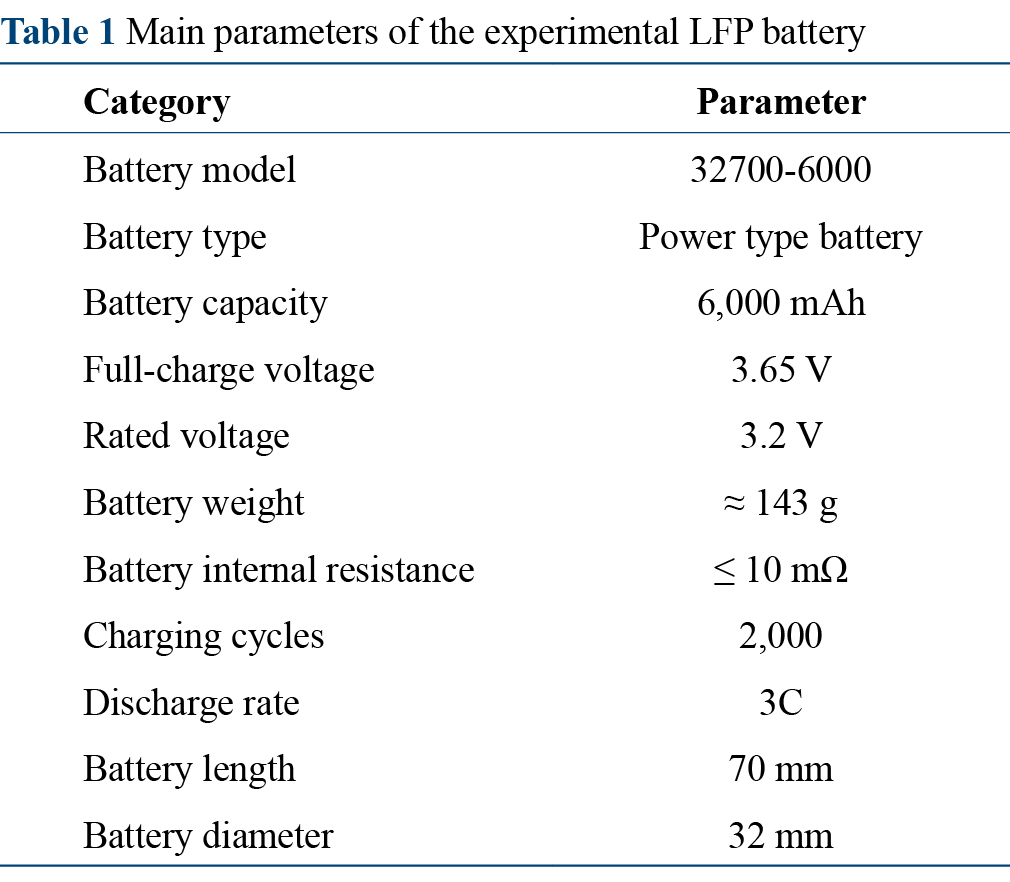
A commercial cylindrical LFP battery (WTT32700, Shenzhen Nuoxiang Electronics Co., Ltd., Shenzhen, China) with a nominal capacity of 6 Ah and a nominal voltage of 3.2 V was selected for this study. It is suitable for high-rate discharge applications. The main parameters of the battery are summarized in Table 1.
Charge-discharge tests were conducted using a battery test system (CT-4008-5V20A-A, Neware Technology Limited, Shenzhen, China). The control accuracies for voltage and current were ±0.02% and ±0.05%, respectively, and data were recorded at a frequency of 10 Hz. The ambient temperature was maintained using a low- and high-temperature thermostatic bath (DC-2006, Shanghai Zhulan Instrument Technology Limited, Shanghai, China), with a temperature fluctuation of ± 0.1℃.
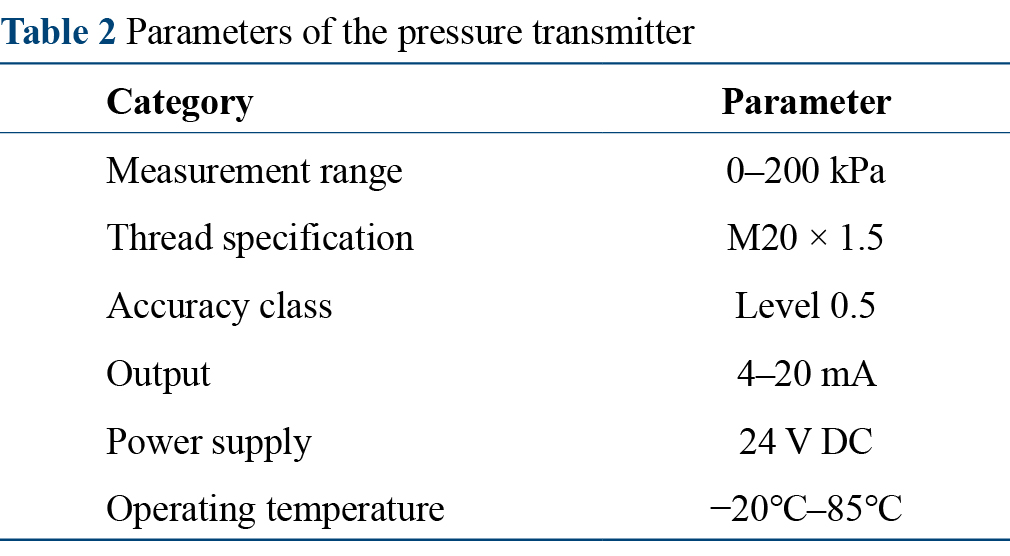
Internal pressure measurement constitutes a core innovation of this study. A SUP-P300-B (Hangzhou Meacon Automation Technology Co., Ltd., Hangzhou, China)pressure transmitter was employed for this purpose, and its main parameters are summarized in Table 2.
The sensor is isolated from the measured medium by a polytetrafluoroethylene (PTFE) coating and a stainless-steel corrugated diaphragm, enabling long-term operation in harsh environments, such as acidic, alkaline, oily, and gaseous media. When pressure is applied to the sensor, it outputs a voltage signal proportional to the pressure. After amplification and calibration, the output voltage is linearly related to the pressure value.
In the experiment, the sensor was connected to the battery via a custom sealed fixture with sealing to directly measure the internal gas-phase pressure of the battery. The sensor had a measurement range of 0–200 kPa, an accuracy class of 0.5, and a 4–20 mA current output. The pressure data were converted and synchronously recorded using a paperless recorder (MIK-R200T, Hangzhou Meacon Automation Technology Co., Ltd., Hangzhou, China).
The internal pressure curve obtained in this study exhibits a more pronounced cumulative trend than those reported in some existing studies. This discrepancy arises primarily from differences in cell type and measurement methodology. Most previous investigations measure the external applied pressure on pouch cells using external clamping fixtures. In the present work, experiments were conducted on cylindrical 32700 cells, with the sensor directly connected to the internal gas phase via a custom sealing fixture. The rigid steel casing of the cylindrical cell provides a nearly constant volume, and the internal pressure is governed by gas accumulation from side reactions and the volume changes of active materials during lithium insertion and extraction. This closed and constrained space produces a more noticeable pressure build-up effect than that observed in pouch cells, where external pressure measurements are heavily influenced by mechanical deformation of the soft casing. Therefore, the curve morphology in this study reflects the intrinsic gas-phase pressure response of cylindrical LFP cells, which is qualitatively consistent with the underlying electrochemical-mechanical coupling mechanism.
To systematically investigate the coupling among SOC, current, temperature, and internal pressure, and to construct a multi-physical time-series dataset for model training, temperature-pressure calibration experiments under resting conditions and multi-rate pulse tests were conducted. The overall workflow consists of three sequential stages: experimental data acquisition, internal pressure signal analysis, and input feature construction.
To extract informative signals from the internal pressure data, a resting temperature-pressure calibration experiment was first conducted to characterize the influence of temperature on internal pressure. Subsequently, multi-temperature and multi-rate pulse experiments were performed to capture internal pressure responses under dynamic operating conditions. The measured internal pressure was then combined with temperature, voltage, and current as input features for the model.
To verify that the pressure variations primarily originate from electrochemical reactions rather than elastic deformation of the cell casing, a mechanical analysis based on thin-walled cylinder theory was conducted (see Supporting Information). The results indicate that the volume change of the casing is negligible within the tested pressure range (< 0.1‰), confirming that the internal pressure signal directly reflects variations in the amount of internal gas. Therefore, over the experimental pressure range, the volume change induced by elastic deformation of the casing is negligible compared with the internal gas volume, and the gas volume can be approximately treated as constant.
Under resting conditions without electrochemical reactions, the total amount of internal gas and the casing volume can be assumed constant. The ideal gas equation P = nRT/Vgas can be used to determine the relationship between pressure (P) and temperature (T), where R represents the molar gas constant, Vgas represents the volume, and n represents the amount of substance. During battery operation, however, n may vary dynamically due to electrochemical processes such as lithium insertion/extraction and gas generation from side reactions, making it a key variable related to SOC. In contrast, changes in T induce thermodynamic pressure fluctuations and act as a non-electrochemical disturbance. If raw pressure is directly used as a model input, the model may learn both temperature-induced disturbance and SOC-related information, which can degrade generalization under wide-temperature operating conditions. Therefore, it is necessary to identify the pressure component associated with electrochemical processes while accounting for the influence of temperature.
The experimental data consist of two parts. The first part is the resting temperature-pressure calibration experiment, which was used to analyze the influence of temperature on battery internal pressure. Because the target temperature of electric-vehicle thermal management systems is typically set within 25℃–35℃, a heating-rest experiment was conducted for the battery at SOC = 100% and without external charge-discharge excitation over a temperature range of 25℃ to 36℃. After the battery reached thermal equilibrium, the corresponding temperature and internal pressure data were recorded. This experiment was used to characterize the basic variation of internal pressure with temperature under resting conditions.
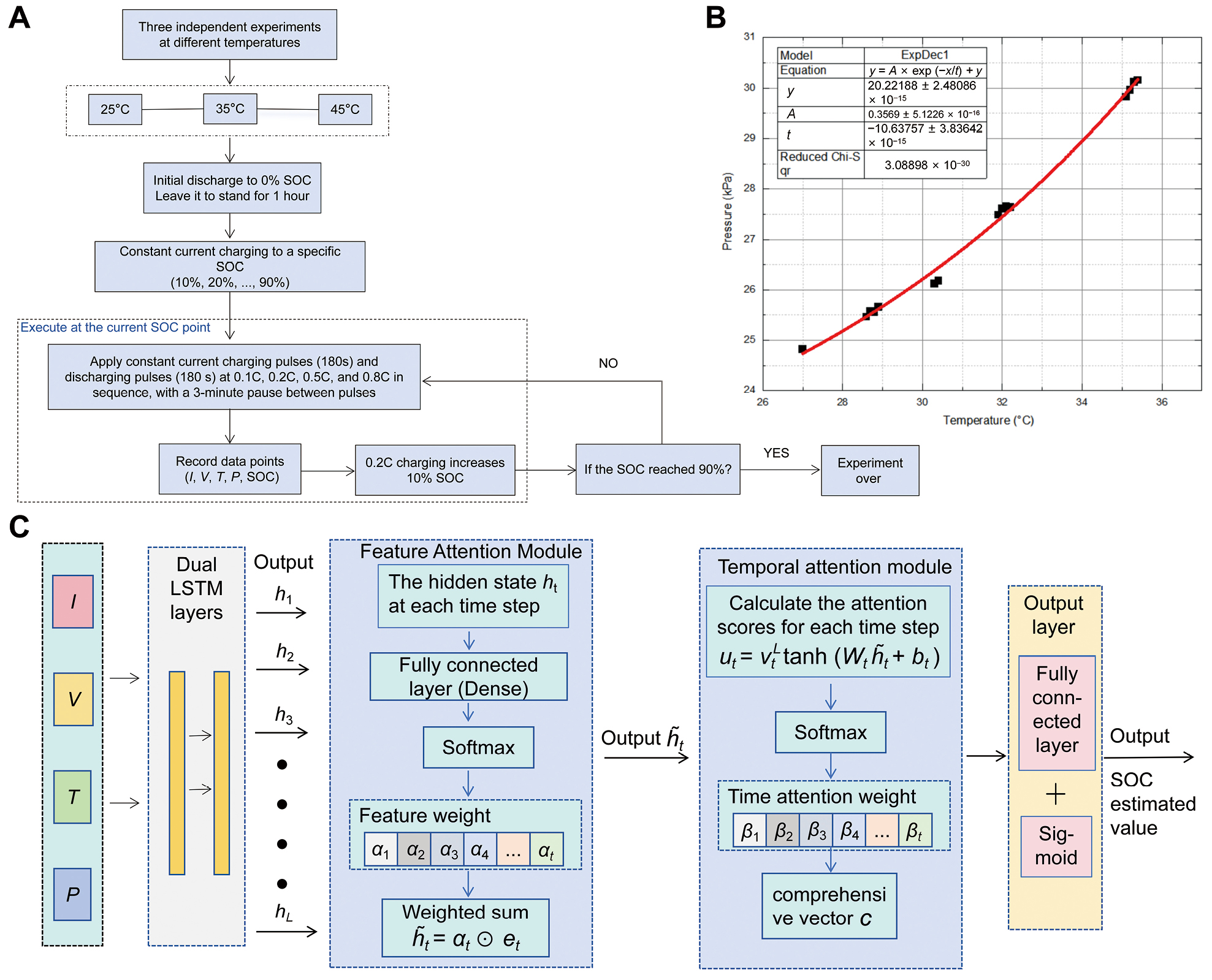
The second part is the multi-temperature and multi-rate pulse experiment, which was used to obtain the voltage, current, temperature, and internal pressure responses during dynamic charge-discharge operation. At three constant temperatures of 25℃, 35℃, and 45℃, the battery was first fully equilibrated to ensure that the battery temperature was stable and consistent with the ambient temperature. It was then discharged at a constant current of 0.2C to the cut-off voltage of 2.0 V and rested for 1 h, and this state was taken as the initial low-SOC state. The battery was then charged at 0.2C to different SOC reference points (0%, 10%, ..., 90%). At each SOC reference point, 180 s constant-current charge pulses and 180 s discharge pulses at 0.1C, 0.2C, 0.5C, and 0.8C were sequentially applied, with a 3 min rest interval between pulses, to obtain dynamic responses under different current excitations. The multi-temperature pulse test and data recording procedure is shown in Figure 1A. During the experiments, current (I), terminal voltage (V), temperature (T), and measured internal pressure (P) were synchronously collected, and SOC during the dynamic process was corrected in real time using Coulomb counting. Thus, a raw time-series dataset covering a wide SOC range, multiple temperatures, and multiple C-rate conditions was constructed.
Three identical WTT32700 batteries were tested to verify data consistency. Approximately 120,000 time-step samples were collected at each temperature. The entire dataset was divided chronologically into training (70%), validation (15%), and testing (15%) sets. This chronological split ensures that the test data are temporally independent of the training process and prevents data leakage that could arise from random shuffling of adjacent samples. Consequently, the evaluation reflects the model's true generalization capability to unseen conditions, rather than mere interpolation of the training data.
In addition, to rigorously verify the model's wide temperature domain generalization ability, two complementary strategies were designed to evaluate the generalization ability. Domain adaptation validation: a base model was first trained on the full 25℃ dataset and then fine-tuned using a small portion of initial samples from the target temperature (15% of the total target data). The test was performed on the remaining 85% of the target temperature sequences. This setup simulates a practical scenario in which a model is rapidly adapted to a new condition with limited target-domain samples. Cross-temperature boundary test: as a limit exploration of generalization performance, a model trained exclusively on 25℃ data was directly tested on the full 35℃ and 45℃ datasets (zero-shot testing). Although the accuracy decreases due to the distribution shift, this test reveals the true impact of temperature domain shift and provides a benchmark for future domain adaptation research.
Together, these two strategies assess the model's adaptability across temperatures: the domain adaptation validation demonstrates practical transfer performance, while the boundary test reveals the limitations of purely data-driven methods in zero-shot generalization.
The internal pressure of the battery is influenced by both temperature variations and electrochemical reactions. Under resting conditions, the experimental data reveal a pronounced nonlinear relationship between internal pressure and temperature, as shown in Figure 1B. Based on the characteristics of the curve, an exponential function was adopted for empirical fitting to establish the pressure-temperature relationship:(1)where Pstatic denotes the theoretical static internal pressure; T is the battery temperature.
The fitted model yields a coefficient of determination r2 = 0.99578, indicating that it accurately captures the pressure-temperature relationship over the experimental temperature range.
Under dynamic charge-discharge conditions, the internal pressure comprises not only a thermodynamic contribution induced by temperature but also the pressure response arising from electrochemical-mechanical processes, such as lithium insertion/extraction, volume changes of active materials, and possible gas generation from side reactions. Consequently, the internal pressure itself can reflect changes in the internal battery state and provide complementary information for SOC estimation beyond voltage signals. Given that temperature also affects internal pressure variations, measured P and T were simultaneously used as model inputs, enabling the LSTM network to learn the coupling among internal pressure, temperature, and SOC during temporal modeling.
Finally, I, V, T, and P served as input features, with the SOC reference value serving as the output label. All input features were normalized to [0, 1] using the min-max method to improve training stability and convergence speed.
An LSTM network architecture integrating internal pressure features with a dual-attention mechanism is proposed to learn the mapping between multi-physics time-series data and SOC. As shown in Figure 1C, the model architecture consists of an input layer, LSTM layers, dual-attention layers, and an output layer.
At each time step t, the input to the model is a four-dimensional feature vector Xt = [It, Vt, Tt, Pt], representing the current, voltage, temperature, and internal pressure at time t, respectively.
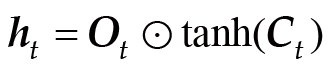
Two stacked LSTM layers were employed as the core temporal feature extractor. Through its gating mechanisms, the LSTM effectively captures long-term dependencies. The computation proceeds as Equations (2–7):(2)(3)(4)(5)(6)(7)where Ft, It, and Ot denote the outputs of the forget gate, input gate, and output gate, respectively; represents the candidate memory cell; Ct and Ct−1 are the current and previous memory cells; ht and ht−1 are the current and previous hidden states; σ is the sigmoid activation function; b denotes the bias term, and bf, bi, bo, bc are the bias vectors for the forget gate, input gate, output gate, and candidate memory cell, respectively; W denotes the weight matrix, and Wxf, Wxi, Wxo, Wxc represent the weight matrices for the forget gate, input gate, output gate, and candidate memory cell, respectively, and Whf, Whi, Who, and Whc denote the weight matrices from the hidden state to the forget gate, input gate, output gate, and candidate state, respectively; xt is the input at the current time step t; and ⊙ represents the Hadamard product.
To enhance the model's capability to focus on key information and features, a dual-attention mechanism is employed. The two attention modules are sequentially stacked after the LSTM layers to jointly perform adaptive selection and aggregation of temporal features.
(i) Feature attention
In the SOC estimation task, the four input features: voltage, current, temperature, and internal pressure—contribute unequally across different SOC regions and operating conditions. For instance, in the voltage plateau region, terminal voltage exhibits low sensitivity to SOC variations, which increases the relative importance of current and internal pressure. A feature-attention mechanism was therefore introduced to enable the model to adaptively learn dynamic weights for different features at each time step.
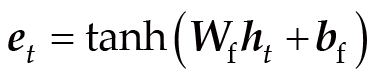
Let H[h1, h2, ……, ht]∈RL×d denote the hidden-state sequence output by the LSTM layers, where L is the number of time steps and d is the hidden-state dimension. At each time step t, the hidden state ht is mapped to the feature-attention space through a fully connected layer, as defined in Equation (8):(8)where et is the feature-attention hidden representation at time step t, is a trainable weight matrix, df is the attention hidden dimension.
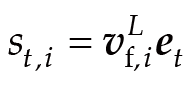
Subsequently, the feature-attention score is computed using another weight vector v, as shown in Equation (9):(9)where denotes the trainable weight vector for the i-th feature dimension.
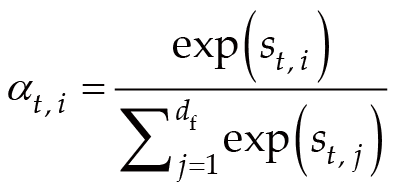
To obtain normalized feature-attention weights, the softmax function is applied across different feature dimensions at each time step, as shown in Equation (10):(10)where αt, i represents the attention weight of the i-th feature dimension at time step t, st, j represents the attention score of the j-th feature dimension at time step t, and st, i is the feature-attention score of the i-th feature dimension at time step t.
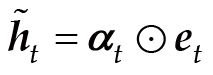
The weighted feature representation is then obtained via the Hadamard product, as given in Equation (11):(11)where ⊙ denotes the Hadamard product, αt is the feature-attention weight vector at time step t. The output sequence of the feature-attention module is denoted by .
(ii) Temporal attention module
Battery SOC is a dynamically evolving state variable that depends not only on the current input but also on historical states. The temporal-attention mechanism is designed to automatically identify and attend to the historical time steps most critical for the current estimation.
The hidden-state sequence weighted by the feature-attention module is fed into the temporal-attention layer. For each time step t, the temporal-attention score ut is computed as Equation (12):(12)where and are the trainable weight vector and matrix, respectively; denotes the feature representation at time step t after feature-attention weighting; btem is the bias term, and dtem is the temporal-attention hidden dimension.
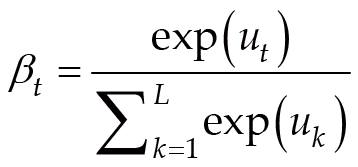
The softmax function is then applied to normalize the scores across all time steps, yielding the temporal-attention weights βt, as defined in Equation (13):(13)where uk denotes the score at the summation index k.
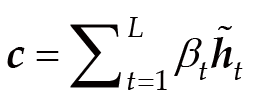
The weight βt reflects the relative importance of the hidden state at the t-th time step for the current SOC estimation. Finally, the hidden states of all time steps are weighted and summed according to their temporal-attention weights to generate a comprehensive context vector c, as shown in Equation (14):(14)
The context vector c aggregates the most critical information across the entire sequence, preserving the dynamic semantics of multiple features while emphasizing the contributions of key time steps.
A fully connected layer with a sigmoid activation function maps the context vector produced by the dual-attention module to the estimated SOC. The model was trained with the mean squared error (MSE) loss and Adam optimizer.
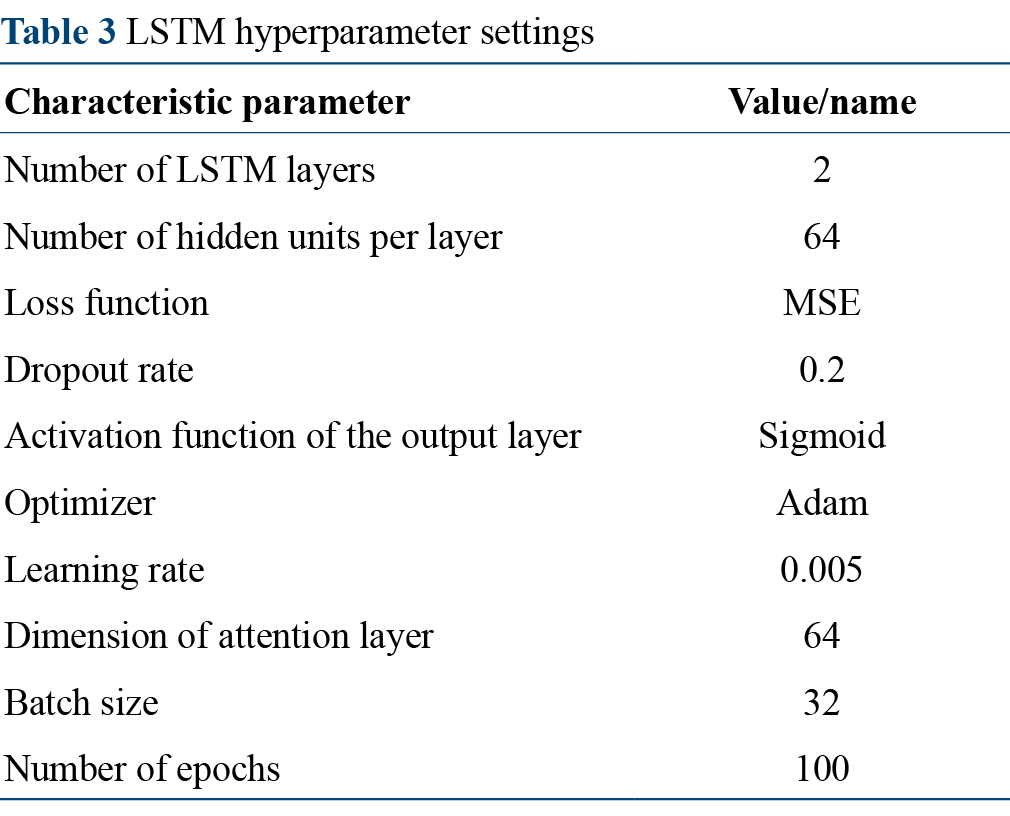
To determine the model architecture and key hyperparameters, a grid search was conducted using the validation-set root mean square error (RMSE) as the evaluation criterion. Specifically, the number of LSTM layers was chosen from {1, 2, 3}, the number of hidden units from {32, 64, 128}, and the dropout rate from {0.1, 0.2, 0.3}.
The results indicate that a single LSTM layer is insufficient for capturing long-term dependencies under complex operating conditions, whereas three LSTM layers, despite increasing model capacity, also lead to longer training times and a higher risk of overfitting. In comparison, two LSTM layers achieve a favorable balance between expressiveness and training stability. With 64 hidden units, the model effectively extracts temporal information from multi-source features such as voltage, current, temperature, and internal pressure; increasing this to 128 yields only a marginal reduction in validation error while increasing model complexity. A dropout rate of 0.2 effectively mitigates overfitting and ensures stable convergence. Accordingly, the configuration consisting of two LSTM layers, 64 hidden units, and a dropout rate of 0.2 was adopted. The final hyperparameter settings are summarized in Table 3.
To verify the effectiveness of the internal pressure signal P as an auxiliary signal for SOC estimation, the simultaneous variations of voltage, internal pressure, and temperature with SOC under a 25℃, 0.5C pulse condition are presented in Figure 2. In the typical flat voltage plateau region of LFP batteries (SOC approximately 20%–80%), the terminal voltage varies by only about 4.8%, indicating poor SOC discriminability. In sharp contrast, the internal pressure signal P and temperature exhibit a continuous and distinguishable variation trend over the entire SOC range, as shown in Figure 2A–C.
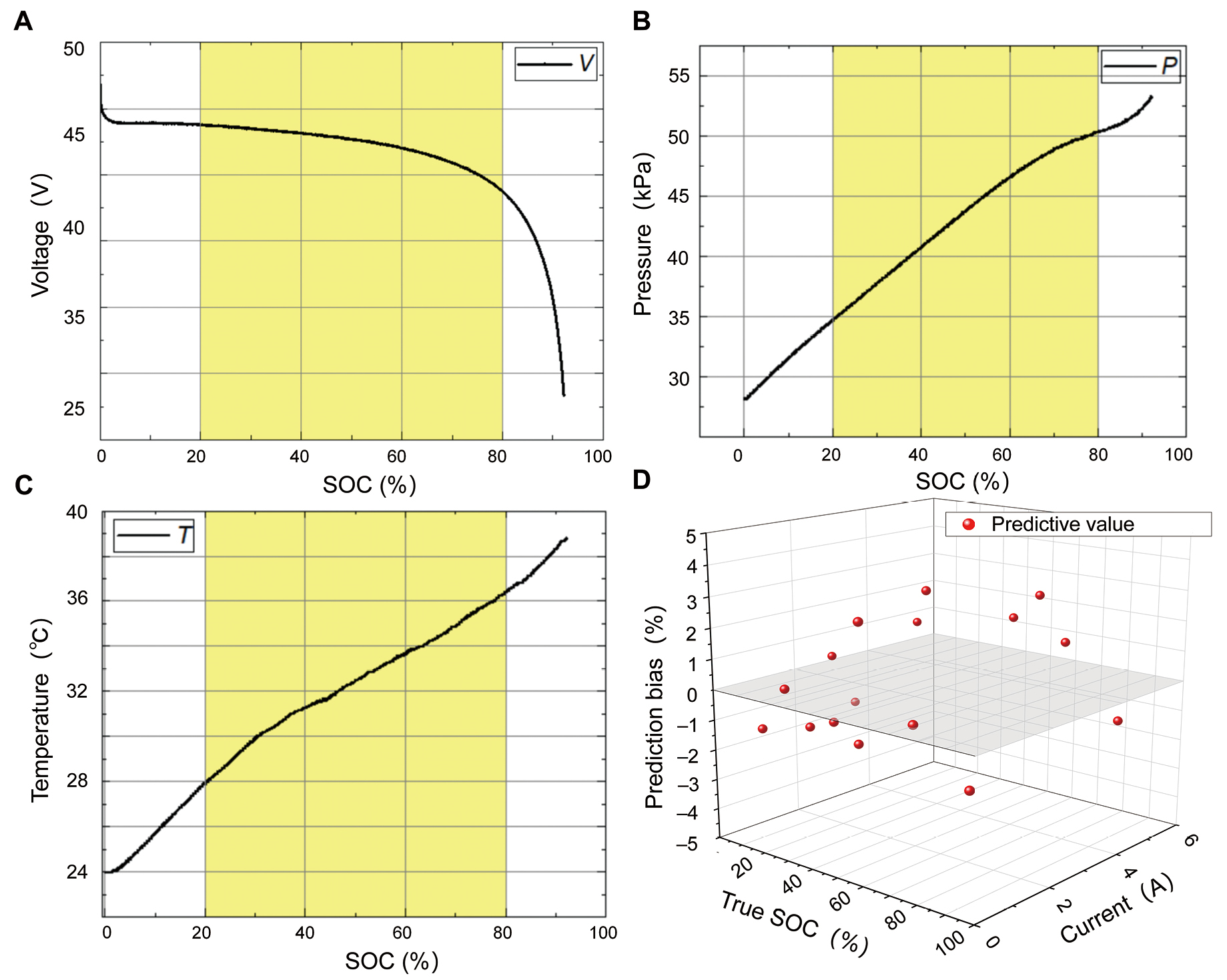
Further analysis of the scatter plot between internal pressure and SOC reveals an approximately monotonic relationship in the plateau region. This relationship originates from coupled electrochemical-mechanical processes: lithium insertion and extraction in the electrode materials during charge and discharge induce periodic expansion and contraction of the active material lattice, which alters the stress on the inner wall of the battery casing and ultimately manifests as macroscopic internal pressure variations. Notably, the gradient of P remains significant throughout the voltage plateau, providing direct experimental evidence that this complementary feature can help overcome the SOC estimation bottleneck inherent to LFP batteries. Because temperature also influences internal pressure, both temperature and raw internal pressure were used as input features, enabling the model to learn the pressure–SOC mapping while accounting for thermal effects. This joint input strategy lays the foundation for adapting the model to wide-temperature operating conditions.
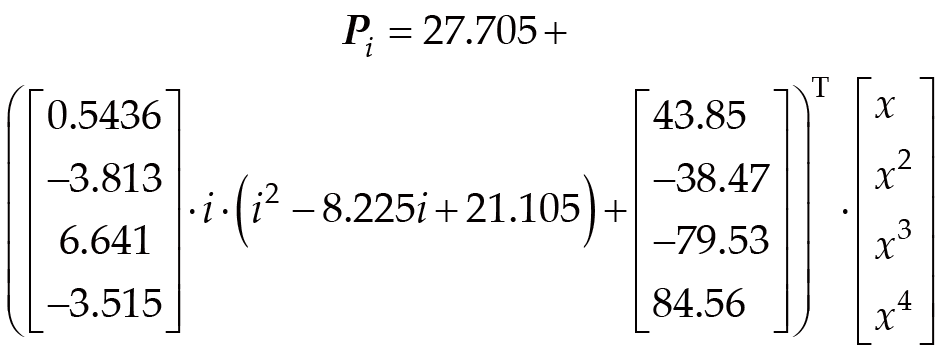
To further illustrate the limitations of conventional methods that rely only on static internal pressure mapping, three-dimensional polynomial surface fitting was adopted as a conventional static baseline. After removing the influence of temperature under resting steady-state conditions, SOC and discharge current were used as input variables and internal pressure as the output variable to establish the SOC-current-pressure fitting relationship, as expressed in Equation (15):(15)where x denotes the battery SOC, i denotes the discharge current, and Pi denotes the internal pressure value under discharge current i.
The prediction results are shown in Figure 2D. Although this method can capture the relationship between internal pressure and SOC at a fixed temperature, it inherently neglects dynamic temporal information during charge-discharge operation and relies on a predefined polynomial form, making it inadequate to describe the complex nonlinear variations encountered during practical battery operation. Moreover, the model requires separate parameter fitting for different temperatures and thus lacks adaptability to varying thermal conditions. Consequently, while the polynomial baseline confirms the existence of a static pressure–SOC relationship, it cannot satisfy the requirements of SOC estimation under wide-temperature dynamic operating conditions. This further underscores the necessity of introducing dynamic temporal models such as LSTM.
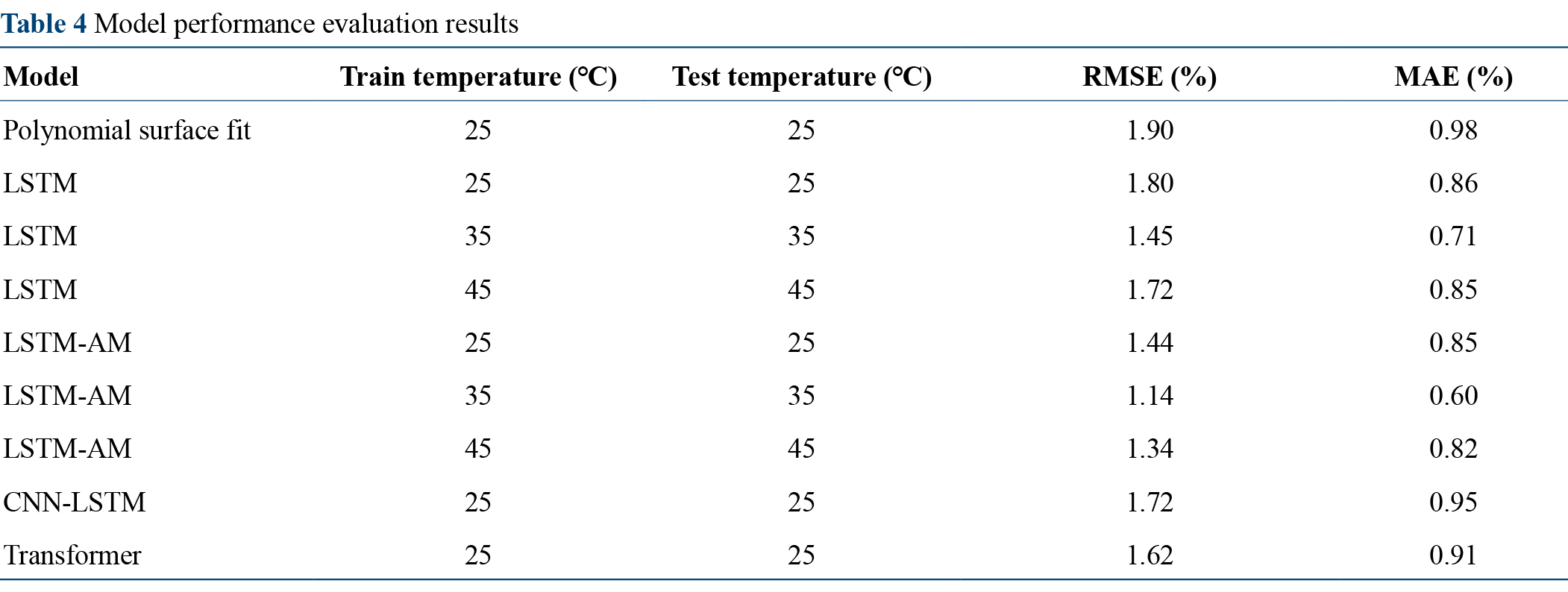
To further verify the advantage of the proposed LSTM-AM model over conventional static methods, the polynomial surface fitting model and the LSTM-AM model were evaluated on the same test set. As shown in Table 4, under the single-temperature static condition, the LSTM-AM model achieved a 24% reduction in RMSE and a 13% reduction in mean absolute error (MAE) compared with the polynomial model, and its r2 value was closer to 1. These results indicate that even in a relatively simple static mapping scenario, the LSTM-AM model, owing to its stronger nonlinear representation capability, outperforms conventional fitting methods based on manually specified functional forms. More importantly, SOC estimation in practical applications is typically conducted under dynamic charge-discharge and varying-temperature conditions, whereas the polynomial model ignores historical temporal information and requires parameter refitting for each temperature, hindering its adaptability to complex dynamic environments. Temporal models such as LSTM are therefore necessary to learn the dynamic mapping between multi-source input features and SOC.
The performance of the LSTM-AM model was evaluated on test sets at 25℃, 35℃, and 45℃. Comparisons were also conducted with the transformer and CNN-LSTM models at 25℃. Figure 3A presents the estimated SOC against the true values over a full cycle for a standard LSTM at 25℃, while Figure 3B–D displays the LSTM-AM results at 25℃, 35℃, and 45℃, respectively. Figure 3E, F shows the corresponding results for the CNN-LSTM and transformer models at 25℃. The estimated SOC curve of the LSTM-AM closely follows the true curve, tracking SOC accurately even under challenging conditions, such as the voltage plateau region and large current transients, with no appreciable lag or drift.
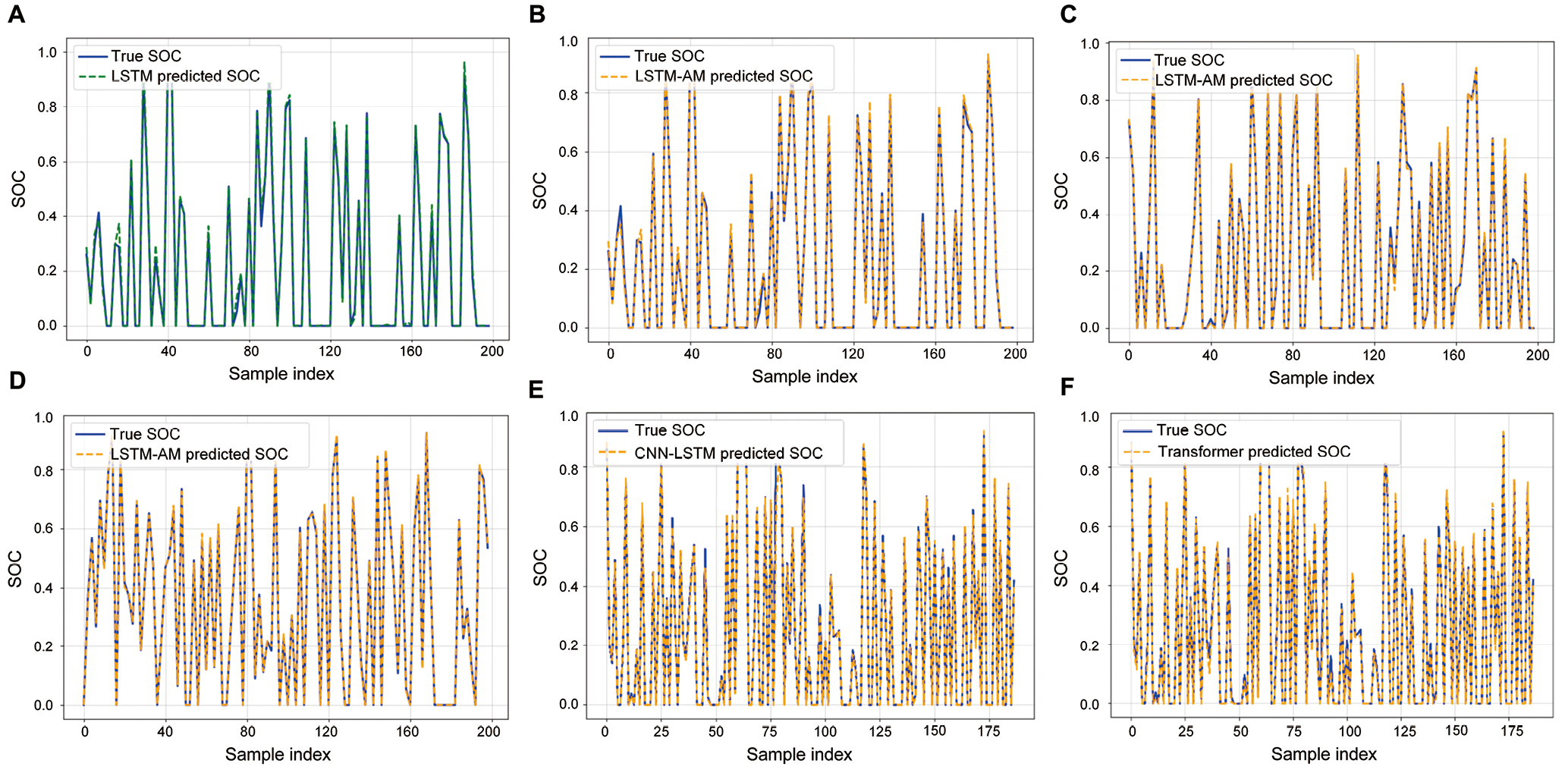
The error metrics are summarized in Table 4. The RMSE of the LSTM-AM model remains below 1.5%, and its MAE is below 1% across all three temperatures. The model performs best at 35℃, because this temperature is close to the optimal operating point of the battery. At 25℃ and 45℃, the performance fluctuates slightly but remains excellent.
To validate the dual-attention mechanism, the proposed LSTM-AM was compared with an identical LSTM model without attention layers. As shown in Table 4, with the attention mechanism incorporated, the RMSE at 25℃ drops from 1.80% to 1.44% (a 20.0% reduction). At 35℃, it drops from 1.45% to 1.14% (a 21.4% reduction), and at 45℃, from 1.72% to 1.34% (a 22.1% reduction). This consistent improvement across temperatures demonstrates that adaptively weighting key features and historical states is universally beneficial, enhancing not only accuracy but also tracking stability in the voltage plateau region and during large current transients.
To further evaluate the stability of the model estimates, error histograms and cumulative distribution curves were constructed for the 25℃, 35℃, and 45℃ test sets. Figure 4A–D presents the error histograms for the LSTM baseline without attention at 25℃ and for the LSTM-AM model at 25℃, 35℃, and 45℃, respectively. The errors approximately follow a normal distribution centered near zero, and more than 99% of the samples exhibit an absolute error below 3%. This indicates that the model is free of systematic bias and achieves high prediction consistency.
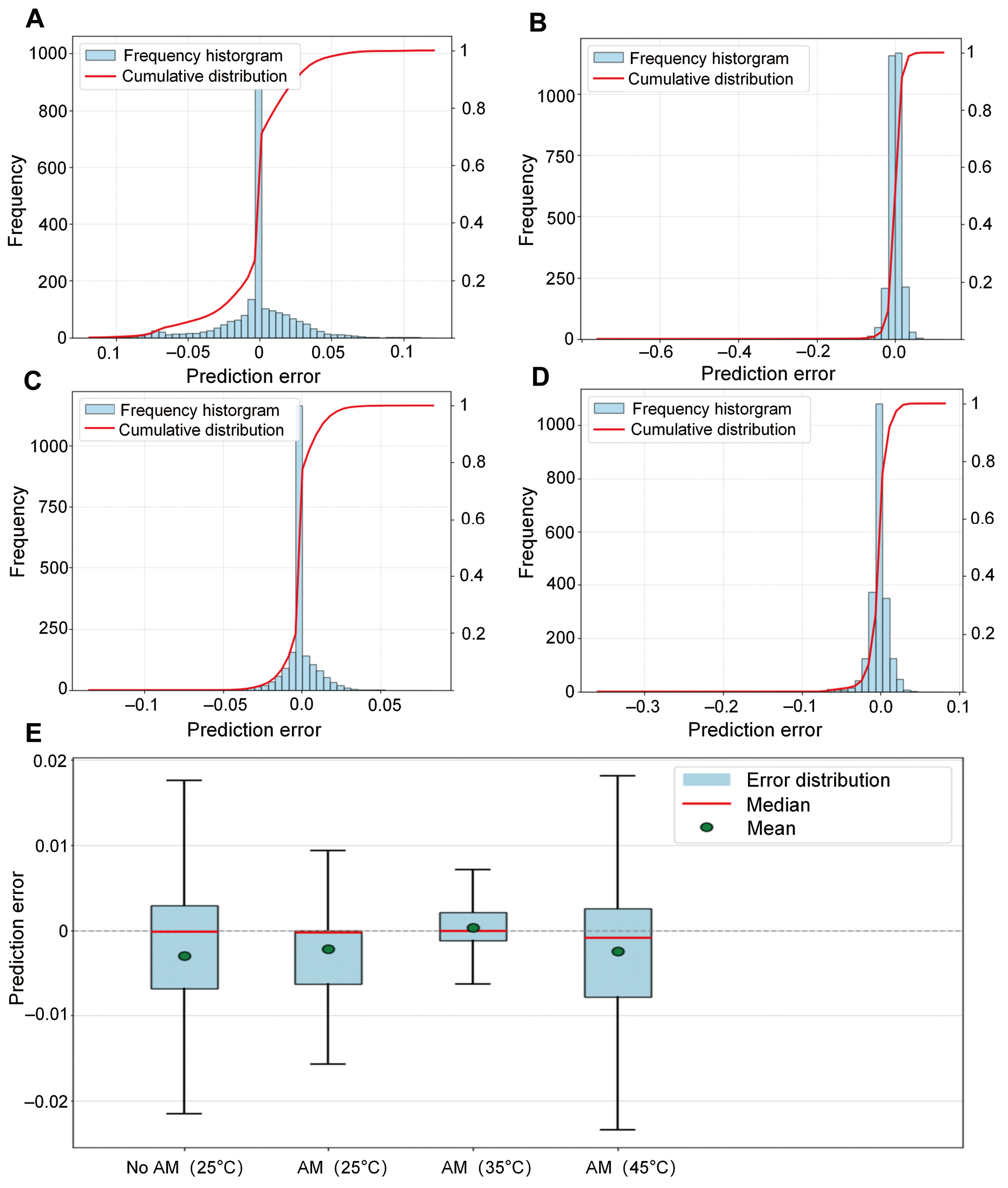
Figure 4E compares the error distributions before and after the incorporation of the attention mechanism. The LSTM-AM model exhibits a median error closer to zero, a narrower dispersion range, and fewer outliers. This confirms that the attention mechanism effectively improves both robustness and estimation accuracy by focusing on key information. The slightly broader error distribution observed at 45℃ can be attributed to the increased nonlinearity of the battery at high temperatures, where the relationships among SOC and the voltage, current, and pressure features become less stable due to intensified side reactions, larger pressure fluctuations, and a more ambiguous SOC mapping. Nevertheless, the errors remain within an acceptable range.
To further verify the cross-domain generalization performance, the pre-trained LSTM-AM model was evaluated on the NASA lithium-ion battery public dataset and compared with three baselines: LSTM, CNN-LSTM, and transformer. The NASA dataset contains 504 complete discharge cycles from three 18650 LFP batteries (B0005, B0006, and B0007) at room temperature. The recorded signals include voltage, current, temperature, and average internal pressure (one constant value per cycle). Since the NASA dataset does not provide a temperature-pressure calibration curve, the raw average pressure value was used as an input feature. All models were first pre-trained on the 25℃ dataset, then fine-tuned using only the first 10% of the NASA samples and tested on the remaining 90%.
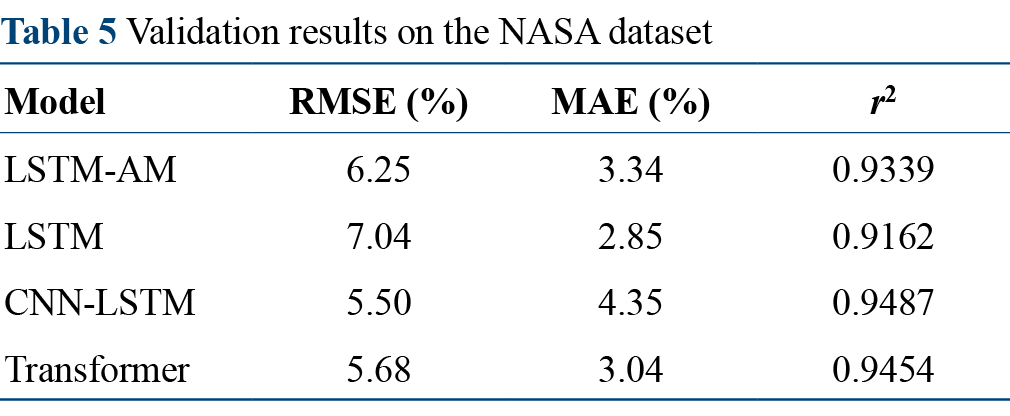
Figure 5 compares the SOC estimation results of the four models on 200 randomly selected test points from the NASA dataset. Figure 5A–D corresponds to the fine-tuned LSTM-AM, LSTM, CNN-LSTM, and transformer, respectively. Table 5 summarizes the RMSE, MAE, and r2 for each model.
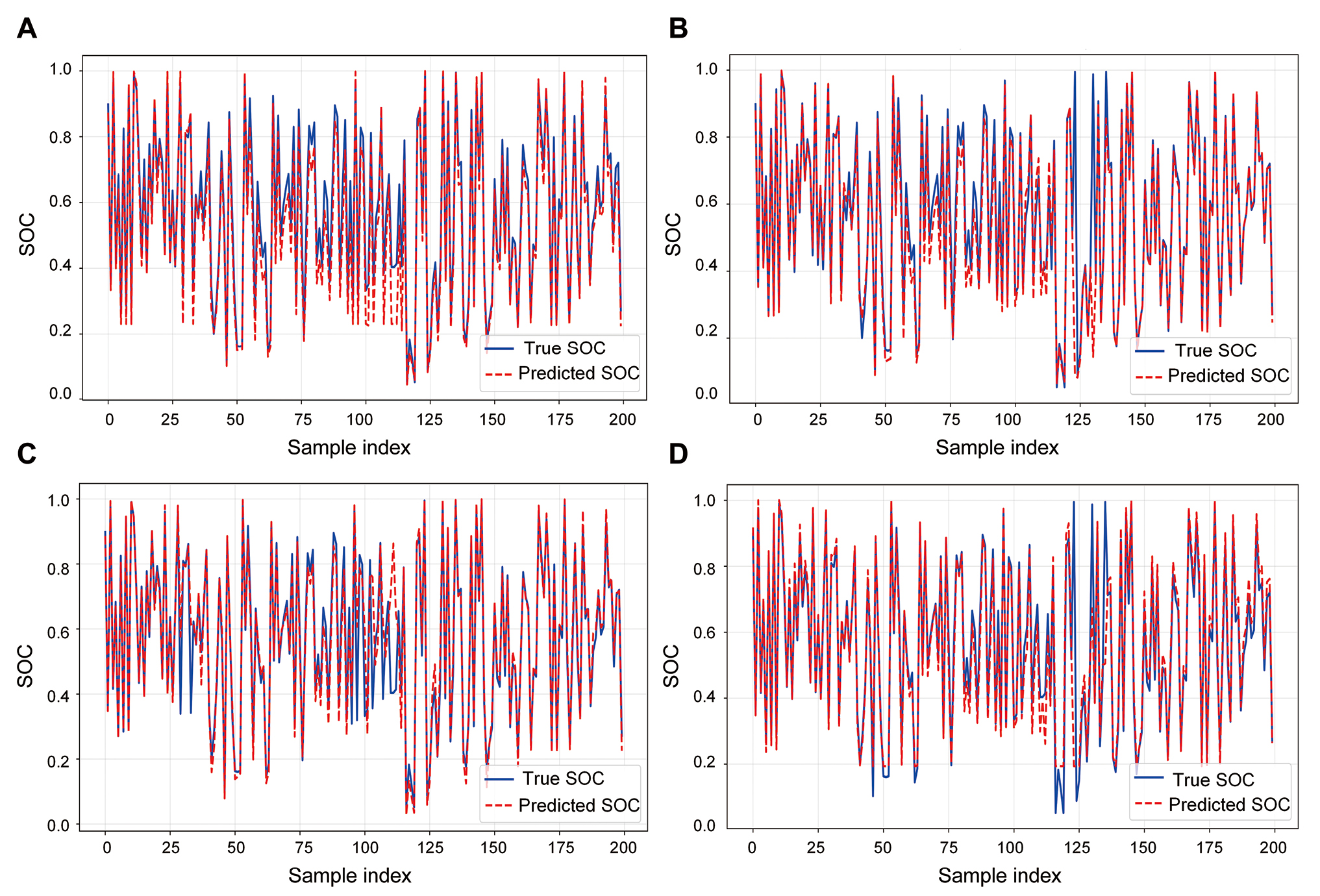
The SOC estimation errors of all models on the NASA dataset are significantly higher than those on our own data. This discrepancy is primarily attributed to differences in battery chemistry and capacity, the transition from pulse discharge to continuous discharge profiles, and the limited availability of pressure information. A comparison among the models reveals that the LSTM-AM achieves an RMSE of 6.25%, outperforming the standard LSTM's 7.04% with a 11.2% relative reduction. This confirms that the dual-attention mechanism can effectively identify key features and time steps in cross-domain scenarios. The RMSE values of CNN-LSTM and transformer are slightly lower than that of LSTM-AM; the three models exhibit comparable MAE and r2. This suggests that when feature information is incomplete, the choice of deep temporal architecture has less impact on accuracy than feature completeness. Nevertheless, LSTM-AM has a clear interpretability advantage over CNN-LSTM and transformer because its attention weights can measure the contribution of each input feature across many SOC regions, offering clear explanations of model behavior.
It is worth noting that the validation error on the NASA dataset is substantially higher than that obtained on the in-house dataset (RMSE 1.44 %). This increase is primarily attributed to the loss of detailed internal pressure information and differences in current signal characteristics. Subsequent ablation experiments have demonstrated that removing internal pressure P increases RMSE by 0.72 percentage points, while removing the current I leads to catastrophic performance degradation. The NASA dataset provides only a single average pressure value per cycle, and the current signal distribution differs due to the different battery capacities; this accuracy drop is therefore expected. Even so, the LSTM-AM maintains an r2 above 0.93 using only voltage, temperature, and a coarse average pressure, indicating that the model can automatically extract robust SOC-related temporal features from multi-source signals rather than relying solely on internal pressure. This also suggests that in practical deployment, when accurate temperature-compensated internal pressure signals are unavailable, the model can be quickly adapted to a new battery system and operating conditions by fine-tuning with a small number of target-domain samples.
Ablation experiments were performed on the 25℃ dataset to quantify the contribution of each input feature. Using the full four-feature LSTM-AM model as a baseline, individual features were removed one at a time. The results were shown in Figure 6 and Table 6.
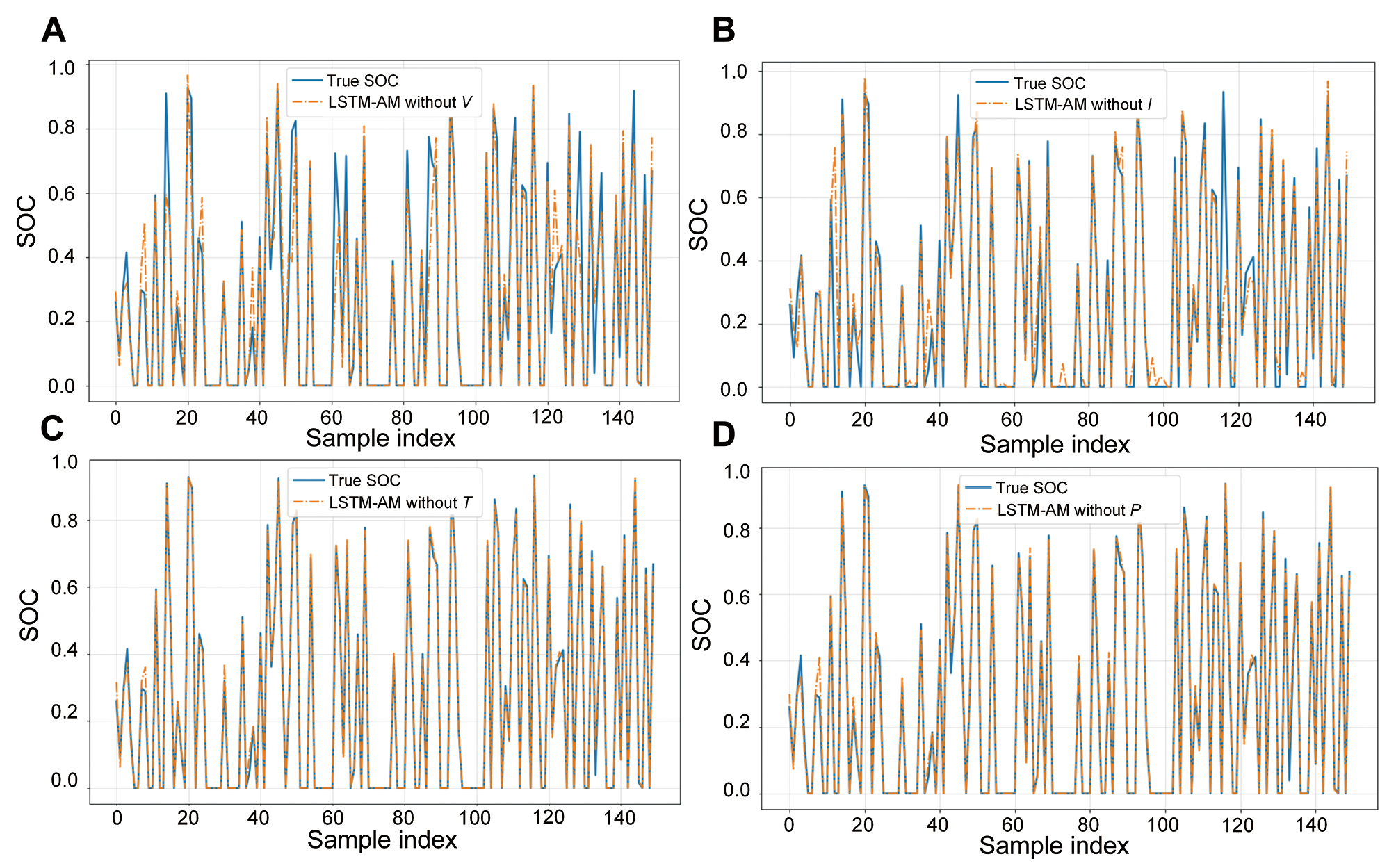
The experimental results demonstrate that electrical signals constitute the primary inputs for SOC prediction, and the removal of voltage or current leads to severe performance degradation. Temperature also plays a significant role; excluding the temperature feature increases the RMSE by 0.34 percentage points. Removing internal pressure increases the RMSE by 0.72 percentage points, corresponding to a relative increase of 50%. Although this contribution is smaller than that of electrical signals, the improvement provided by internal pressure is a meaningful, supplementary gain.
This indicates that even when accurate electrical and thermal features are available, the internal pressure signal P still contributes unique information that enhances estimation accuracy. In the voltage plateau region, internal pressure P supplies independent and complementary SOC-identification information that cannot be supplied by terminal voltage alone.
The model's adaptability to unknown temperatures was systematically evaluated using the two strategies described in Section 2.2.1. The cross-temperature boundary test, a zero-shot limit evaluation, involved training solely on 25℃ data and testing directly on the complete 35℃ and 45℃ datasets. The results are summarized in Table 7.
The zero-shot RMSEs reache 7.88% at 35℃ and 17.95% at 45℃, representing a substantial degradation relative to models trained on the full datasets at those temperatures. This performance drop reveals the fundamental impact of temperature domain shift on purely data-driven models: the coupling relationships among internal pressure, temperature, and SOC undergo structural changes that hinder generalization from 25℃ samples alone. Nevertheless, these results establish a valuable benchmark, quantifying the actual influence of temperature shift and confirming the necessity of domain adaptation for cross-temperature deployment. In practice, a seasonal or regional calibration strategy could be employed to adapt the model using only a small number of samples. The domain adaptation validation yields a very different outcome. After pre-training on full 25℃ data and fine-tuning with the first 15% of target temperature data, the model performs excellently. The LSTM-AM achieves an RMSE of 1.55% at 35℃ and 1.97% at 45℃. These results are very close to those obtained by training on the full target temperature datasets. This confirms that the temporal features and attention patterns learned at 25℃ are highly transferable and that only a small amount of target-domain data is required to achieve high estimation precision.
This study proposed an LSTM network that integrates internal pressure features with a dual-attention mechanism to address the difficulty of SOC identification in the LFP battery voltage plateau and the degradation of estimation accuracy under wide-temperature conditions. The effectiveness of the method can be examined at three levels. At the feature level, internal pressure, as a new physical observation, reflects internal electrochemical-mechanical processes and provides supplementary information in the plateau region. At the model level, the LSTM captures the dynamic temporal relationships between multi-source signals and SOC, outperforming traditional static fitting methods. At the architecture level, the feature and temporal attention mechanisms focus on key input variables and important historical time steps, thereby improving both accuracy and interpretability.
The main contributions are threefold. First, a multi-physics feature integration method is proposed that uses measured internal pressure alongside voltage, current, and temperature to compensate for the insufficient information provided by conventional electrical signals. Second, an interpretable dual-attention LSTM architecture is constructed, in which the attention mechanisms adaptively select key variables and historical segments, enhancing the transparency of the deep learning model. Third, systematic experimental validation was conducted. The proposed model achieves RMSEs of 1.44%, 1.14%, and 1.34% at 25℃, 35℃, and 45℃, respectively. Ablation experiments confirm that internal pressure uniquely improves performance, with its removal causing a 0.72% increase in RMSE. Cross-temperature domain adaptation with only 15% target samples yields RMSE of 1.55% (35℃) and 1.97% (45℃). Cross-domain validation on the NASA public dataset, using 10% target samples for fine-tuning, achieves an RMSE of 6.25% and an r2 of 0.9339. This outperforms the standard LSTM (7.04%) and demonstrates the effectiveness of the dual-attention mechanism for cross-domain generalization.
In summary, the proposed LSTM-AM framework incorporating internal pressure signals effectively improves the accuracy and robustness of LFP battery SOC estimation under wide-temperature dynamic conditions. It offers a feasible approach for battery state estimation based on multi-physical information fusion.
From an engineering application perspective, the introduction of internal pressure sensing inevitably increases hardware cost and system integration complexity.
However, in the voltage plateau region, this additional cost yields a significant RMSE reduction of approximately 0.72% compared with the baseline without pressure features, which is particularly valuable for safety-critical applications requiring high-precision SOC estimation, such as energy storage power stations and electric vehicles. To facilitate practical deployment, future work will explore low-cost, miniaturized pressure sensing solutions based on Micro-Electro Mechanical System (MEMS) technology to reduce intrusiveness and overall system cost. Future efforts will also expand the temperature range to cover low-temperature environments and different aging states, and will investigate the integration of MEMS-based pressure sensors into practical battery management systems.
Wenju Ren: Conceptualization; software; writing– original draft. Maolin Guo: Methodology; investigation; validation; software. Jie Yang: Data curation; visualization. Chang Liu: Resources; validation. Sheng Lu: Formal analysis; resources. Taixiong Zheng: Project administration; supervision; writing – review & editing.
This work was supported by Chongqing Special Project for Technological Innovation and Application Development (Grant No. CSTB2025TIAD-qykjggX0018).
The data that support the findings of this study are available from the corresponding author upon reasonable request.
Additional supporting information can be found online in the Supporting Information section.
Y. K. Hu, Y. F. Xie, L. Y. Zhao, et al., "AI-Enabled Cross-Scale Modeling and Parameter Transfer for Lithium-ion Batteries," Energy Storage Materials 89 (2026): 105222, https://doi.org/10.1016/j.ensm.2026.105222.
E. Sandrucci, S. Brutti, and F. Marini, "Chemometric Models and Electrochemical Techniques for Studying the Health of Li-Ion Batteries: A Review," Journal of The Electrochemical Society 173, no. 10 (2026): 100504, https://doi.org/10.1149/1945-7111/ae6893.
G. Liu, X. Tong, W. Ma, et al., "A Robust Non-Linear Method for the State-of-Health Estimation for Lithium-Ion Batteries Based on Dissipativity Theory for Electric Vehicle Applications," Multiscale and Multidisciplinary Modeling, Experiments and Design 7, no. 3 (2024): 2773–2781, https://doi.org/10.1007/s41939-023-00359-2.
L. S. Kham and N. Aunsri, "Bayesian Filtering Techniques for State of Charge and State of Health Estimation in Lithium-Ion Batteries for Electric Vehicles: Methods, Challenges, and Future Directions," Applied Energy 417 (2026): 128015, https://doi.org/10.1016/j.apenergy.2026.128015.
A. E. Alias and T. George, "Intelligent Estimation of Lithium-Ion Battery SOC and Temperature under Uncertainty: A Hybrid Approach for High-Performance Electric Vehicle Applications," Energy Technology 14, no. 3 (2026): e202502574, https://doi.org/10.1002/ente.202502574.
Y. Xu, J. Shi, X. Liu, et al., "Investigation of the Thermal Management Performance of a Lithium-Ion Battery Pack Using a Layered Cascaded Phase Change Coupled Dynamic Heat Transfer Model," Journal of Energy Storage 155 (2026): 121475, https://doi.org/10.1016/j.est.2026.121475.
Z. Li, H. Ni, W. Zhu, et al., "Adaptive SOC-OCV Mapping-Based Joint Estimation of SOC and SOH in Aging Lithium-Ion Batteries Using Extended Kalman Filtering," Journal of Power Electronics 26, no. 1 (2025): 1–13, https://doi.org/10.1007/s43236-025-01064-8.
R. Wang, B. X. Zhou, M. Li, and Z. H. Rao, "Dynamic Modeling of Lithium-Ion Batteries with Mechanism-Based and Data-Driven Approach," Journal of Energy Storage 156 (2026): 121684, https://doi.org/10.1016/j.est.|2026.121684.
K. X. Li and J. L. Li, "Feature Selection and State of Health Estimation Based on Segmented Voltage Data of Lithium-Ion Batteries," Journal of The Electrochemical Society 173, no. 12 (2026): 120508, https://doi.org/10.1149/1945-7111/ae73f4.
Y. Du, D. Liu, and Y. Song, "Remaining Useful Life Prediction of Lithium-Ion Battery Packs Using Prior Cell Degradation and Limited Pack-Level Data," Energy 360 (2026): 141948, https://doi.org/10.1016/j.energy.2026.141948.
N. K. Rajalwal, R. K. Upadhyay, D. Ghosh, and B. Khan, "Hybrid Support Vector and Gaussian Process Regression Approach for Secondary-Life State-of-Health Estimation of Lithium-Ion Batteries," Electric Power Systems Research 259 (2026): 113294, https://doi.org/10.1016/j.epsr.2026.113294.
J. Zhu, C. Peng, H. Lai, et al., "A Novel Aggregation Modeling Method for Lithium-Ion Batteries Based on Artificial Intelligence and Digital Twin," Energy 358 (2026): 141345, https://doi.org/10.1016/j.energy.2026.141345.
R. Ahmed, M. S. Hossen, N. T. Tithi, et al., "Role of Deep Learning in Battery Management System (BMS) for Electric Vehicles – A Review," Energy Reports 15 (2026): 109028, https://doi.org/10.1016/j.egyr.2025.109028.
X. Qiu, Y. Luo, and S. Wang, "A Method for Reconstructing the Charging Voltage Curve of Lithium Batteries Based on a Deep Time-Series Prediction Framework," Thermochimica Acta 762 (2026): 180384, https://doi.org/10.1016/J.tca.2026.180384.
Y. Li, R. Wang, Y. Jin, et al., "A Novel SOC Estimation Method for Lithium-Ion Batteries Based on Serial LSTM-UKF Fusion," Energies 19, no. 6 (2026): 1467, https://doi.org/10.3390/en19061467.
C. Tang, Z. Wei, H. Wang, H. Rong, Z. Wang, and J. Wu, "Remaining Useful Life Prediction of Lithium-Ion Batteries Using a Denoising Autoencoder and an Interval Attention LSTM Network," Engineering Research Express 8, no. 9 (2026): 095318, https://doi.org/10.1088/2631-8695/ae6045.
Z. Sun, W. Ye, Y. Mao, and Y. Sui, "A Hybrid CNN–LSTM–Attention Mechanism Model for Anomaly Detection in Lithium-Ion Batteries of Electric Bicycles," Batteries 11, no. 10 (2025): 384, https://doi.org/10.3390/batteries11100384.
B. Han, B. Q. Shi, H. M. Xie, and Y. L. Kang, "Evolution of Electrochemically Induced Stress and Its Effect on the Lithium-Storage Performance of Graphite Electrode," Science China Technological Sciences 66, no. 6 (2023): 1784–1796, https://doi.org/10.1007/s11431-022-2298-7.
C. Chang, X. Ye, X. Li, A. Tian, F. Mei, and J. Jiang, "Lithium-Ion Battery Electrochemical-Thermal-Mechanical-Impedance Coupling Model and Voltage-Impedance Dual-Objective Parameter Identification Method," Journal of Energy Storage 152 (2026): 120748, https://doi.org/10.1016/j.est.2026.120748.
 Top
Top