ContentsFigures & Tables
The concept of digital twin (DT) was first introduced by Professor Michael Grieves at the University of Michigan [1]. DT technology leverages data from physical models, sensor updates, and operational history, integrating multi-disciplinary, multi-physical, multi-scale, and multi-probability simulation processes. These processes are mapped within a virtual space, providing a comprehensive reflection of the full life cycle of the physical equipment.
Each cell ages differently for lithium batteries due to variations in usage environment and conditions. Therefore, real-time modeling of each specific cell is necessary to accurately reflect its state [2]. Researchers aim to utilize DT technology to construct models that closely mirror the physical entity of the battery by extracting operational data and environmental information, enabling co-evolution with the physical entity. Li et al. [3] developed a cloud battery management system based on the concept of Internet of Things and cloud computing. They transmitted vehicle battery data to a Raspberry Pi via the controller area network (CAN) protocol, and then used the message queuing telemetry transport (MQTT) protocol to transfer the data to the cloud. In the cloud, they used an adaptive H-infinity filter and particle swarm optimization to estimate the state of charge (SOC) and state of health (SOH) of battery. Wang et al. [4] proposed a cloud-side-end collaborative network system optimized for battery management systems, introducing key technologies such as a DT model based on the network battery management system (BMS) architecture, and battery state estimation and balancing. This system used online learning and model updating techniques to overcome the shortcomings of using fixed model parameters in traditional BMS, enabling fine-grained safety management of batteries throughout their entire lifecycle. Tang et al. [5] proposed a DT system to realize the monitoring of battery voltage, temperature and current, as well as the real-time estimation of battery SOC, in response to the problems such as the difficulty of BMS data sharing, the weak data processing capability, and the limited data storage capacity. Most of the current studies and explorations mainly focus on remote battery management such as SOC and SOH state estimation with the help of cloud computing and other technologies. The DT models deployed in the cloud are mostly based on physical descriptions, such as equivalent circuit models and electrochemical models. Maintaining the accuracy of such models often requires complex identification of the working conditions to obtain the parameters, which is difficult to achieve in real battery usage. The challenging issues of high-fidelity modeling and parameter updating, high-confidence simulation prediction, and high real-time data interaction for DT models [6] still need to be further explored and researched. Consequently, this paper will focus on constructing a DT model that accompanies the full life cycle evolution of lithium batteries.
Currently, the commonly used battery models include, equivalent circuit models, electrochemical models, and data-driven models [7]. Equivalent circuit models use a circuit structure to describe the operating state of the battery, and consist mainly of resistive and capacitive components. The simplest equivalent circuit model is the "R int" model, which consists of a voltage source and a constant equivalent internal resistance [8]. The Thevenin model adds the RC loop to describe the polarization effect of the battery [9]. At the same time, by increasing the number of RC loops in the Thevenin model, the second-order, third-order, and nth-order improved Thevenin models are formed. Generally speaking, the higher the model order, the more accurate the characterization of the operating characteristics of the battery, but too high an order will make the model more complex and the identification of parameters more difficult. The equivalent circuit model of the battery is computationally efficient and relatively simple to design. However, since the model only uses electrical components to simulate the battery, it cannot accurately describe the complex internal reactions of the battery.
Electrochemical models describe the battery charging and discharging behavior at the mechanism level by describing a series of electrochemical reactions inside the battery. The electrochemical models mainly include the pseudo two-dimensional (P2D) model and the single particle (SP) model, as well as their derivatives. The P2D model was first established by J. Newman et al. [10], which assumed that the positive and negative electrodes were composed of multiple spherical particles and accurately described the electrochemical process inside the battery with high accuracy. However, the parameters of the P2D model are numerous and difficult to identify. And it contains a large number of nonlinear equations, which makes the calculation process very complicated. As a simplification of the P2D model, the SP model assumed that the electrode characteristic behavior could be described by a single particle. Compared with the P2D model, SP model has higher computational efficiency, but the model accuracy is reduced. In order to balance the computational complexity and accuracy of the model, a series of derived models have been proposed to improve the computational efficiency by downscaling and simplifying the P2D model [11, 12], or to complement the SP model to tune the simulation accuracy [13, 14].
The data-driven approach uses machine-machine learning methods such as neural networks [15] and support vector machines [16] to establish the mapping relationship between model inputs and outputs using a large amount of historical data and external characteristic parameters of the battery. M. A. Abu-Seif et al. [17] proposed a lithium-ion battery modeling method based on one single profile of data using dynamic mode decomposition with control. Two models were proposed: a single state space model and a piecewise state space model, which are characterized by wide range of use, high reliability, fast computational efficiency, and small required memory space. Li et al [17,18] constructed a lithium-ion battery temperature-dependent model using stacked denoising self-encoder-extreme learning machine algorithm, and the error of the estimated battery terminal voltage was within 2%. Although data-driven approaches usually provide high accuracy, such approaches require a large amount of data for training to capture the complex relationship between battery inputs and outputs. As data-driven models act as a black box system, they lack interpretability, which limits their use in certain applications. Also, these models are less transferable as their performance tends to be highly dependent on the characteristics of the training data.
Simultaneously, hybrid methods based on physics and data are garnering increasing attention, demonstrating unique advantages and potential in areas such as the construction of battery models, lifespan prediction, fault prediction, and health management [19, 20]. In terms of battery model prediction, Feng et al. [21] constructed an electrochemical-thermal-neural network model, utilizing a simplified single particle model and an integrated thermal model as sub-models of the electrochemical-thermal-neural Network to predict core temperature and provide an approximate terminal voltage. The performance of the sub-models was then enhanced through integrating a neural network. Tu et al. [22] combined the single particle with thermal dynamics model and nonlinear double capacitor model with feedforward neural network to construct two hybrid models, which maintained high prediction accuracy at wide range of rates. However, these hybrid models still employ a large amount of data for offline training, and model updates are only performed during the training phase. As the battery ages, the models are unable to capture the internal state changes of the battery, and the lack of adaptive adjustments to the models leads to a decline in prediction accuracy.
Incremental learning, a branch of machine learning, is designed to incrementally learn new information from real-time data streams [23]. Unlike traditional machine learning, incremental learning can adapt online to concept drift. Concept drift refers to the phenomenon where the statistical properties of the target variable change in unpredictable ways over time [24]. Traditional machine learning, which uses large amounts of data for offline training, is unable to address the issue of concept drift in prediction targets. If concept drift occurs, the patterns induced from past data may become irrelevant to new data, leading to suboptimal prediction and decision-making outcomes [25]. A similar phenomenon exists in battery modeling, where differences often occur due to the limited ability of the models to accurately represent the complexity of the system, and at the same time, the characteristics of the battery change as the battery ages, and if the model fails to adapt to these changes, the predictions of model will become less accurate over time. This is similar to concept drift in machine learning, where the model's performance degrades over time if it is not updated to reflect changes in the underlying data. Incremental learning, by continuously learning from real-time data, allows the model to adapt to concept drift without retraining the model from scratch.
As a complex system, the external characteristics of lithium-ion batteries are affected by aging conditions, operating environments, and usage scenarios. Mechanism-based electrochemical models and equivalent circuit models pose challenges in online recognition and parameter updating. While data-driven batteries rely on a large amount of training data, and at the same time, once deployed, they cannot be adapted online to concept drift of the battery during actual operation. To capture the state of the battery online and update it in time, a battery DT model with incremental learning is developed. The main contributions are as follows.
(1) A DT model that combines an improved single particle (SP+) model with aggregated mondrian forest (AMF) algorithm is developed. The model utilizes real-time monitoring data of lithium-ion batteries obtained from a cloud-based database to perform online model updating using the incremental learning capability of the AMF algorithm to achieve co-evolution over the full life cycle of the battery.
(2) The update of the DT model only requires the data stream generated by the battery during its normal working operation, which can adapt to concept drift online without affecting the battery usage, thus significantly reducing the complexity of data collection and processing, and making the model highly practical and scalable.
The rest of the paper is organized as follows. Section 2 describes the basic models and algorithms used in DT modeling, including simplified electrochemical model and incremental learning algorithm of AMF. Section 3 details the specific implementation of the DT model, including the framework of the DT, the online updating method for the cloud-based model, and the performance simulation predictions. Section 4 presents the experimental validation of the model and the subsequent analysis of the results. Finally, Section 5 provides a comprehensive summary of the paper.
The electrochemical model in this paper is established based on the following assumptions [26]:
In the liquid-phase diffusion process, the effect of non-uniform reaction distribution is ignored, and the reactive ion current density is approximated by the working current density on the electrode plate.
The physical properties are approximated by a single particle, and the parabolic profile is used to approximate the electrolyte and solid-phase concentration distribution according to the results of finite difference numerical calculations.
The governing equations of the two electrodes are the same, but they have different characteristic parameters.
The degree of reaction polarization is the same for both electrodes.
The influence of the internal battery temperature on the model parameters can be neglected at room temperature.
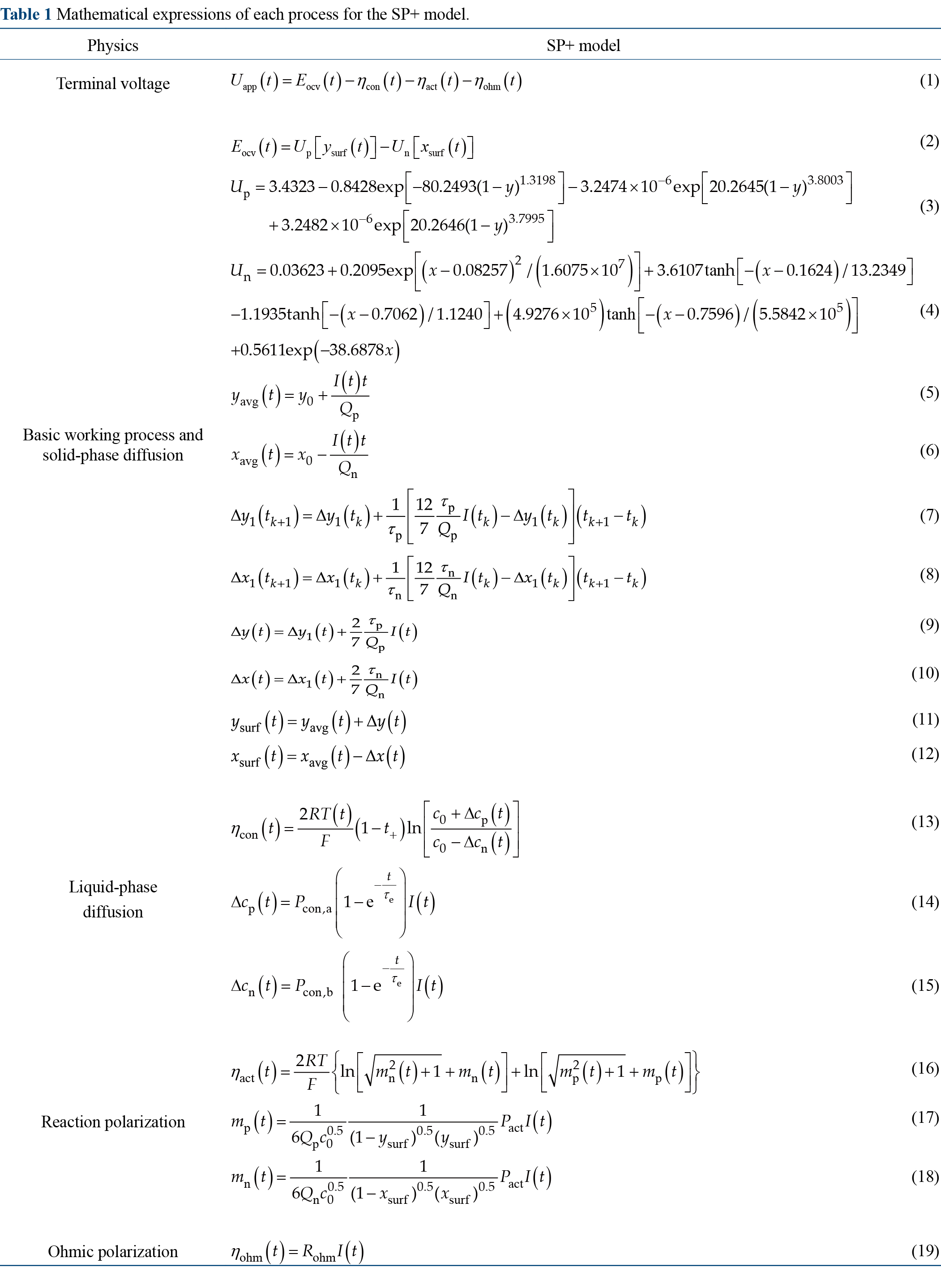
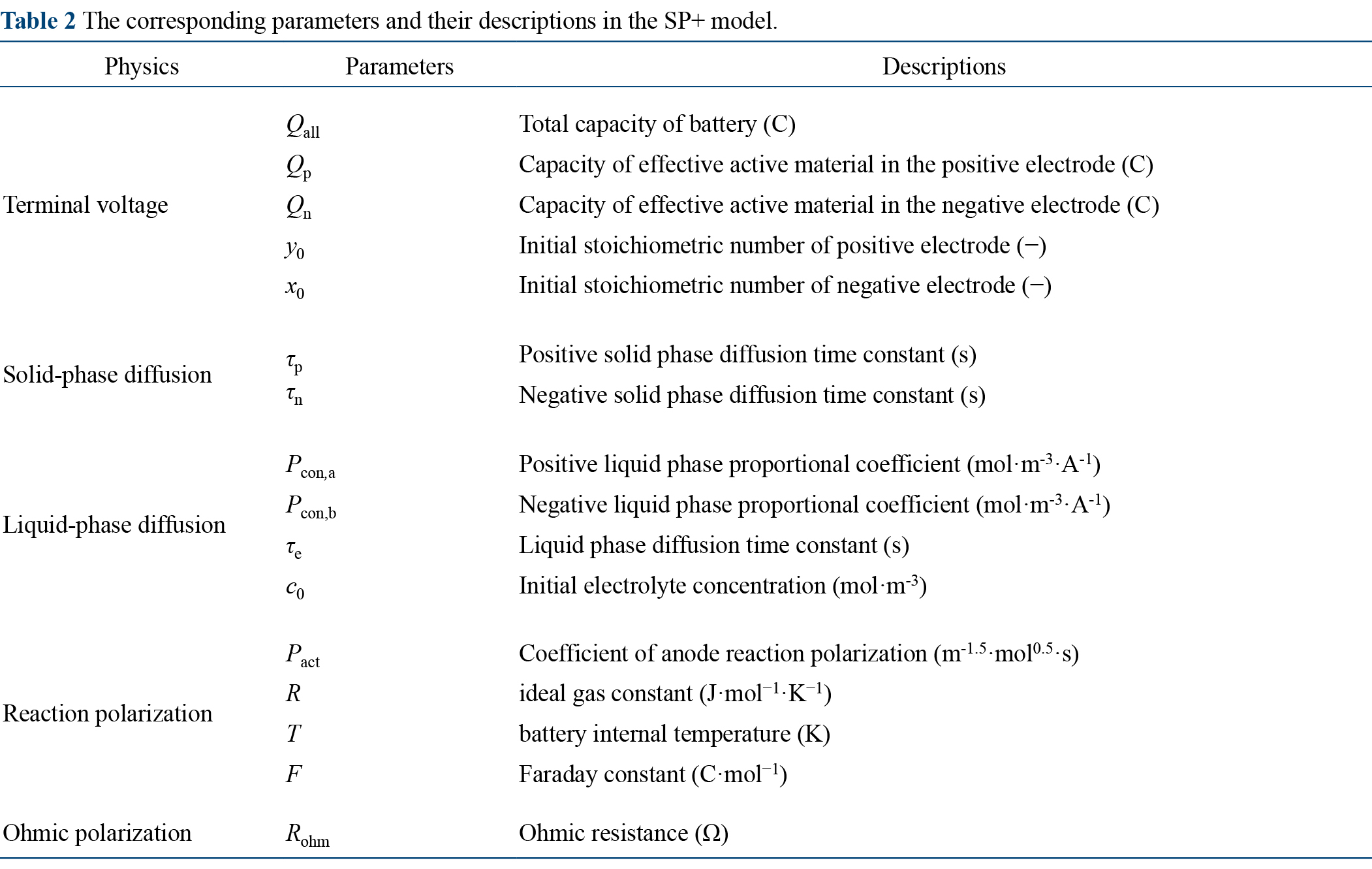
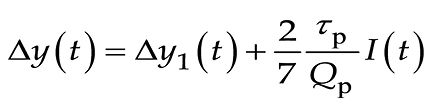
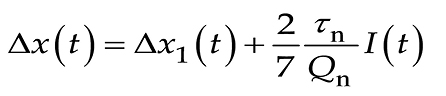
The mechanisms within the model are divided into four parts: basic working process and solid-phase diffusion, liquid-phase diffusion, reaction polarization, and ohmic polarization. These mechanisms correspondingly produce open circuit potential, concentration polarization overpotential, reaction polarization overpotential, and ohmic polarization overpotential. The mathematical expressions of the SP+ model related to each mechanism process are shown in Table 1. Detailed descriptions of the model parameters are shown in Table 2[26].
The AMF algorithm uses the Mondrian process to construct random tree partitions and employs an aggregation algorithm based on exponential weights to obtain predictions. All algorithm steps can be performed online, allowing for real-time partition updates and prediction function updates upon receiving new data. The following provides a main overview of the algorithm, primarily based on Ref. [27, 28].
Consider an incremental data regression problem. In this scenario, the dataset is not fixed. Instead, a sequence of independently and identically distributed pairs (x1, y1), (x2, y2),… and each time step t ≥ 1, a new sample point (xt, yt) is received, where xt∈RD and yt ∈R. The objective is to obtain a predictive function RD→R. Moreover, a new sample point is received each time, the algorithm can promptly update the predictive function, denoted as:(20)where is the predictive function at time t, x*∈RD is the input vector, and Πt is a random variable considering the randomization process. In the AMF algorithm, Πt represents the tree generated by the Mondrian random partition. Dt= {(x1, y1),…,(xt, yt)} is the dataset available at time t.
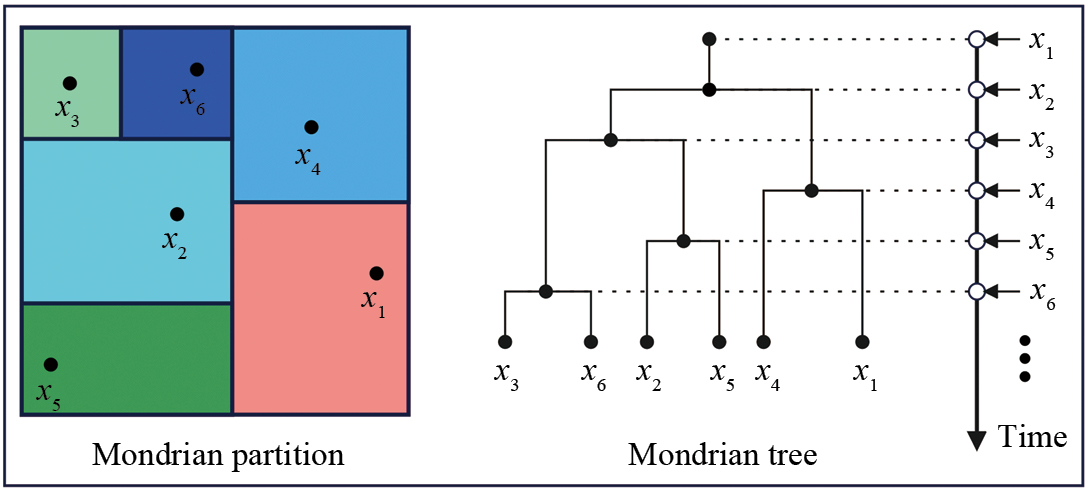
The Mondrian process involves partitioning an initial hyper-rectangular space Θ = [a1, b1]×…×[aD, bD] in RD using guillotine partitions. This partitioning is achieved through a hyperplane orthogonal to the coordinate axis, effectively dividing the hyper-rectangular space into two subspaces. By applying guillotine partitions within these subspaces, a hierarchical spatial partitioning can be obtained. The AMF algorithm leverages the recursive nature of the Mondrian process, updating the partitioning and the Mondrian tree upon the receipt of new samples. Each node v in the tree corresponds to a hyper-rectangular subspace within the feature space. Figure 1 gives an example of how to update a Mondrian partition and tree in two dimensions.
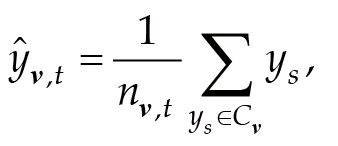
For each node v within the tree, the empirical mean forecaster is utilized to derive the predicted value at each node prior to time t:(21)
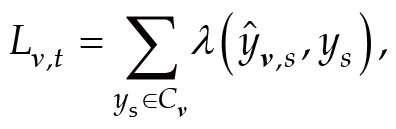
In this equation, nv,t denotes the quantity of sample points within node v before time t, Cv signifies the hyper−rectangular subspace corresponding to node v. ys represents the y value of sample points in Cv, before time t, the prediction of each node is assessed by computing the cumulative loss:(22)
where the loss function adopts the quadratic loss 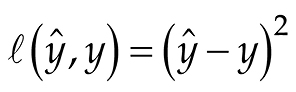 . For a given feature vector x* and any subtree of the current tree, is defined as the leaf node of that contains x*, then the prediction of subtree at time t for x* is given by the following equation:
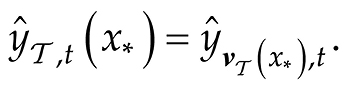 (23)
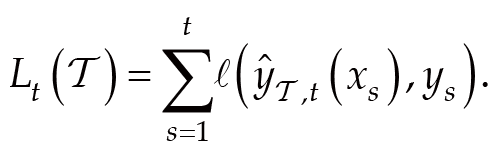
Simultaneously, the cumulative loss of subtree at time t is defined as(24)
For each Mondrian tree, its prediction function is given by the following equation:(25)
where η is the learning rate, which determines the degree of influence of the loss on the
subtree weight. The prior π on the subtree is defined by the probability distribution , where is the number of nodes in . Finally, suppose that there are M trees in the forest, all following the same random
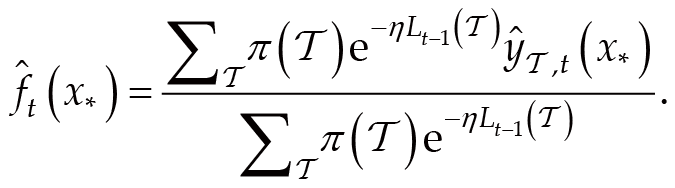
structure. For a given x*, the prediction value of each tree is represented as , The prediction value of the forest is given by the following equation: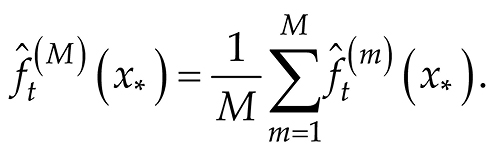 (26)
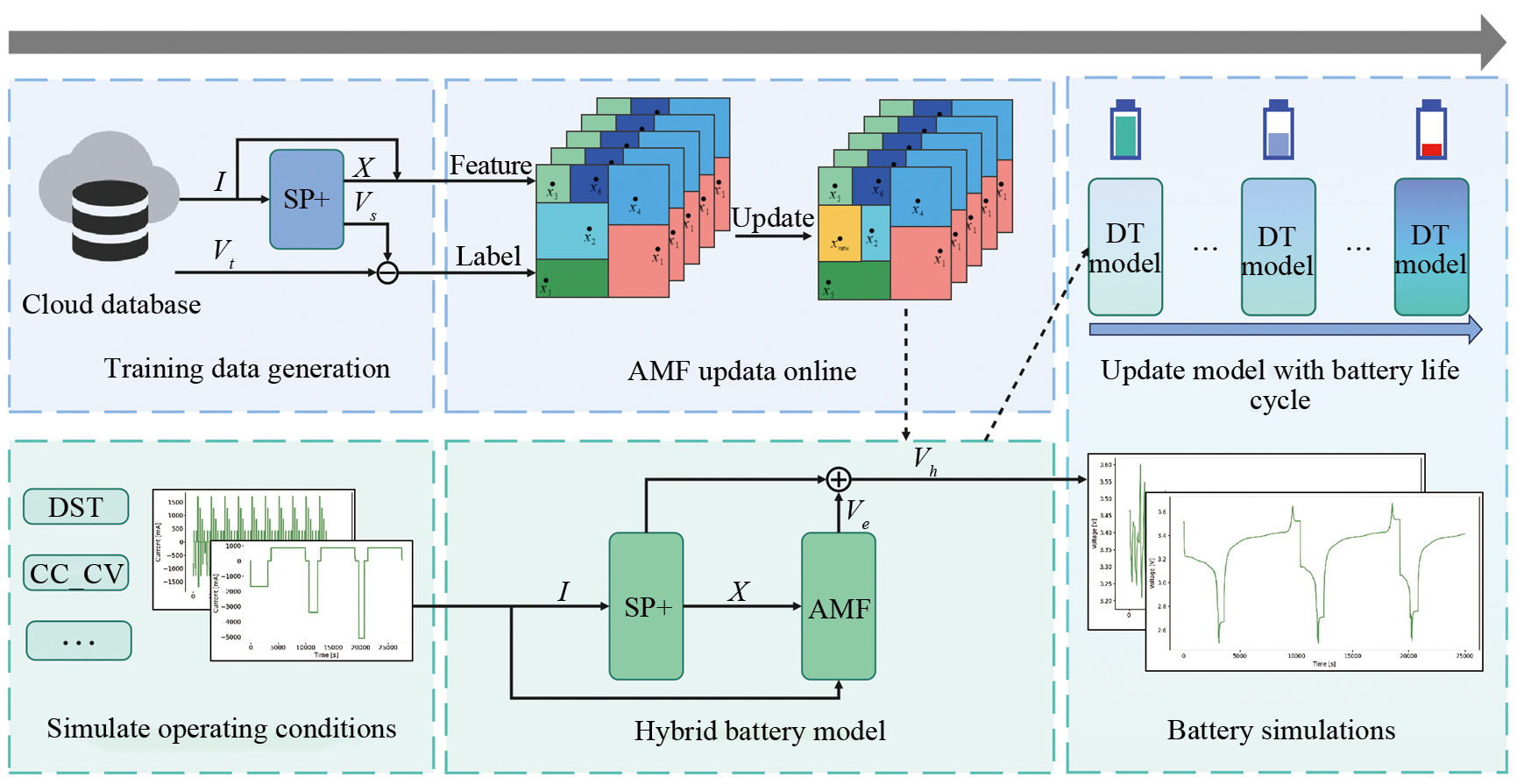
The accuracy of electrochemical model simulations is influenced by inherent assumptions and uncertainties in parameter estimation. In practical applications, each battery operates under different conditions, and it is challenging for electrochemical-based models to accurately capture the characteristic differences of each battery. To achieve high-precision mapping of DT for each battery, we employ the incremental learning algorithm AMF, introduced in Section 2.2, to correct the simulation errors of the electrochemical model throughout its entire lifecycle, thereby enhancing the predictive accuracy of the model. The internal state information X and current I of the SP+ model are utilized as inputs, the error Ve between the actual terminal voltage Vt and the simulated terminal voltage Vs of the SP+ model is set as the prediction target of the AMF regression model. Through training, the mapping relation X, I→Ve is established.
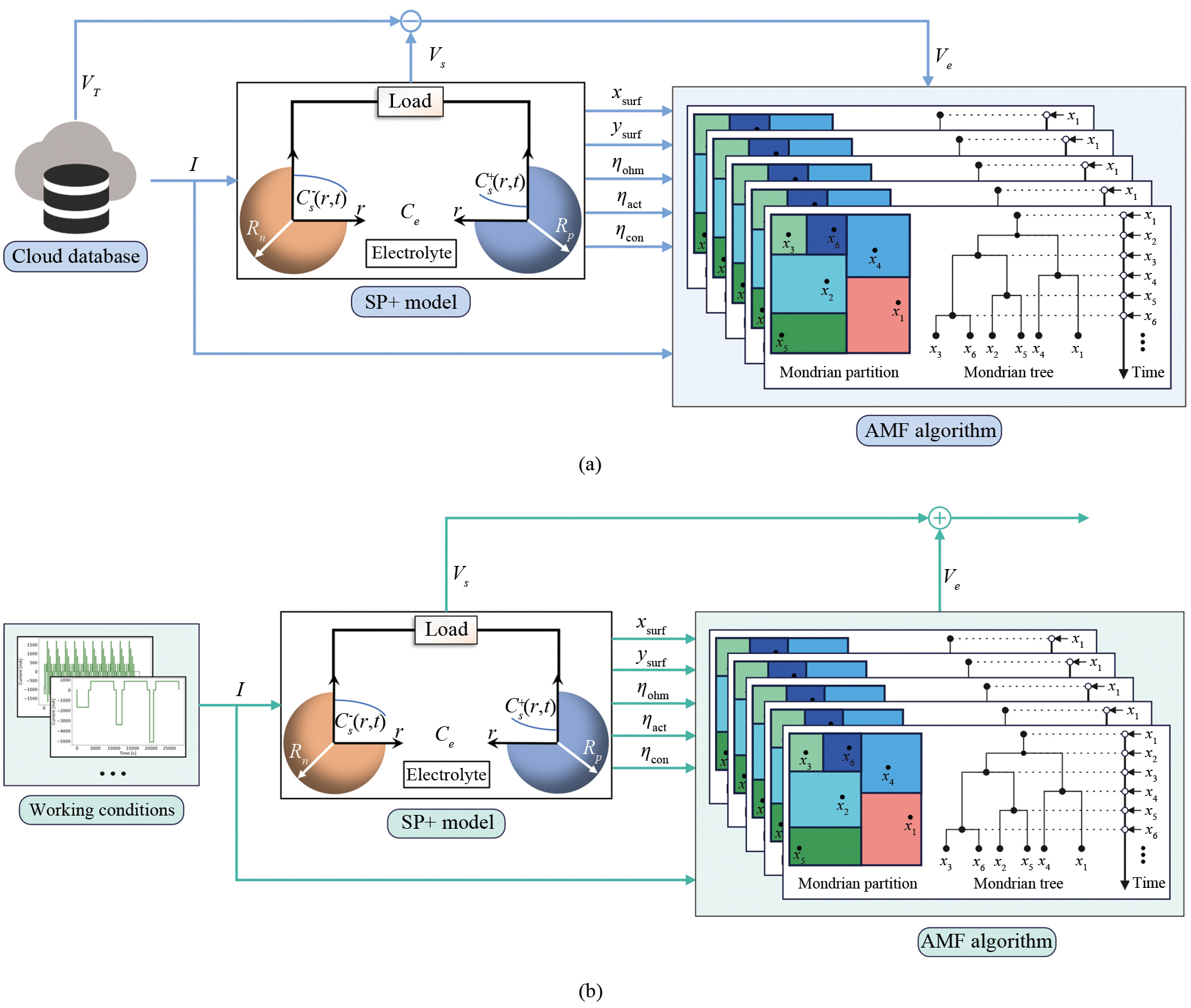
Figure 2 shows the overall framework of the DT model, which can receive real-time monitoring data of battery operation in the database, and pass external data into the SP+ model to obtain the features and labels required for training, and transmit these data to the AMF model in real time for incremental learning. At the same time, the model can simulate the corresponding working conditions according to the requirements during the training process. Considering the multifunctionality of the DT model, including remote monitoring and performance simulation, the model is deployed in the cloud to overcome the space and computational power limitations of edge computing. It is noteworthy that battery aging involves complex changes in the state space, and the battery data stream will inevitably produce concept drift over time. This necessitates the model to monitor battery data in real-time and update the model to adapt to concept drift. The AMF algorithm has the advantage of handling streaming incremental data, which means that whenever a new sample point is available, the model can promptly update the prediction function, and adapt to the concept drift of the data through the adjustment of the Mondrian tree structure and the aggregation of subtree weights.
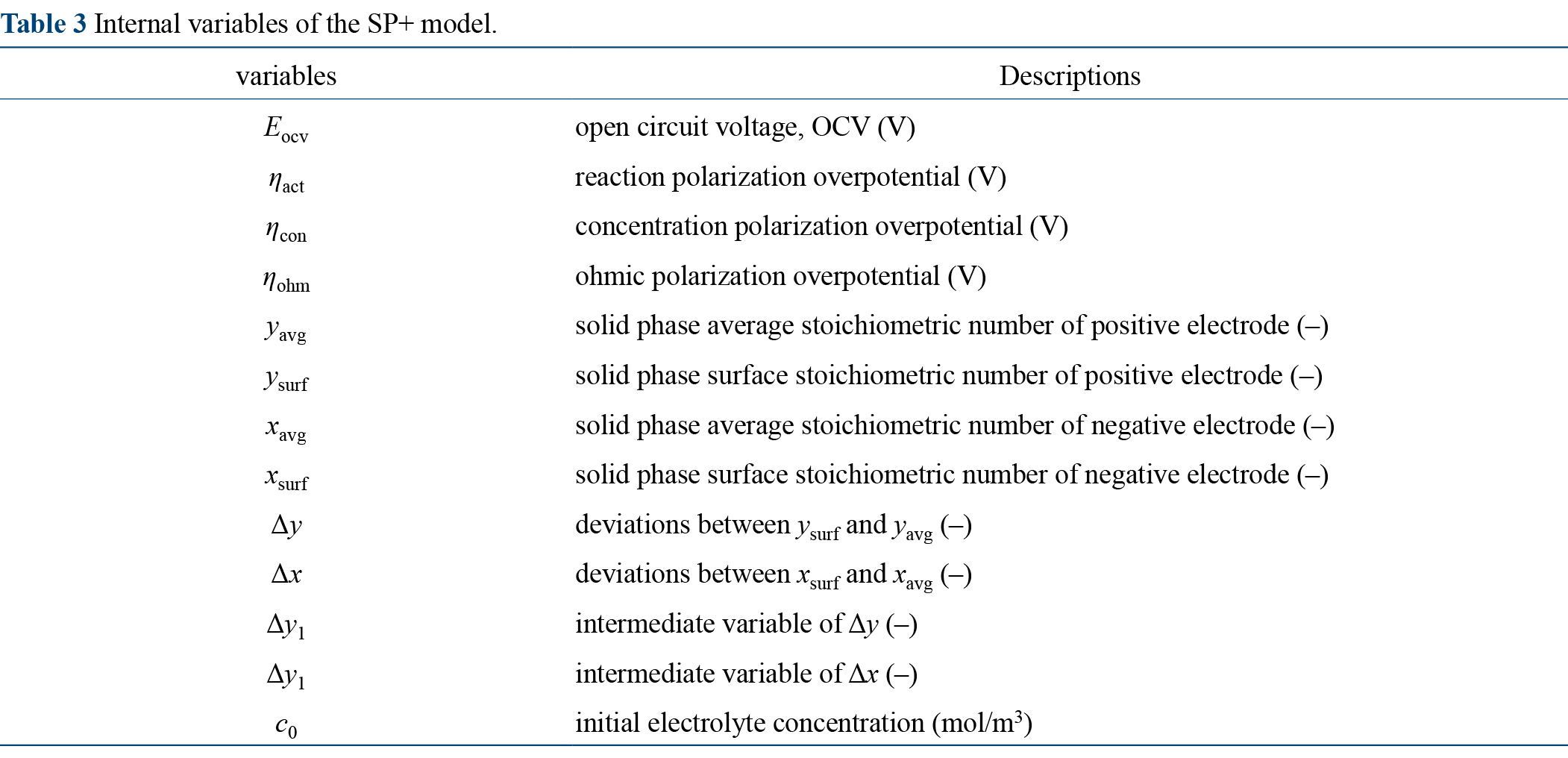
During the simulation process, the electrochemical model undergoes a sequence of electrochemical and physical transformations to compute the simulated terminal voltage. This process generates a set of state variables, from which the terminal voltage values are derived through their coupling. However, due to the dynamic nature of the internal parameters within an electrochemical model, accurately capturing the internal state variables of the model in real time presents a challenge. This difficulty impedes the precise simulation of terminal voltage. In the context of electrochemical models, the terminal voltage simulation error is produced by the coupling of the errors of each internal state variable. Therefore, selecting more internal eigenvalues aids the AMF in constructing a more accurate regression model. According to the terminal voltage (See Eq. (1)), the terminal voltage can be regarded as the open circuit voltage, reaction polarization overpotential, concentrated polarization overpotential, and concentrated polarization overpotential. Therefore, when selecting the training features, it is necessary to select internal variables that can represent the four parts to fully capture the internal state of the SP+ model. At the same time, through experimental verification, different feature selection is tested, and the results show that if the selected feature lacks a description of some mechanism, the predictive performance of the DT model will decline. However, choosing more features did not significantly improve the prediction performance compared to choosing only the four-part reaction polymerization variables xsurf, ysurf, ηact, ηcon, ηohm, and current I. On the contrary, too many features would lead to an increase in calculation and training costs. Therefore, considering the space occupation and simulation performance of the model, xsurf, ysurf, ηact, ηcon, ηohm, and I are finally selected as the training features of the model.
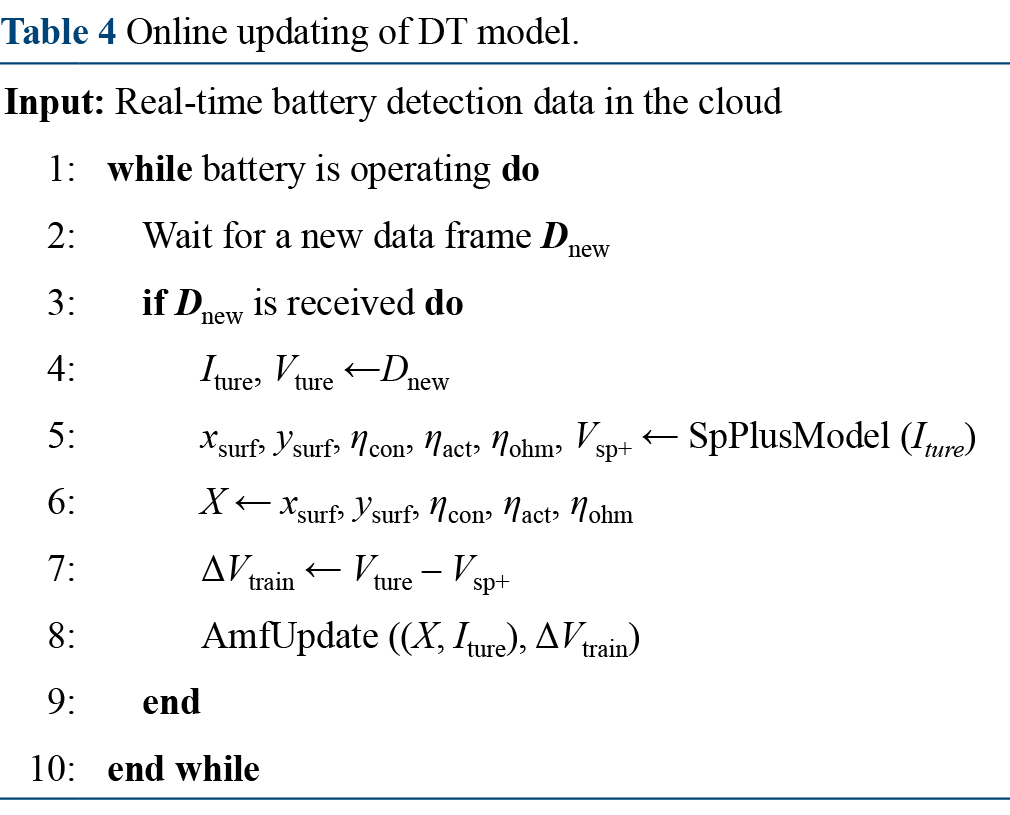
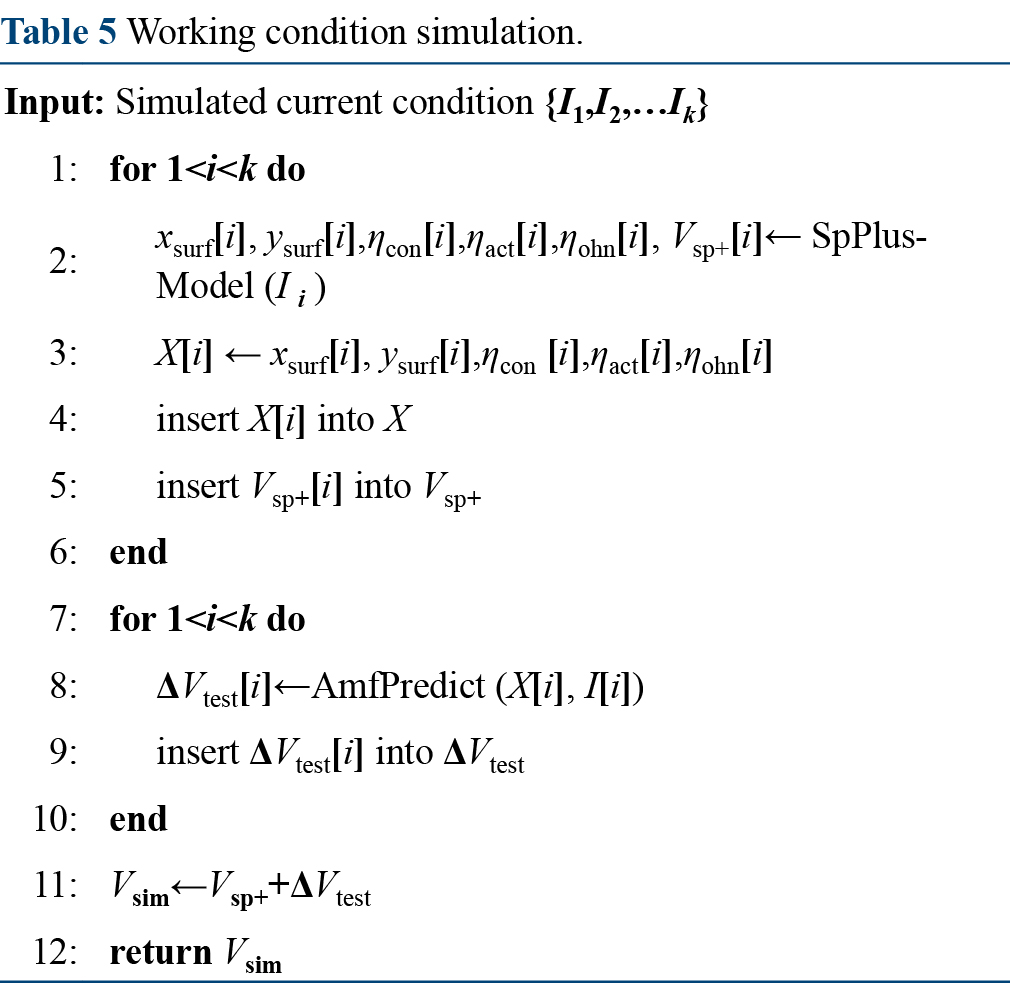
Significantly, the external data required for training our constructed hybrid model is composed solely of terminal voltage Vt and current I. The state information X within the SP+ model can be obtained by inputting I into the SP+. Consequently, upon receiving a frame of the latest voltage and current data monitored in the cloud database, the model can execute an iterative update, thereby ensuring the real-time performance and accuracy of the model. Concurrently, when simulating the battery performance is necessary, the current working condition required for simulation can be directly input into the hybrid model to simulate voltage. Figures 3 (a) and 3(b) respectively show how to update the model online and how to realize the model simulation under a given working condition. The corresponding implementation flow is given by Table 3 and Table 4, respectively.
An experimental validation of the DT model was conducted to verify its effectiveness. The setup for the experiment is as follows. Three 18650 cylindrical graphite-LiFePO4 batteries were subjected to aging cycles and performance tests at room temperature, with experimental data collected accordingly. The rated capacity of the battery is 1.7 A·h, and the operating range is set from 3.6 V to 2.5 V. The experimental current and voltage data were collected using a Neware battery tester, with a sampling frequency of 1 s and sampling errors of 0.1 mA and 0.1 mV, respectively. The aging cycle experiment is 1 C rate discharge and 0.5 C rate charge. If only the aging cycle data is used for training, the model will be poor in predicting other conditions. Therefore, after 20 aging cycle tests, the battery is tested twice in four working conditions: 1/2/3C and DST. The first test is used for the training of DT model to supplement the working conditions in the training set, and the second test is only used for the performance test of DT model and SP+ model. Evaluate the capacity of the battery after each performance test and end the experiment when it is less than 60%.
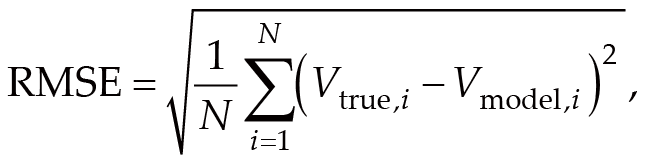
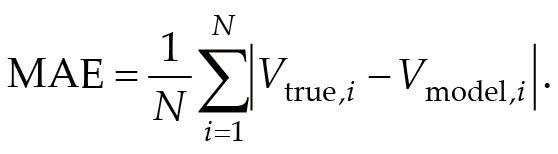
The MySQL database and DT model were deployed on a laptop with an Intel Core i5-11400H processor, 16 GB RAM, and an NVIDIA GeForce GTX 3050Ti graphics card. In the whole process of the experiment, the test data is transmitted to the database in real time for DT model training and updating. Since the data sampling frequency is 1 s, if all the data of the entire life cycle is used for aging training, the model will occupy a considerable amount of memory. Therefore, every 200 burned-in cycles, the model is reset to reduce the memory burden, and the adaptability of the DT model to access the model at any stage of the battery life cycle can be verified. In the experiment, we used root mean square error (RMSE) and mean absolute error (MAE) as the performance evaluation indexes of the model. which are defined as follows:(27)(28)
In the experiment, a total of 1800 aging cycles were conducted, with a condition characteristic test performed every 20 cycles, resulting in a total of 90 characteristic tests. Figure 4 compares the simulation errors of the SP+ model and the DT model among these 90 characteristic tests. Due to the lack of an aging process description in the SP+ model, it can be observed that the simulation error of the SP+ model shows an increasing trend with battery aging when the model parameters are not updated. In contrast, the DT model can receive the latest data for error learning, continuously updating the correlation between the internal state of the SP+ model and the simulation terminal voltage error. This allows the simulation performance to maintain high accuracy throughout the entire life cycle.
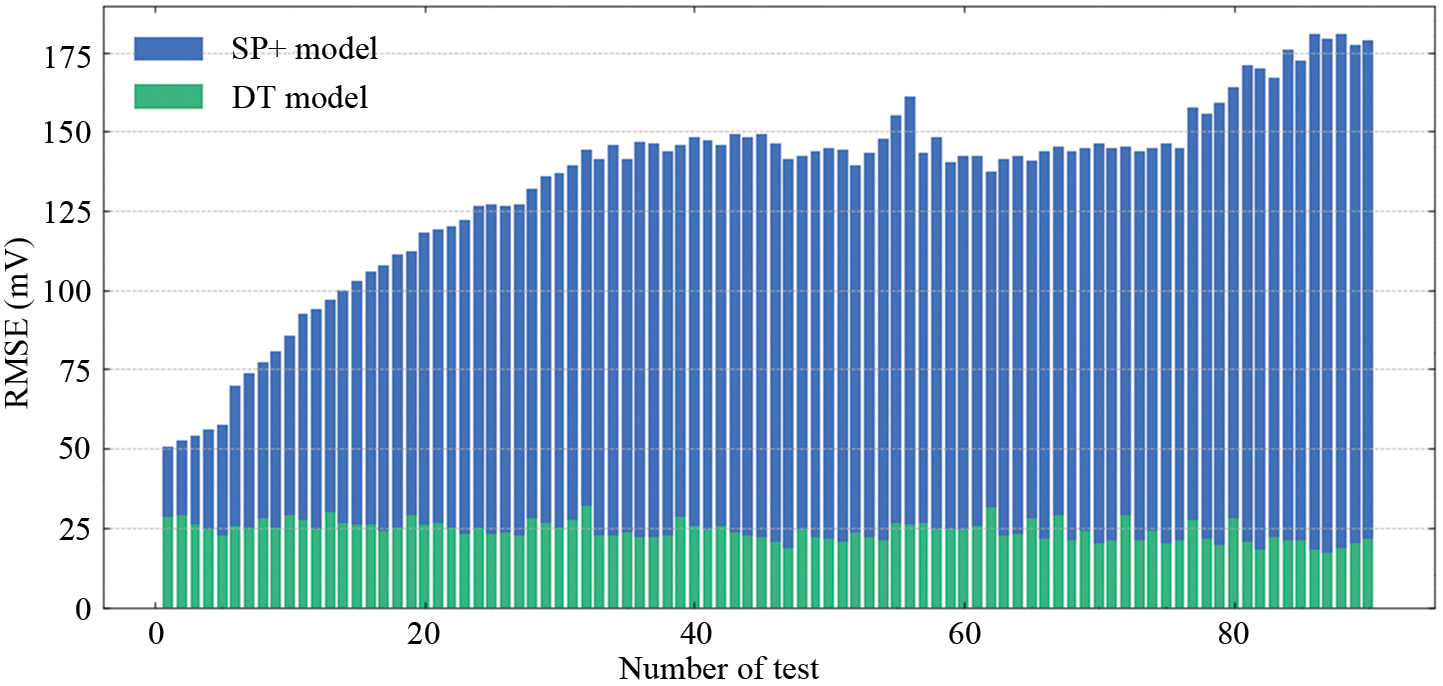
Figure 5 displays the simulation voltage curves of the two models in the early stage (the first characteristic test) and the late stage (the 90 th characteristics test) of the aging cycles. from the simulation results of the first characteristic test of SP+ model, it can be seen that although the battery has only undergone a few charge-discharge cycles, the error gradually increases, especially in the voltage plateau in the middle and later stages of continuous charge-discharge and the error in the rest stage after charge-discharge is relatively large. In contrast, the simulation error of the DT model at the corresponding positions is reduced. Furthermore, from the simulation results of the SP+ model in the 90 th characteristics test, it can be seen that since the actual change value of the model parameters has deviated far from the initial value, especially the four parameters of the basic working process, Qp, Qn, x0, y0 and the concentration ratio coefficient Pcon,a and Pcon,b that determines the battery voltage plateau, there are large deviations in the calculation of the open circuit voltage and overpotential, which in turn affects the simulation accuracy of the terminal voltage. In contrast, the DT model, without affecting the normal operation of the battery, continuously updates the error prediction function of the AMF using online data, calibrates the calculation of the terminal voltage, and ensures the accuracy of the battery performance simulation.
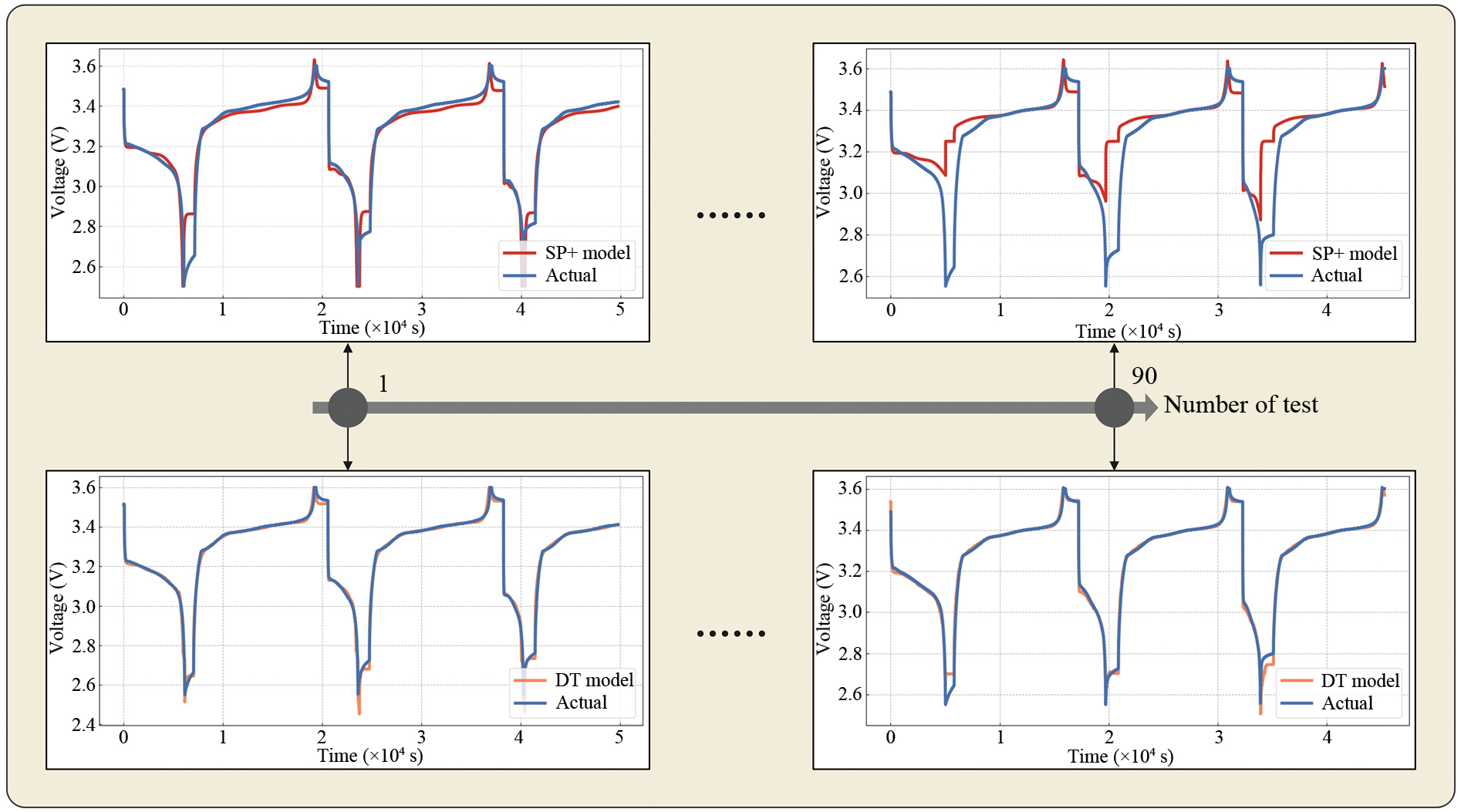
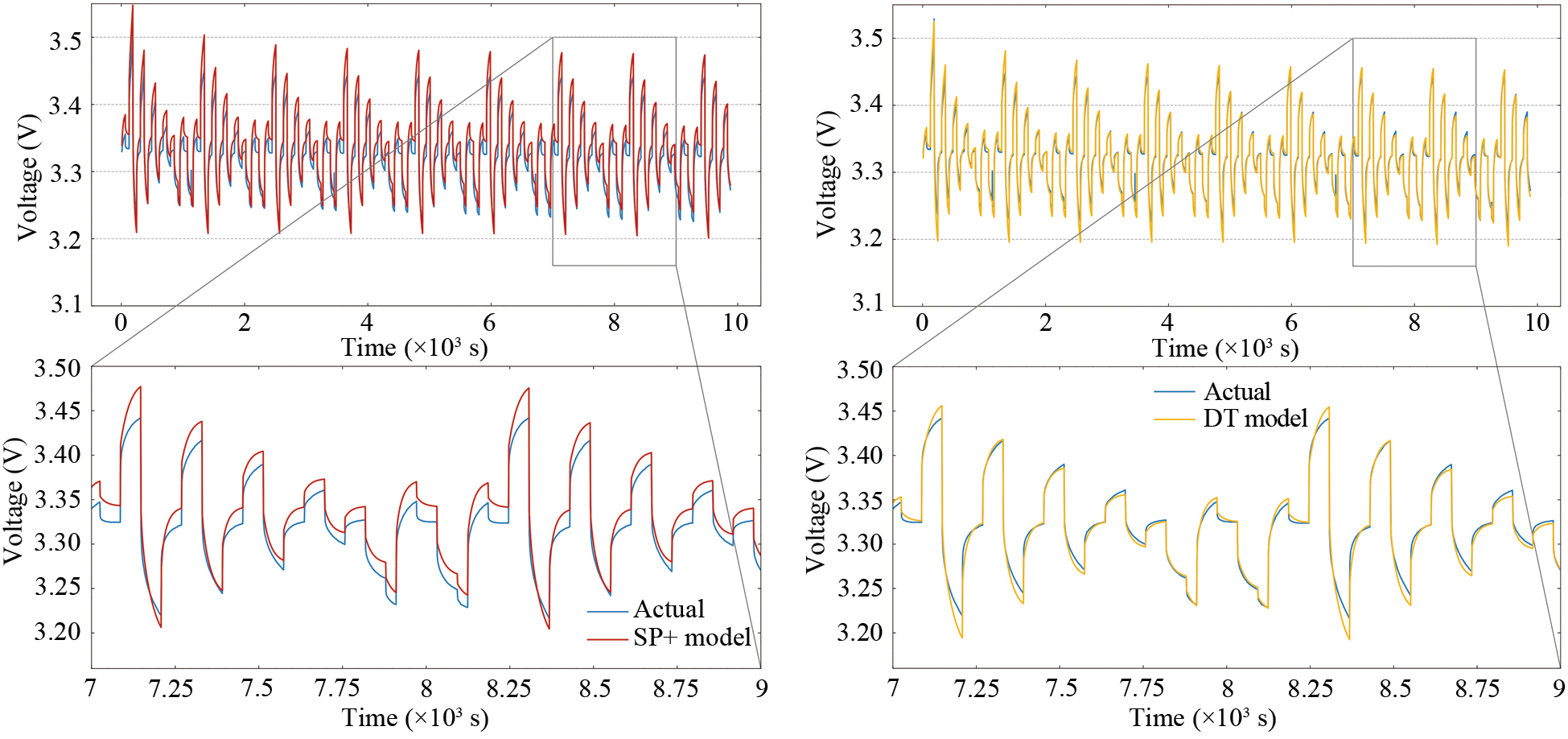
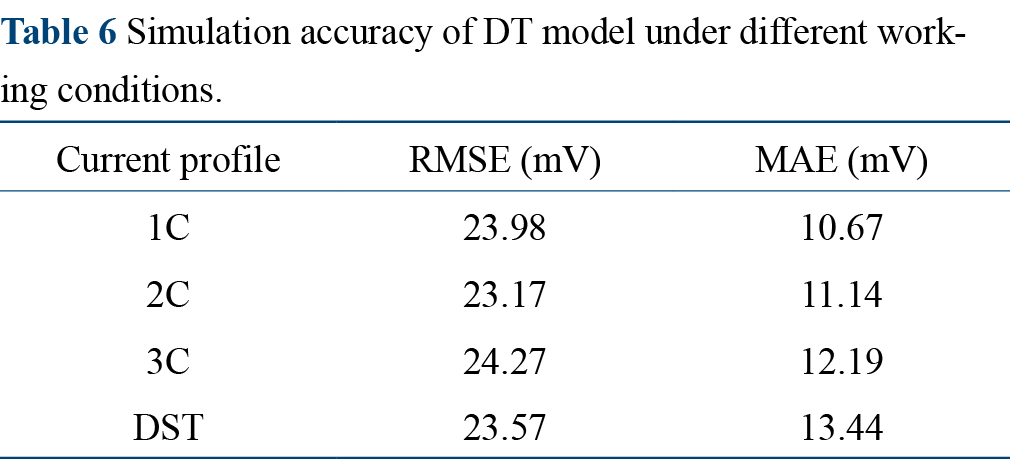
Figure 6 compares the simulation voltage curves of the SP+ and DT models under the DST condition in the 20th cycle. The DT model also demonstrates relatively higher accuracy, proving its applicability under dynamic conditions. The average errors of the DT model under different conditions are summarized in Table 5. It can be seen that under different rates and DST conditions, RMSE and MAE of the model are within 25 mV and 15 mV respectively.
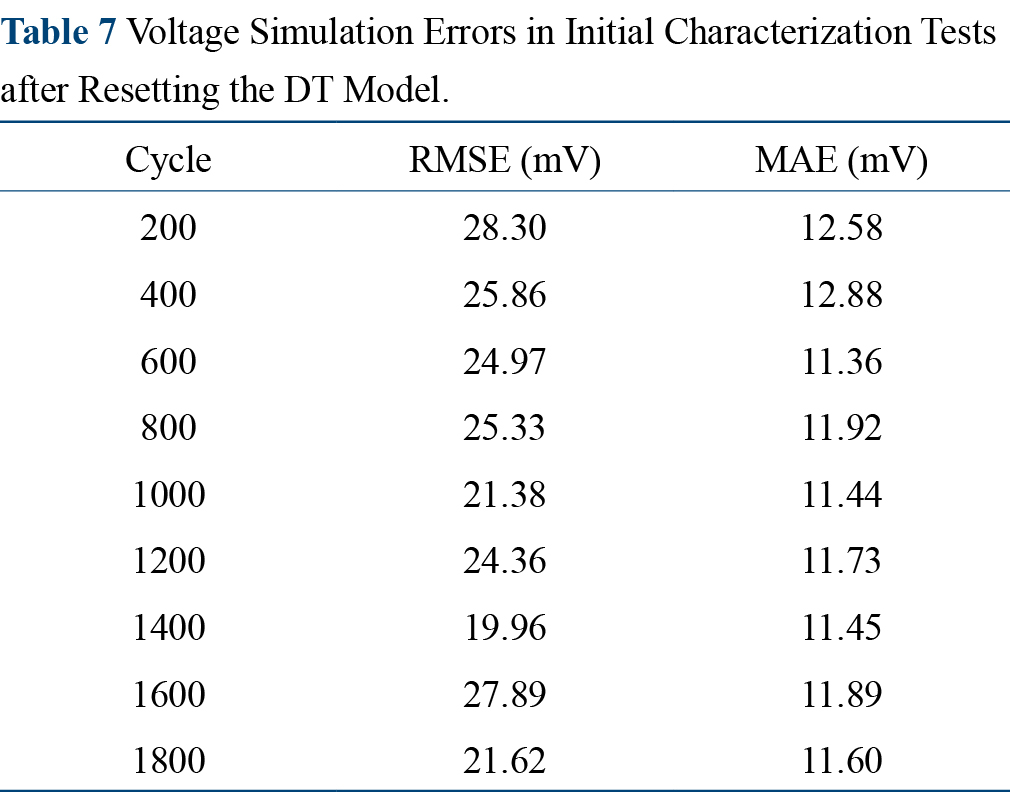
Table 6 records the first continuous charge-discharge performance simulation error after resetting the model every 200 cycles. It can be seen that the simulation accuracy of the DT model remains stable, proving that the DT model only needs a very small amount of data to quickly adapt to the current state of the battery.
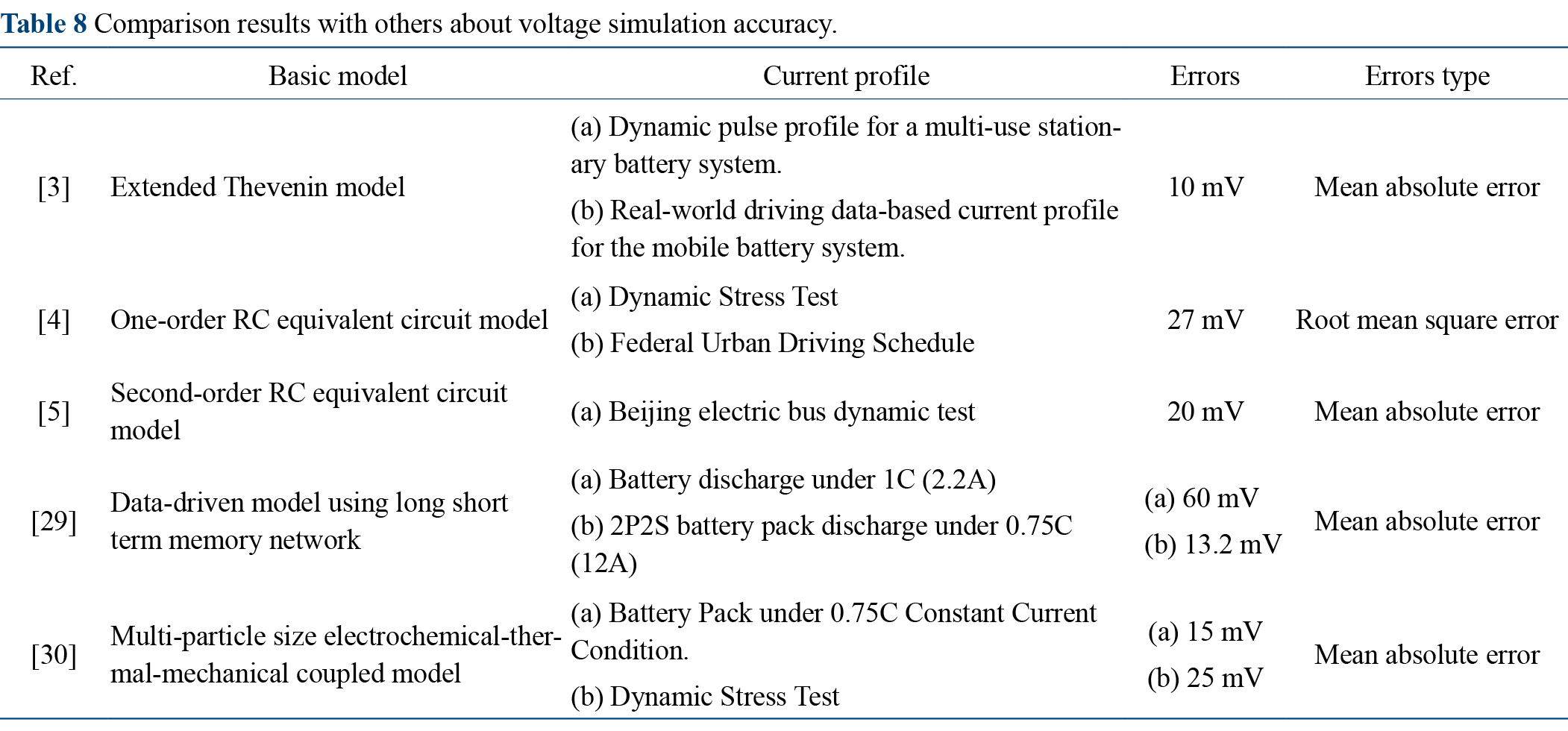
The results of comparing the simulation accuracy of this model with other DT model in terms of voltage are shown in Table 7. The developed DT model is competitive in terms of simulation accuracy compared with other DT models (Table 8). Compared with equivalent circuit or electrochemical models employed in other studies, the model can be autonomously updated, without the need for further parameter identification, thereby enhancing its practicality.
| Ref. | Basic model | Current profile | Errors | Errors type |
|---|---|---|---|---|
| [3] | Extended Thevenin model | (a) Dynamic pulse profile for a multi-use stationary battery system. (b) Real-world driving data-based current profile for the mobile battery system. | 10 mV | Mean absolute error |
| [4] | One-order RC equivalent circuit model | (a) Dynamic Stress Test (b) Federal Urban Driving Schedule | 27 mV | Root mean square error |
| [5] | Second-order RC equivalent circuit model | (a) Beijing electric bus dynamic test | 20 mV | Mean absolute error |
| [29] | Data-driven model using long short term memory network | (a) Battery discharge under 1C (2.2A) (b) 2P2S battery pack discharge under 0.75C (12A) | (a) 60 mV (b) 13.2 mV | Mean absolute error |
| [30] | Multi-particle size electrochemical-thermal-mechanical coupled model | (a) Battery Pack under 0.75C Constant Current Condition. (b) Dynamic Stress Test | (a) 15 mV (b) 25 mV | Mean absolute error |
A digital twin model integrating a simplified electrochemical model and an incremental learning algorithm Aggregated Mondrian forests was proposed. The developed model could be autonomously updated in real time by processing and learning the battery operation data from the cloud database. During the aging process of the battery, the digital twin model continuously adapted to concept drift, realizing the synchronous evolution of the model and the physical battery. The simulation results under various working conditions throughout battery full life cycle showed that the average RMSE and MAE of the model are less than 25 mV and less than 15 mV respectively, proving the stability and accuracy of the model. The ability of digital twins to quickly capture and adapt to battery conditions has also been demonstrated, making it suitable for rapid deployment in scenarios such as large-scale battery detection and retired battery cascade utilization.
However, to maintain high simulation accuracy, training the model with various operating conditions is necessary. Therefore, in the real-world usage scenarios of batteries, further research is needed to investigate the stability of the digital twin model. At the same time, more functions will be developed for the digital twin model, including fault analysis and warning, life prediction, and health management, to achieve intelligent digital management.
We thank the Shandong Province National Natural Science Foundation of China (No. ZR2023QE036) and the Natural Science Foundation of Jiangsu Province (No. BK20210600) for their financial support.
M.W. Grieves, "Virtually intelligent product systems: Digital and physical twins," Complex Systems Engineering: Theory and Practice, vol. 7, pp. 175–200, 2019.
A. Thelen, X. Zhang, O. Fink, Y. Lu, S. Ghosh, B. D. Youn, M. D. Todd, S. Mahadevan, C. Hu, and Z. Hu, "A comprehensive review of digital twin—Part 2: Roles of uncertainty quantification and optimization, a battery digital twin, and perspectives," Structural and Multidisciplinary Optimization, vol. 66, art. no. 1, 2023.
W. Li, M. Rentemeister, J. Badeda, D. Jöst, D. Schulte, and D. U. Sauer, "Digital twin for battery systems: Cloud battery management system with online state-of-charge and state-of-health estimation," Journal of Energy Storage, vol. 30, p. 101557, 2020.
Y. Wang, R. Xu, C. Zhou, X. Kang, X Kang, and Z. Chen, "Digital twin and cloud-side-end collaboration for intelligent battery management system," Journal of Manufacturing Systems, vol. 62, pp. 124–134, 2022.
H. Tang, Y. Wu, Y. Cai, F. Wang, Z. Lin, and Y. Pei, "Design of power lithium battery management system based on digital twin," Journal of Energy Storage, vol. 47, p. 103679, 2022.
J. Wu, Y. Yang, X. Cheng, H. Zuo, and Z. Cheng, "The development of digital twin technology review,"2020 Chinese Automation Congress, Shanghai, China, 2020, pp. 4901–4906.
W. Zhou, Y. Zheng, Z. Pan, and Q. Lu, "Review on the battery model and SOC estimation method," Processes, 2021, vol. 9, p. 1685, 2021.
R. R. Thakkar, Y. S. Rao, and R. R.Sawant, "Performance analysis of electrical equivalent circuit models of lithium-ion battery,"2020 IEEE Pune Section International Conference, Pune, India, 2020, pp. 103–107.
D. Deng, J. Qiao, J. Qi, et al, "Equivalent modeling and parameter identification of power lithium-ion batteries," vol. 6, pp. 95–124, 2023.
M. Doyle, T. F. Fuller, and J. Newman, "Modeling of galvanostatic charge and discharge of the lithium polymer insertion cell," Journal of The Electrochemical Society, 1993, vol. 140, pp. 1526–1533, 1993.
J. Sabatier, J. M. Francisco, F. Guillemard, L. Lavigne, M. Moze, and M. Merveillaut, "Lithium-ion batteries modeling: A simple fractional differentiation based model and its associated parameters estimation method," Signal Processing, vol. 107, pp. 290–301, 2015.
M. M. Majdabadi, S. Farhad, M. Farkhondeh, R. A. Fraser, and M. Fowler, "Simplified electrochemical multi-particle model for LiFePO4 cathodes in lithium-ion batteries," Journal of Power Sources, vol. 275, pp. 633–643, 2015.
C. Shinagawa, H. Ushiyama, and K. Yamashita, "Multiscale simulations for lithium-ion batteries: SEI film growth and capacity fading," Journal of The Electrochemical Society, 2017, vol. 164, pp. A3018–A3024, 2017.
J. Li, N. Lotfi, R. G. Landers, and J. Park. "A single particle model for lithium-ion batteries with electrolyte and stress-enhanced diffusion physics," Journal of The Electrochemical Society, vol. 164, pp. A874–A883, 2017.
D. Jiménez-Bermejo, J. Fraile-Ardanuy, S. Castaño-Solis, J. Merino, and R. Álvaro-Hermana, "Using dynamic neural networks for battery state of charge estimation in electric vehicles," Procedia Computer Science, vol. 130, pp. 533–540, 2018.
J. C. Álvarez Antón, P. J. García Nieto, C. Blanco Viejo, and J. A. V. Vilán, "Support vector machines used to estimate the battery state of charge," IEEE Transactions on Power Electronics, vol. 28, pp. 5919–5926, 2013.
M. A. Abu-Seif, A. S. Abdel-Khalik, M. S. Hamad, E. Hamdan, and N. A. Elmalhy, "Data-driven modeling for Li-ion battery using dynamic mode decomposition," Alexandria Engineering Journal, vol. 61, pp. 11277–11290, 2022.
S. Li, H. He, and J. Li, "Big data driven lithium-ion battery modeling method based on SDAE-ELM algorithm and data pre-processing technology," Applied Energy, vol. 242, pp. 1259–1273, 2019.
M. Aykol1, C. B. Gopal1, A. Anapolsky1, P. K. Herring, B. van Vlijmen, M. D. Berliner, M. Z. Bazant, R. D. Braatz, William, C. Chueh, and B. D. Storey, "Perspective—Combining physics and machine learning to predict battery lifetime," Journal of The Electrochemical Society, vol. 168, p. 030525, 2021.
D. P. Finegan, J. Zhu, X. Feng, M. Keyser, M. Ulmefors, W. Li, M. Z. Bazant, and S. J. Cooper, "The application of data-driven methods and physics-based learning for improving battery safety," Joule, vol. 5, pp. 316–329, 2021.
F. Feng, S. Teng, K. Liu, J. Xie, Y. Xie, B. Liu, and K. Li, "Co-estimation of lithium-ion battery state of charge and state of temperature based on a hybrid electrochemical-thermal-neural-network model," Journal of Power Sources, vol. 455, p. 227935, 2020.
H. Tu, S. Moura, Y. Wang, and H. Fang, "Integrating physics-based modeling with machine learning for lithium-ion batteries," Applied Energy, 2023, vol. 329, p. 120289, 2023.
G. M. van de Ven, T. Tuytelaars, and A. S. Tolias, "Three types of incremental learning," Nature Machine Intelligence, vol. 4, pp. 1185–1197, 2022.
G. Widmer and M. Kubat, "Learning in the presence of concept drift and hidden contexts," Machine Learning, vol. 23, pp. 69–101, 1996.
J. Lu, A. Liu, F. Dong, F. Gu, J. Gama, and G. Zhang, "Learning under concept drift: A review," IEEE Transactions on Knowledge and Data Engineering, vol. 31, pp. 2346–2363, 2019.
J. Li, L. Wang, C. Lyu, E. Liu, Y. Xing, and M. Pecht, "A parameter estimation method for a simplified electrochemical model for Li-ion batteries," Electrochimica Acta, vol. 275, pp. 50–58, 2018.
J. Mourtada, S. Gaïffas, and E. Scornet, "AMF: Aggregated Mondrian forests for online learning," Journal of the Royal Statistical Society Series B: Statistical Methodology, vol. 83, pp. 505–533, 2021.
B. Lakshminarayanan, D. M. Roy, and Y. W. Teh, "Mondrian forests: Efficient online random forests,"in Proceedings of the 27 th International Conference on Neural Information Processing Systems, 2014, pp. 3140–3148.
X. Qu, Y. Song, D. Liu, X. Cui, and Y. Peng, "Lithium-ion battery performance degradation evaluation in dynamic operating conditions based on a digital twin model," Microelectronics Reliability, vol. 114, p. 113857, 2020.
C. Lyu, S. Xu, J. Li, and M. Pecht, "Digital twin modeling method for lithium-ion batteries based on data-mechanism fusion driving," Green Energy and Intelligent Transportation, in press, 2024, doi 10.1016/j.geits.2024.100162.
 Top